The Outdoor Apothecary is reader-supported. When you buy through links on our site, we may earn an affiliate commission. Learn more
Discover the healing magic of self-heal oxymel—a simple, witchy herbal remedy made with Prunella vulgaris, raw honey, and apple cider vinegar.
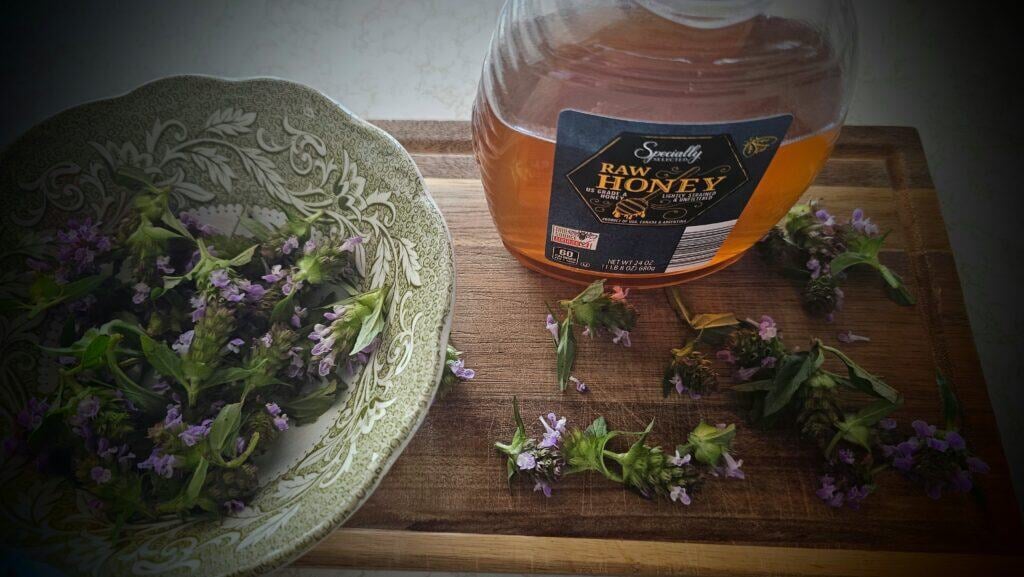
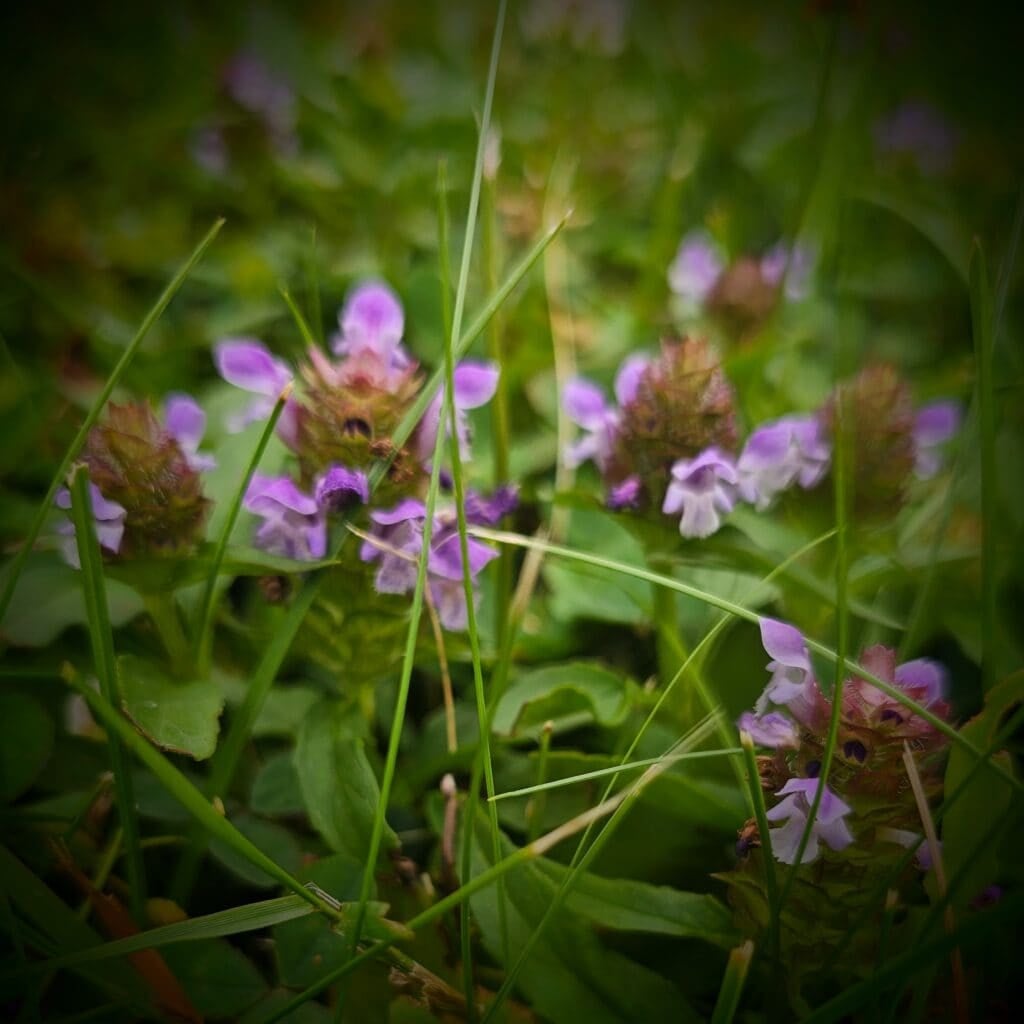
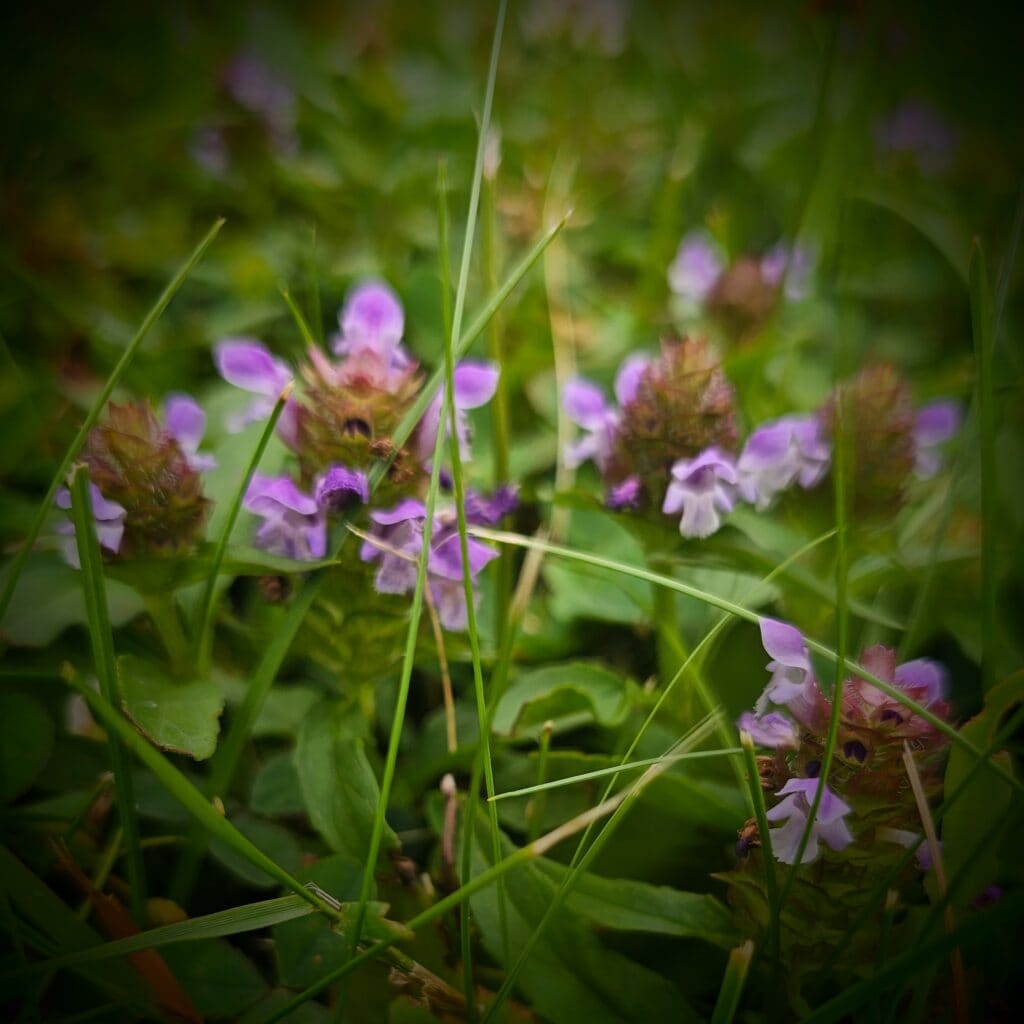
Every summer, when the purple blossoms of Prunella vulgaris—more affectionately known as self-heal or woundwort—start peeking up from the lawn edges and shaded forest paths, I gather this lovely little herb with gratitude.
In herbal folklore, self-heal was believed to be a gift from the fae, growing wherever humans had forgotten their own power to heal. That folklore still rings true to me. I always think of the fae when I pick this plant, and it never fails to make me smile—like a little wink from the unseen world, reminding me that magic and medicine often grow right under our feet.
Today, I want to share one of my favorite herbal oxymel recipes using this magical plant—a self-heal oxymel infused with the spiritual intention of healing and self-trust. This sweet-and-sour elixir is simple to craft, deeply nourishing, and has both real-world health benefits and mystical charm.
What Is an Oxymel?
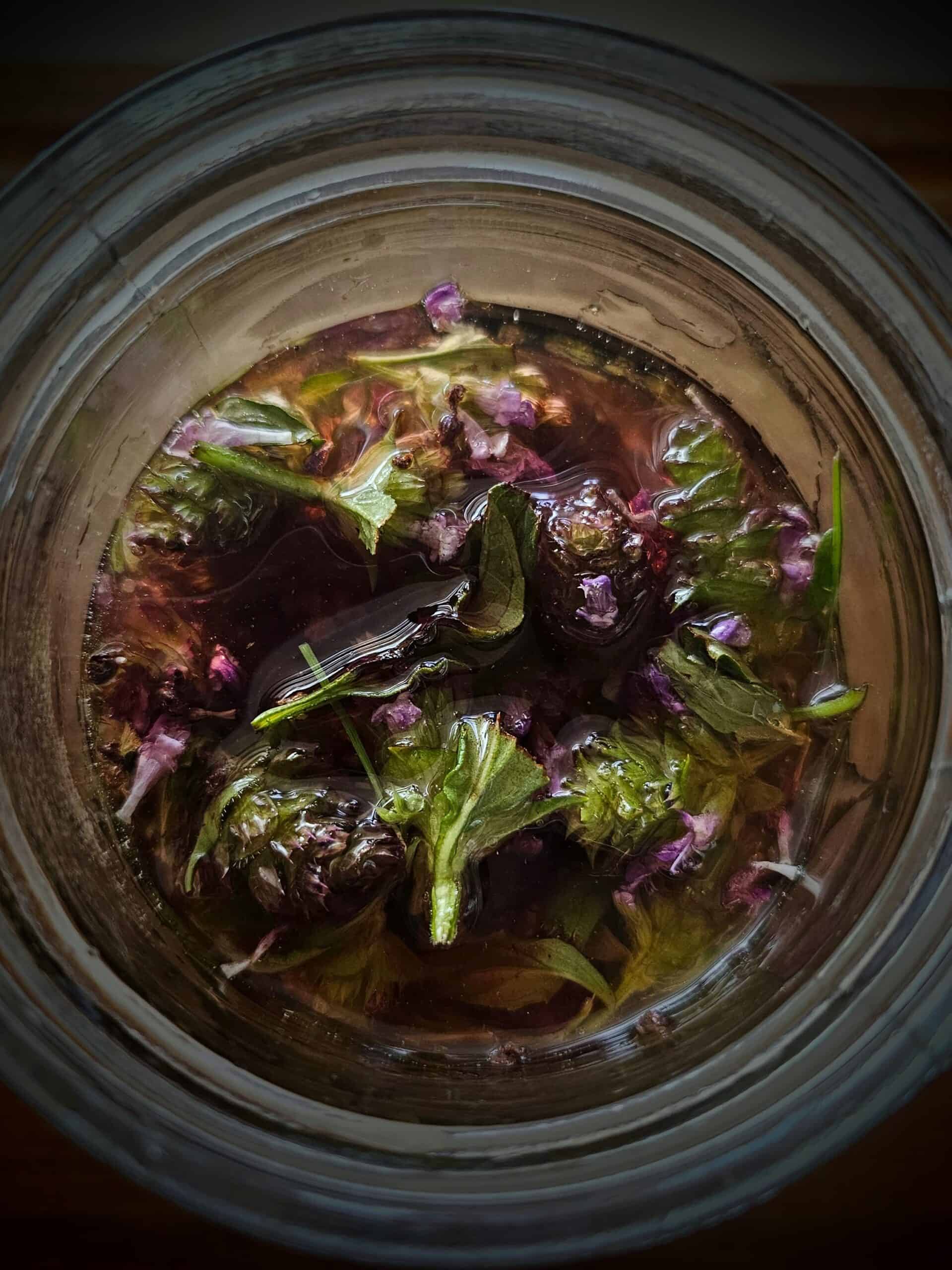
An oxymel is an ancient herbal preparation that blends raw honey and apple cider vinegar to extract the medicinal properties of herbs. The word comes from the Greek “oxymeli,” meaning “acid and honey.” Traditionally, herbalists used oxymels to preserve plant medicines, soothe sore throats, support digestion, and deliver nutrients in a liquid form that’s easy to take and pleasant in taste.
They’re a gentler cousin to fire cider, often made with more delicate herbs like chamomile, sage, lemon balm, and in this case, self-heal.

Why I Say Self-heal is a witchy herb
1. It Grows Where Healing Is Needed
There’s an old belief that self-heal (Prunella vulgaris) appears wherever people have forgotten how to care for themselves. That alone gives it a mystical aura. In folk tradition, plants that “know” where to grow are seen as messengers—gifts from the spirit realm or the fae. Herbalists and wise women of the past often followed these signs, trusting that nature reveals the medicine we need. That’s the essence of witchcraft: being in relationship with the natural world and reading its signs.
2. It’s Tied to the Throat Chakra
Self-heal is especially useful for sore throats, swollen glands, and anything around the neck and voice. Spiritually, that links it to the throat chakra, which governs truth-telling, communication, and personal power. Witches throughout history have used herbs to support both physical and energetic balance, and self-heal helps us speak clearly, ask for what we need, and honor our voice.
3. It’s an Ally for Energy Work and Protection
In magical herbalism, self-heal is sometimes used in protection spells, healing rituals, and bath blends meant to restore the aura or ward off negativity. It’s a gentle protector—perfect for empaths and energy-sensitive folks. It’s not flashy magic; it’s quiet, deep, and enduring.
4. It’s a Lawn “Weed” with Hidden Power
There’s something inherently witchy about reclaiming so-called weeds as powerful medicine. Self-heal hides in plain sight, like many of the best allies in the witch’s cabinet. Its power isn’t in drama—it’s in the way it supports our body’s natural ability to repair and renew. That quiet strength is deeply magical.
5. It’s Been Used by Folk Healers and Cunning Women for Centuries
Known by names like woundwort, carpenter’s herb, and heart-of-the-earth, self-heal has long been part of the herbal remedies passed down through oral tradition. Its history is entwined with the women (and men) who practiced healing arts on the margins—what many would call witchcraft.

Magical and Healing Properties of Self-Heal
Self-heal is a perennial in the mint family, growing low to the ground with square stems and violet-colored leaves and flowering heads. It’s long been associated with the throat chakra, making it a beautiful ally for speaking your truth or recovering after harsh words.
In traditional folk magic, self-heal was used in spells for:
Healing emotional wounds
Strengthening intuition
Protection and warding
Reclaiming inner power
It’s no surprise this herb often makes its way into witchy healing brews, salads, tinctures, and salves.
Ingredients for Self-Heal Oxymel
To craft self-heal oxymel, you’ll need just a few ingredients—all easy to find or forage:
Fresh or dried self-heal (flowers, leaves, and upper stems)
Raw, local honey
Organic apple cider vinegar (with the mother)
Optional: a sprig of sage, a slice of ginger, or a dash of cinnamon for extra magic and synergy
You’ll also need:
A clean jar (pint or quart)
A lid (plastic, or use a piece of parchment paper under a metal canning lid to avoid corrosion)
Labels (because witchy kitchen shelves should be beautiful and functional)
If you don’t have access to local or homegrown herbs, I highly recommend purchasing them from Mountain Rose Herbs. They are my favorite place to buy high-quality, organic dried herbs and herbal products. As a company they believe in people, plants, and planet over profit and only ever source their herbs ethically and sustainably. It is through this ethical, responsible sourcing, that they are able to offer one of the largest selections of certified organic herbs, spices, and botanicals in North America.
How to Make Self-heal Oxymel
- Harvest or source your fresh self-heal (or use dried if out of season). If fresh, gently wilt the herb for a few hours to remove excess moisture.
- Chop or tear the herb to expose its surface. Fill your jar halfway with the self-heal.
- Add your optional herbal allies—sage for clarity, ginger for fiery courage, or cinnamon for warmth and sweetness.
- Pour in apple cider vinegar to cover the herbs, then add raw honey until the ratio is about 1 part honey to 1 part vinegar (adjust to taste).
- Cap with your lid and shake gently to combine.
- Store in a cool place, shaking daily for a couple of weeks. Let it infuse for 2–4 weeks.
- Strain through a fine mesh or cheesecloth, pressing out every last drop of the mixture.
- Bottle and label your self-heal oxymel. Keep it in a cool pantry or fridge for a longer shelf life.

How to Use Self-Heal Oxymel
Self-heal oxymel is a versatile addition to your apothecary. Here are a few easy ways to incorporate it into your health routine:
Take 1 tsp–1 Tbsp daily for immune support
Use during cold season for sore throats
Add to sparkling water for a healing herbal shrub
Use as a salad dressing over bitter greens
Mix into cocktails or herbal mocktails
Blend into warm water as a ritual tonic before meditation
You can even use a few drops topically in wound care rituals or anoint candles with it for spells centered on healing, boundaries, or personal sovereignty.
A Final Witchy Note
As with all herbal remedies, set an intention as you make your self-heal oxymel. I like to whisper to the herbs, thank them, and infuse my brew with healing light. Self-heal reminds us that we carry our medicine within, and this simple oxymel is a way to honor that.


More to Explore
Looking to deepen your connection with healing herbs and traditional plant wisdom? Here are more articles to inspire your journey:
My Love Affair With Herbal Oxymels – An engaging exploration of herbal oxymels: how they’re made, why they’re beloved by herbalists, and how they can soothe respiratory, digestive, and immune concerns.
White Pine Oxymel: Benefits and Easy Recipe – A nourishing autumn/winter elixir using white pine needles, perfect for immune support, respiratory ease, and seasonal ritual.
Mugwort Oxymel: Folklore, Benefits, and a Simple Recipe – Explore the dream-enhancing magic of mugwort, paired with calming herbs like chamomile and lemon balm in a relaxing oxymel.
Discovering the Magic of Bee Balm Oxymel – A bright and aromatic oxymel made with bee balm, celebrated for supporting sore throats, immunity, and pollinator-attracting herbal energy.
Lemon Balm and Ginger Oxymel: The Perfect Ingredient for Summer Drinks – A delightful citrusy elixir blending lemon balm and ginger for cooling refreshment and soothing digestive support.
10 Immune-Boosting Herbs – Support your body naturally with these time-tested herbs for wellness throughout the seasons.
Solomon’s Seal Root Medicine – Explore the traditional uses, benefits, and folklore of this revered root used by generations of herbalists.
Don't Forget to Subscribe to Our Newsletter

Are you passionate about connecting with nature and exploring the world of herbal remedies? Join our community by subscribing to our weekly newsletter! As a subscriber, you’ll gain exclusive access to our members-only freebie and resource library, packed with valuable guides, recipes, and tips for living a more natural and sustainable lifestyle, closer to nature. Plus, you’ll gain access to our Freebie & Resource Library full of exclusive content for subscribers only.
Disclaimer:
The Outdoor Apothecary website is intended for informational purposes only and should not be considered a substitute for professional medical advice. The information provided is not intended to diagnose, treat, cure, or prevent any disease. While we strive to provide accurate and up-to-date information, it is the reader’s responsibility to ensure proper plant identification and usage.
Please be aware that some plants are poisonous or can have serious adverse health effects. We are not health professionals, medical doctors, or nutritionists. It is essential to consult with qualified professionals for verification of nutritional information, health benefits, and any potential risks associated with edible and medicinal plants mentioned on this website.

Definitely going to try this, I have a ton of self-heal on my property.