
The Outdoor Apothecary is reader-supported. When you buy through links on our site, we may earn an affiliate commission. Learn more
the Magic Behind Mugwort Oxymel
As a bioregional herbalist, few herbs speak to my soul the way mugwort does. I love mugwort for its many uses—from dreamwork to digestion—but even more so for the folklore and magical energy it carries. This silvery, aromatic herb has long been revered as a plant of vision, mystery, and protection. It’s one of those timeless allies that connects us to ancestral wisdom and the wild edges of our own intuition.
One of my favorite ways to preserve mugwort’s medicine is by crafting a mugwort oxymel—a sweet, tangy herbal tonic made with vinegar and honey. In this version, I’ve added lemon balm, chamomile, and valerian root to create a deeply relaxing blend that supports the nervous system, digestion, and restful sleep. This is one of those remedies I reach for during times of transition, stress, or seasonal shifts—when a little extra grounding goes a long way.
Related Post: Bioregional Herbalism and 8 Effective Ways To Practice
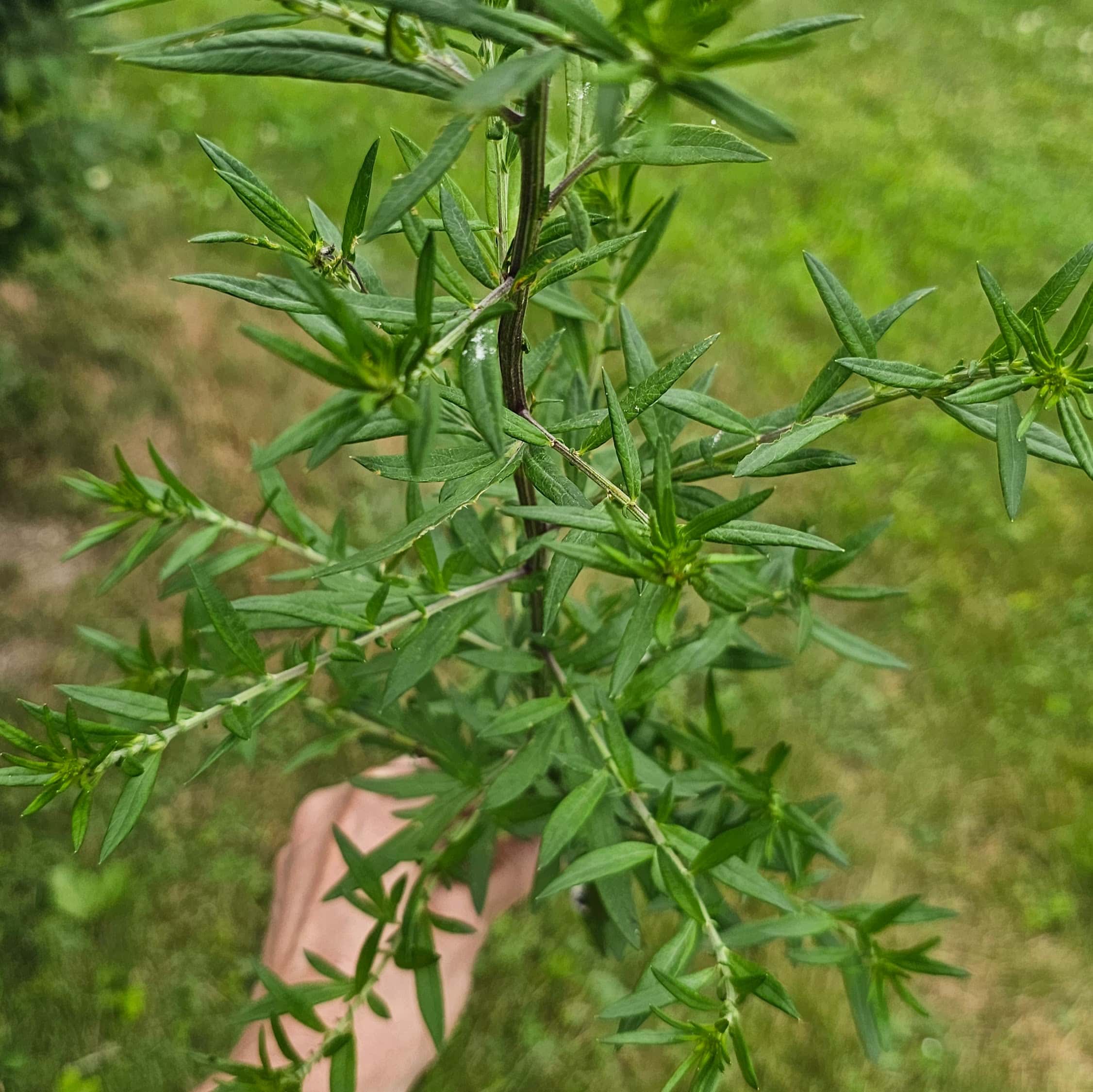
What Is a Mugwort Oxymel?
A mugwort oxymel is an herbal remedy made by steeping mugwort and other herbs in a mixture of raw apple cider vinegar and honey. The word oxymel means “acid and honey” and dates back to ancient Greek medicine. It’s a beautiful way to extract both the mineral content and energetics of the herbs.
In this blend, we’re combining the bitter magic of mugwort with:
-
Lemon balm for uplift and calm
-
Chamomile for soothing and gentle sleep support
-
Valerian for deep nervous system relaxation
This mugwort oxymel is a bright, aromatic tonic—perfect for sipping when you’re looking to refresh both body and spirit.

The Folklore and Magic of Mugwort
Mugwort has been used for centuries in rituals, ceremonies, and folk medicine. Traditionally burned as incense or tucked into protective charms, mugwort was believed to guard against harm, enhance dreams, and awaken inner vision. In many cultures, it was called a “dream herb” and placed under pillows to encourage vivid dreams and spiritual messages.
Mugwort reminds us that healing isn’t just physical—it’s energetic, emotional, and intuitive. When blended into an oxymel, especially with herbs like lemon balm and chamomile, it becomes a deeply nourishing remedy for body and soul.
Related post: Mugwort Spiritual Uses in Rituals and Healing
Herbal Benefits of Mugwort Oxymel
This blend brings together several powerful nervines and digestive allies. Here’s what each herb offers:
🌿 Mugwort (Artemisia vulgaris) – Bitter, warming, and aromatic. Supports digestion, eases cramping, and opens the mind to dreams and intuition.
🌿 Lemon Balm (Melissa officinalis) – Bright, lemony, and uplifting. A favorite for easing stress, lifting mood, and calming the heart.
🌼 Chamomile (Matricaria recutita) – Gently relaxing and anti-inflammatory. Soothes both the digestive and nervous systems.
🌿 Valerian Root (Valeriana officinalis) – Deeply sedative and grounding. Helps with sleep, muscle tension, and emotional overwhelm.
🍎 Apple Cider Vinegar – Oxygen-rich, mineralizing, and digestive-supportive. Helps extract the herbal constituents and preserve the blend.
🍯 Raw Honey – Sweet, antimicrobial, and harmonizing. Balances the sharpness of the vinegar and offers soothing energy.
If you don’t have access to local or homegrown herbs, I highly recommend purchasing them from Mountain Rose Herbs. They are my favorite place to buy high-quality, organic dried herbs and herbal products. As a company they believe in people, plants, and planet over profit and only ever source their herbs ethically and sustainably. It is through this ethical, responsible sourcing, that they are able to offer one of the largest selections of certified organic herbs, spices, and botanicals in North America.
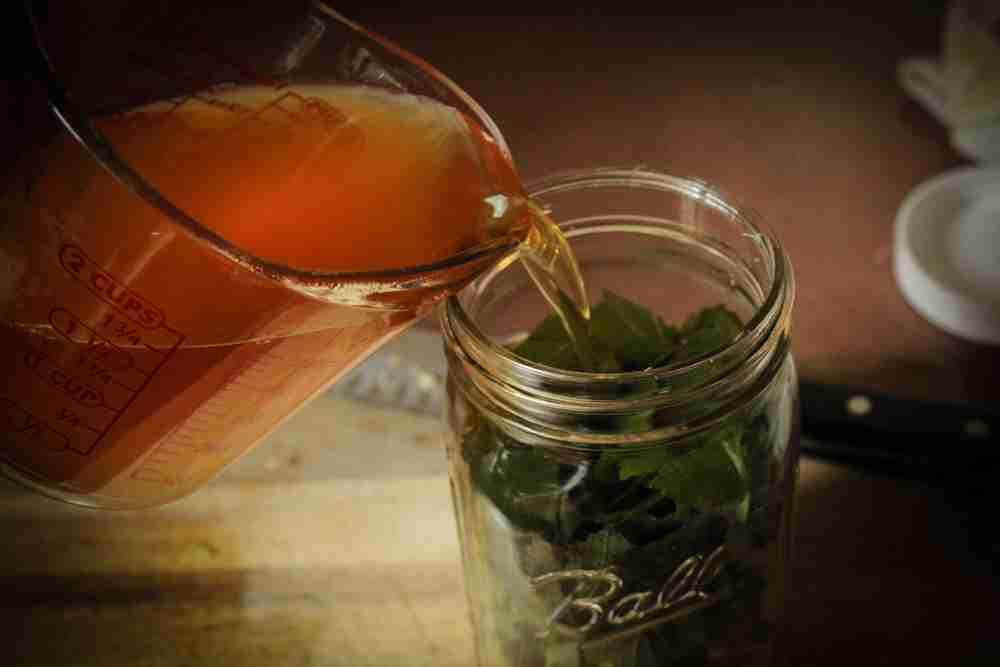
Recipe: Relaxing Mugwort Oxymel
Ingredients:
-
1/4 cup dried mugwort
-
1/4 cup dried lemon balm
-
1/4 cup dried chamomile
-
1/8 cup dried valerian root
-
1 cup raw apple cider vinegar
-
1 cup local raw honey (adjust to taste)
Instructions:
-
Add all the dried herbs to a clean pint-sized jar.
-
Pour in the apple cider vinegar and honey. Stir gently with a wooden or plastic utensil to combine.
-
Make sure all the herbs are fully submerged. (You can add a little more vinegar if needed.)
-
Cover with a non-metal lid or place parchment paper between the jar and a metal lid to prevent corrosion.
-
Label and let sit in a cool, dark place for 3–4 weeks, shaking daily.
-
Strain through cheesecloth or a fine mesh strainer into a clean bottle or jar.
-
Store in a cool pantry or refrigerator. Use within 6–12 months.
How to Use Mugwort Oxymel
I personally enjoy sipping mugwort oxymel in a little warm water, especially in the evening when I’m looking to unwind. Sometimes I drizzle a bit into a mocktail for a grounding herbal twist, or take a spoonful straight when I’m connecting with the energy of the season.
🌙 In the evening – I add a splash to warm water about an hour before bed to help me shift into rest mode.
🌿 Before meals – I sometimes sip a little before eating as part of my mindful mealtime ritual.
💧 Energetically – I love using it during new moon rituals, dream journaling, or when I’m setting intentions and working with intuition.
Final Thoughts
For me, mugwort represents the thin veil between the seen and unseen. Crafting this mugwort oxymel feels like weaving together the practical and the mystical—offering comfort for the body and nourishment for the soul.
If you’re drawn to herbal folklore and seasonal living, this is a wonderful addition to your home apothecary. And if mugwort grows abundantly where you live, consider it an invitation: this plant has something to teach you.
Let me know if you make this blend—and what it opens up for you.

More to Explore:
Curious to expand your herbal knowledge and connect more deeply with plants and the seasons? These handpicked articles will help you keep building your apothecary and deepen your relationship with the plants around you.
- How to Make Herbal Oxymels
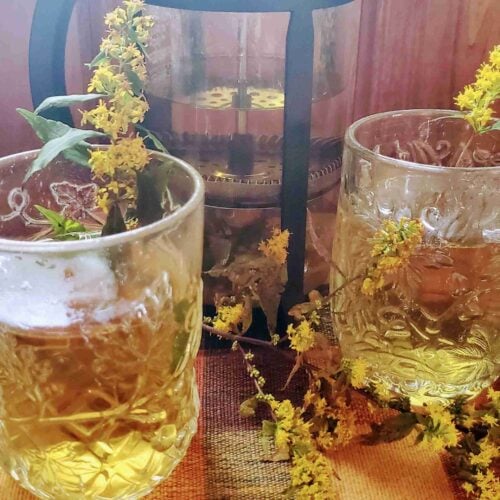
- Goldenrod Tea: Seasonal Support for Late Summer
- Amazing White Clover Benefits for Health and Garden
- Discover the Magic of Seasonal Living with Wild Seasons Workbooks
- Witch’s Herbs for Autumn: 6 Magical Allies
Let the plants guide you, one remedy at a time. 🌿
Don't Forget to Subscribe to Our Newsletter

Are you passionate about connecting with nature and exploring the world of herbal remedies? Join our community by subscribing to our weekly newsletter! As a subscriber, you’ll gain exclusive access to our members-only freebie and resource library, packed with valuable guides, recipes, and tips for living a more natural and sustainable lifestyle, closer to nature. Plus, you’ll gain access to our Freebie & Resource Library full of exclusive content for subscribers only.
Disclaimer:
The Outdoor Apothecary website is intended for informational purposes only and should not be considered a substitute for professional medical advice. The information provided is not intended to diagnose, treat, cure, or prevent any disease. While we strive to provide accurate and up-to-date information, it is the reader’s responsibility to ensure proper plant identification and usage.
Please be aware that some plants are poisonous or can have serious adverse health effects. We are not health professionals, medical doctors, or nutritionists. It is essential to consult with qualified professionals for verification of nutritional information, health benefits, and any potential risks associated with edible and medicinal plants mentioned on this website.
