The Outdoor Apothecary is reader-supported. When you buy through links on our site, we may earn an affiliate commission. Learn more
There’s a stretch every year, from late July through mid-September, when the sumac along tree lines turn from green to that deep, rusty red. The cone-shaped berry clusters stand straight up like little torches at the end of each branch, and I know it’s time to go gather for this year’s batch of sumac to dry for wild sumac spice blend.
This year that moment feels a little different. We recently moved onto a historic property built in 1790, and one of the first things I noticed walking the land was sumac growing along the old stone walls, at the edge of the fields, tucked in near the tree line.
The land was originally purchased from Chief Uncas, and long before any deed existed, Indigenous people throughout this region likely gathered and used sumac much the same way I’m about to show you. As a Nipmuck woman and tribal leader, that history feels close to me every time I walk this property. I’m still getting to know every corner of it, but the sumac was one of the first plants to introduce itself.
Sumac is one of those plants that gets overlooked. People drive past it every day without knowing it’s food. But this native shrub has been used for centuries, both as a wild seasoning and as medicine, and it’s one of the easiest and safest wild edibles to start with once you know what you’re looking for.
Identifying Sumac (and Ruling Out the One to Avoid)
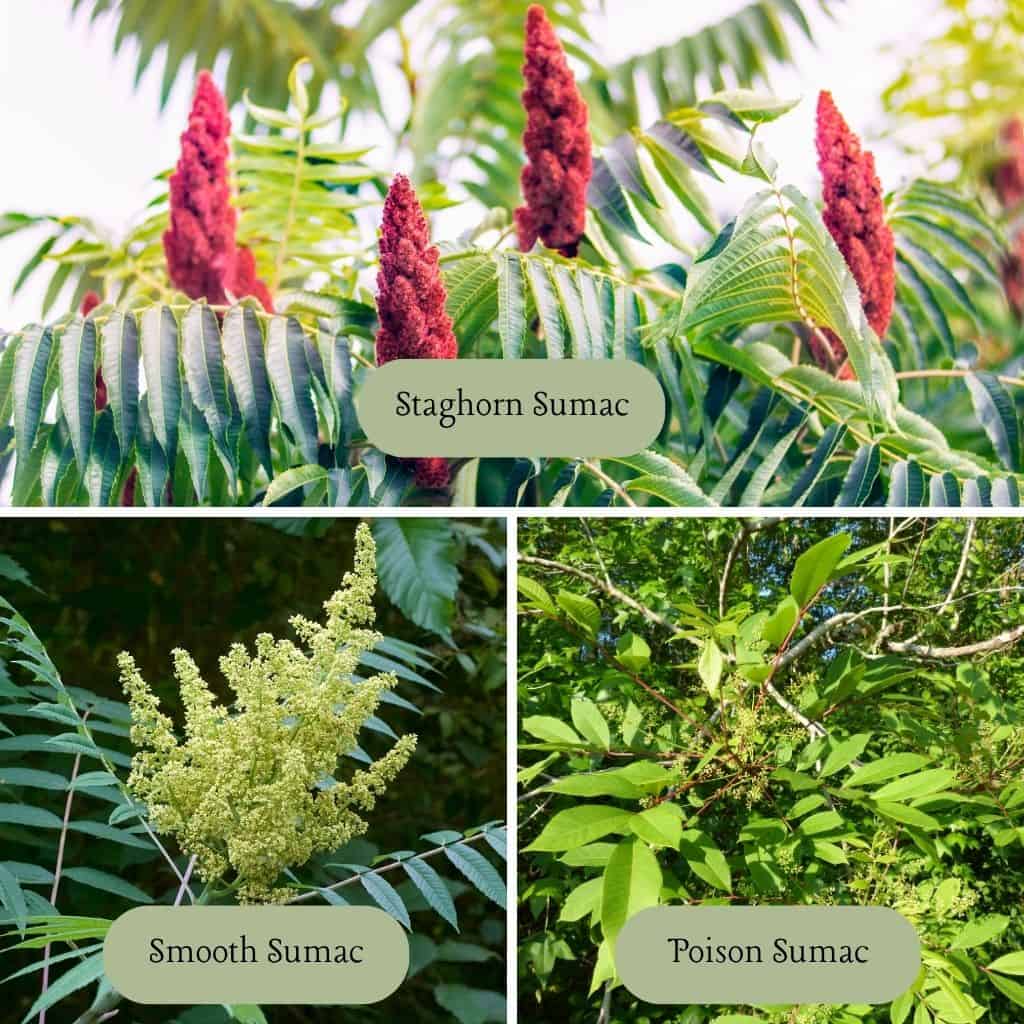
The sumac you want is staghorn sumac (Rhus typhina) or smooth sumac (Rhus glabra). Both grow as large shrubs or small trees, often in colonies along field edges, roadsides, and forest margins which is exactly the kind of scrubby, in-between habitat we have a lot of here in eastern Connecticut.
Here’s what to look for:
- Compound leaves with 11–31 toothed leaflets arranged in pairs along a central stem
- Fuzzy, velvet-like branches on staghorn sumac (this is where the name comes from because it really does look like antler velvet)
- Upright, cone-shaped clusters of red berries, called drupes, sitting at the very top of the branches
This upright red cluster is the detail that matters most, because it’s what separates our sumac from poison sumac (Toxicodendron vernix). Poison sumac grows almost exclusively in wet, swampy ground, and its berries are white or pale green and hang downward in loose, drooping clusters, the opposite shape entirely.
If you’re standing in a dry field or along a sunny roadside looking at red berries reaching up toward the sky, you’re almost certainly looking at the kind of sumac you want for a good sumac spice blend. When in doubt, skip it, but the upright-red versus drooping-white distinction is a reliable one once you’ve seen both in person.
When and How to Harvest
Late July through mid-September is prime time, right up until the first good rain washes the tangy coating off the berries. That sour flavor comes from malic acid on the outside of each little drupe, and it’s the whole reason we’re harvesting it and it’s what gives your finished sumac spice blend that bright, tart edge.
I look for clusters that are deep red, fuzzy, and still slightly sticky or tacky to the touch. If you taste one and get that bright, lemony sourness, it’s ready. If it tastes flat or the color has faded to brown, the rain likely got to it first — leave it for the birds.
To harvest, I simply snap the whole cluster off at its stem. No need to take every cluster from a shrub, I leave plenty behind for wildlife and for the sumac herself to keep going next year. This is one of the easiest reciprocity practices in foraging: take what you need, leave the rest, and the colony keeps giving for years.
On this new land, I’ve been trying to slow down and get to know each plant before I harvest it. This feels like a small way of introducing myself to the property, one plant at a time.
Drying
Spread the clusters on a screen or baking sheet in a single layer and let them air dry somewhere with good airflow for about a week. You’ll know they’re ready when the berries feel dry and slightly brittle rather than sticky.
If you have a dehydrator, that works well too, and it’s a good option if humidity is high or rain is in the forecast. Set it low, around 95–115°F, and dry for 4–8 hours depending on how much moisture the clusters had when you picked them. You can dehydrate the clusters whole and rub the berries off once they’re fully dry, or strip the berries from the stems first for faster, more even drying. This is my preferred method.
Making a Simple Wild Sumac Spice Blend
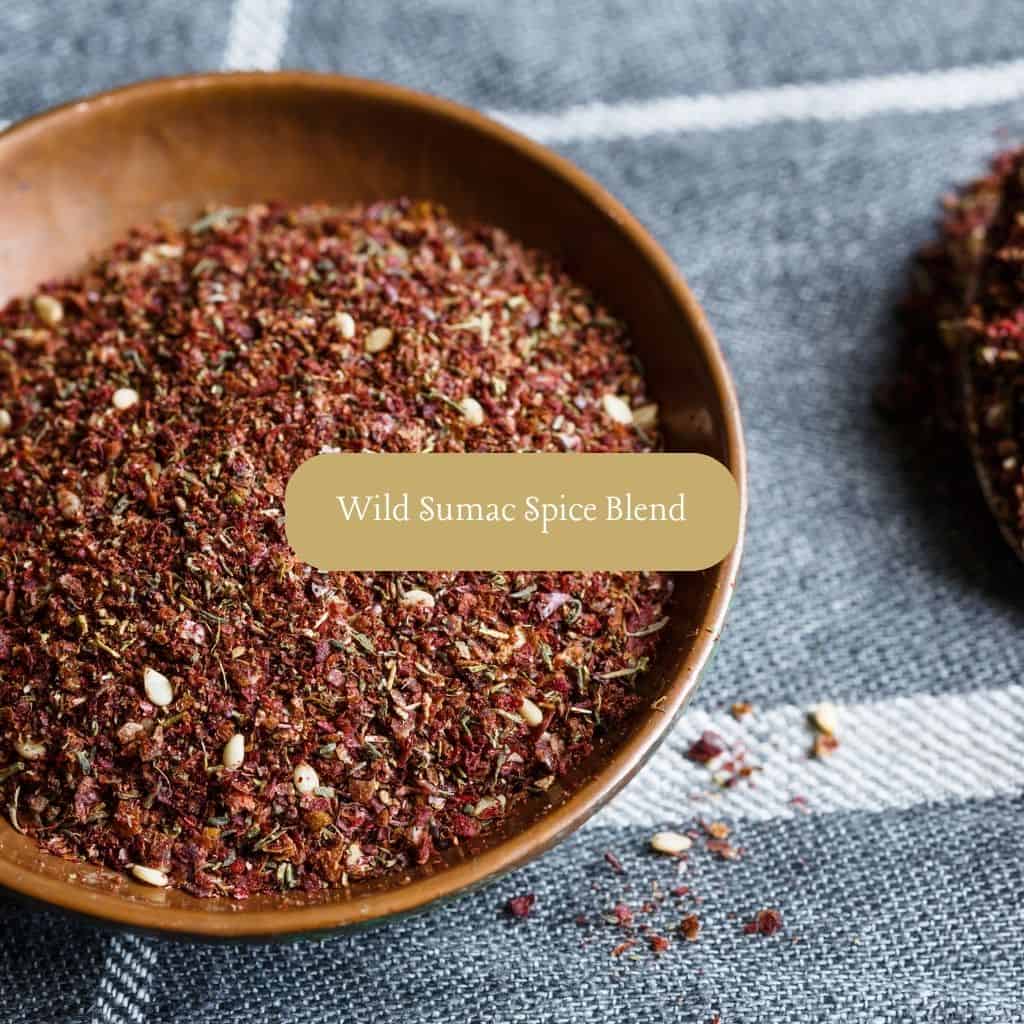
Once dried, the real magic happens. Here’s the sumac spice blend I keep in my kitchen all through fall and winter:
Wild Sumac Spice Blend
- 3 tablespoons dried sumac berries, rubbed off the stem
- 2 tablespoons toasted sesame seeds
- 1 tablespoon dried thyme (or wild bee balm/oregano if you have it)
- 1 teaspoon coarse salt
- ½ teaspoon dried marjoram or savory (optional)
To process the berries, rub them between your palms over a bowl to knock the red coating loose from the woody core, then run everything through a spice grinder or mortar and pestle until it’s a coarse, grainy texture. Strain out any tough stem bits.
I use this wild sumac spice blend the way you’d use za’atar, a Middle Eastern spice blend that traditionally combines dried sumac, sesame seeds, and herbs like thyme or oregano in that same tart, savory way.
If you’ve never had za’atar, think of it as sumac’s original spice-blend cousin, and this wild version follows the same basic formula using what’s growing right outside my door. Sprinkle it over roasted vegetables, whisk it into olive oil for bread dipping, or rub it onto chicken before roasting. The flavor is tart and a little fruity, somewhere between lemon zest and cranberry, and it’s become one of my favorite ways to bring a taste of September into meals well into the colder months.
A Quiet Note to End On
Sumac isn’t glamorous. It’s the plant everyone calls a weed tree, growing in the ditches and disturbed edges most of us walk past without a second look. But that’s exactly what I love about foraging because it teaches you to see abundance in the places you’d otherwise overlook.

More to Explore
If you enjoyed foraging sumac for wild sumac spice blend, here are a few more wild plants and recipes to try this season:
- Amazing American Elderberry: Identifying, Harvesting, Preparation, and Uses
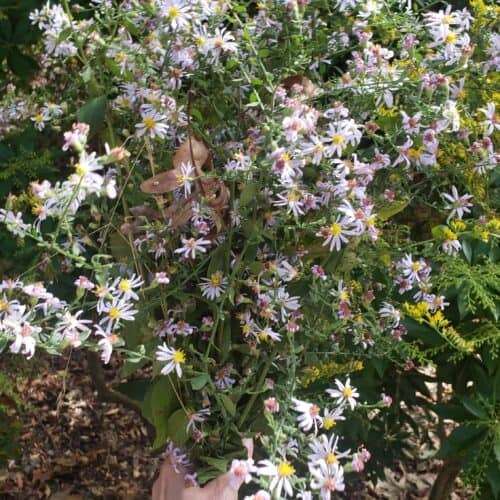
- New England Aster Plants: Identification, Uses, and Medicinal Benefits
- Goldenrod Tea: The Magic of a Joyful Ritual
- Foraging Wineberries: Sweet Finds & Invasive Realities On My New Land
- Autumn Olive Berries: An Amazing Superfood
- Wild Harvesting – 5 Easy to Find Fall Edibles
- 70 Wild Plants You Didn’t Know You Could Eat
Don't Forget to Subscribe to Our Newsletter

Are you passionate about connecting with nature and exploring the world of herbal remedies? Join our community by subscribing to our weekly newsletter! As a subscriber, you’ll gain exclusive access to our members-only freebie and resource library, packed with valuable guides, recipes, and tips for living a more natural and sustainable lifestyle, closer to nature.
Disclaimer:
The Outdoor Apothecary website is intended for informational purposes only and should not be considered a substitute for professional medical advice. The information provided is not intended to diagnose, treat, cure, or prevent any disease. While we strive to provide accurate and up-to-date information, it is the reader’s responsibility to ensure proper plant identification and usage.
Please be aware that some plants are poisonous or can have serious adverse health effects. We are not health professionals, medical doctors, or nutritionists. It is essential to consult with qualified professionals for verification of nutritional information, health benefits, and any potential risks associated with edible and medicinal plants mentioned on this website.
