The Outdoor Apothecary is reader-supported. When you buy through links on our site, we may earn an affiliate commission. Learn more
Every summer, like clockwork, I return to one of my favorite foraging spots—secluded, sun-dappled, and full of wild blueberries and huckleberries. These little blue gems are more than just a seasonal treat; they’re the beginning of one of my favorite fermentation recipes.
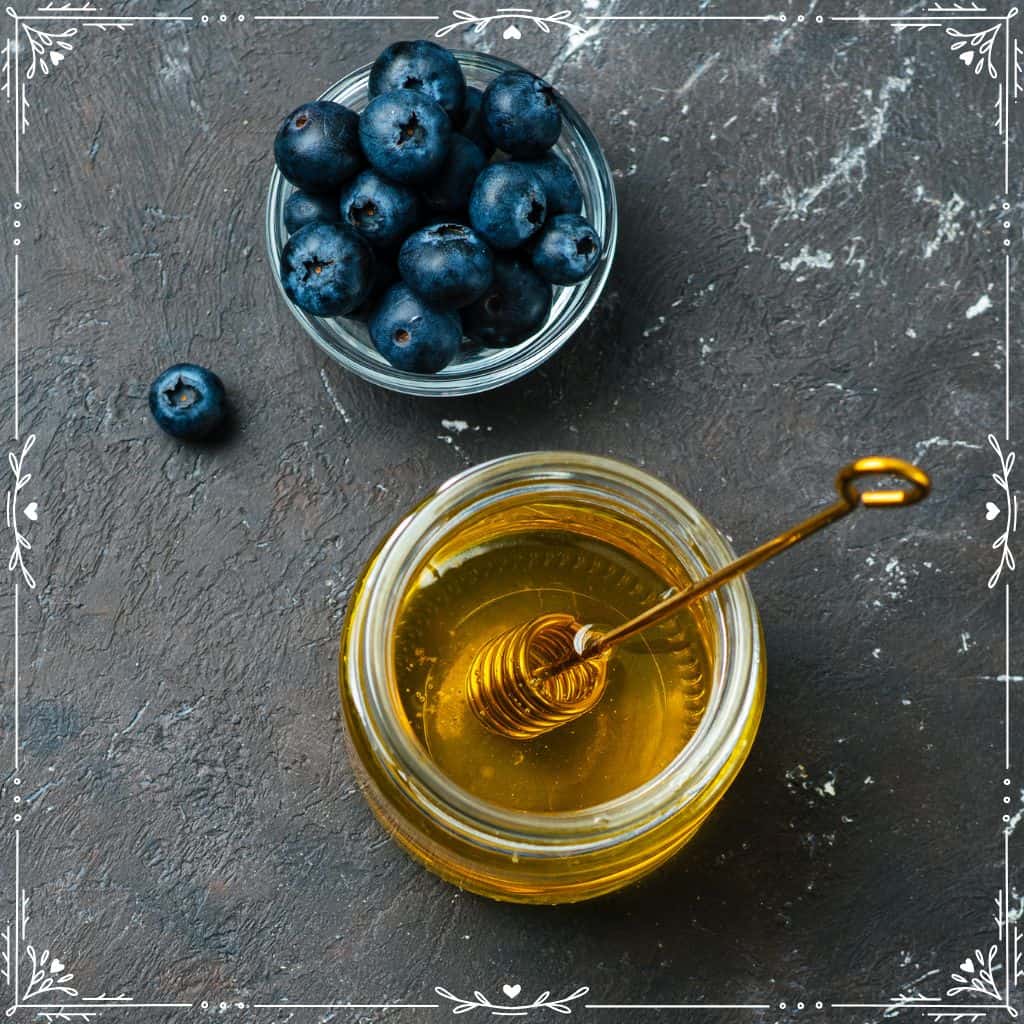
Honey fermented blueberries (or huckleberries) are a beautiful way to preserve the wild essence of summer. This simple, natural fermentation technique transforms fresh-picked berries and raw honey into a probiotic-rich, deeply flavorful preserve that’s as good for you as it is delicious. It’s a recipe rooted in tradition, one I revisit each year as part of my journey with wildcrafting and fermentation.
In this post, I’ll walk you through exactly how I make honey fermented blueberries at home, sharing the tools I use, the steps I follow, and why this process has become a beloved part of my seasonal rhythm. I’ll also point you toward other fermented food recipes on The Outdoor Apothecary—so if you’re as obsessed with home fermentation as I am, you’re in the right place.

Why I Ferment Wild Blueberries with Honey
There’s something really special about walking through the woods and stumbling on a patch of ripe wild blueberries or huckleberries. It feels like nature’s little gift for taking the time to slow down and look around. Over the years, picking these berries has become one of my favorite seasonal traditions—quiet moments that help me feel connected to the land.
Fermenting them with honey is my way of keeping that feeling going a little longer. The process is simple and slow, and that’s part of what I love about it. Unlike canning or freezing, honey fermentation keeps the berries raw and full of life. You don’t need any fancy tools—just berries, honey, and some patience.
The flavor changes in such a beautiful way, too. As they ferment, the berries take on a tangy, slightly fizzy taste, and the honey gets even more rich and complex. It’s a little bit of wild magic in every jar.
Making this recipe also opened the door for me to try other types of fermentation. If you’re curious about what else you can make, I’ve shared more fermented food recipes here.
Here are just a few reasons I keep coming back to this recipe:
- It’s an easy, low-effort way to preserve fresh berries
- Fermentation boosts beneficial bacteria for gut health
- Honey draws out the juice and flavor of the berries naturally
- No cooking means more nutrients stay intact
- The result is a tasty, tangy, probiotic-rich treat you can enjoy for months
- It’s a fun, hands-on way to connect with traditional food-making methods
Ingredients and Tools You’ll Need for Honey Fermented Blueberries
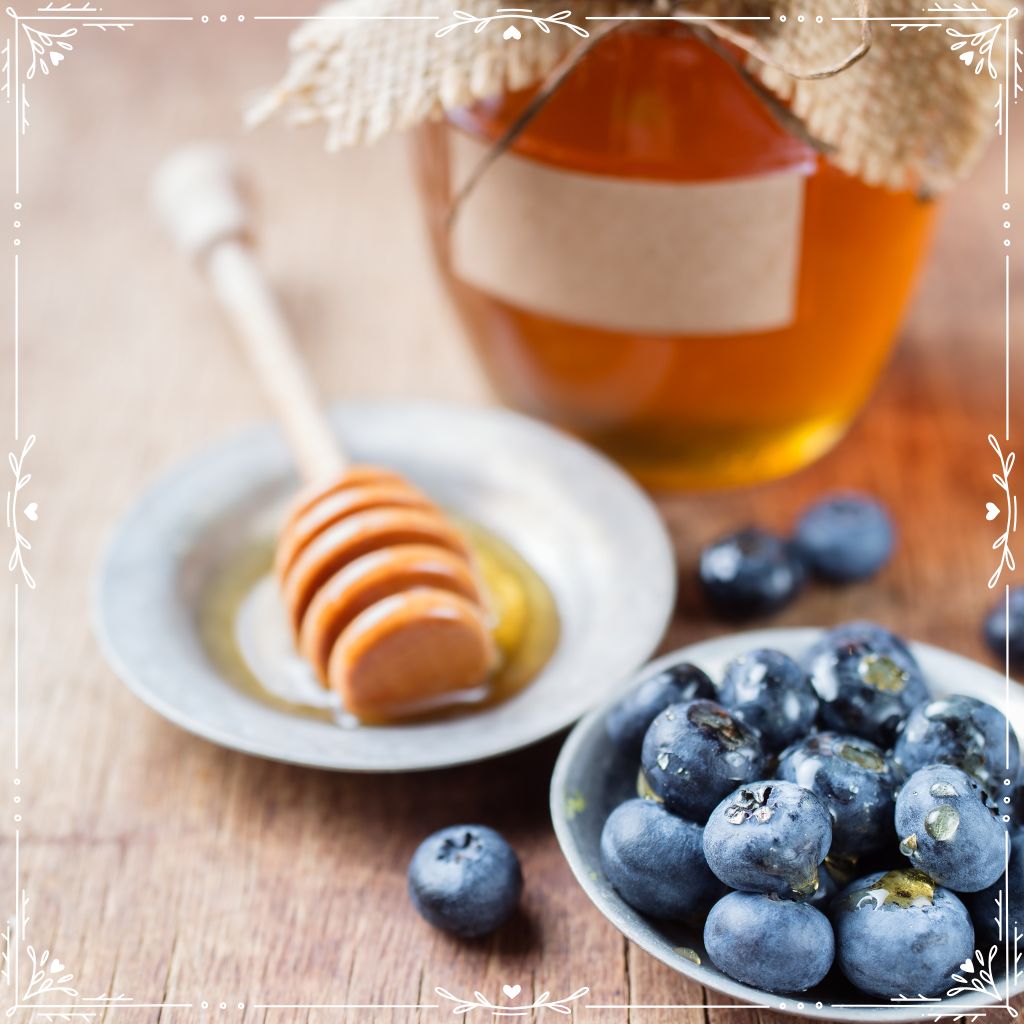
One of the best things about this recipe is how simple it is. You don’t need a ton of ingredients or any special equipment—just a few basic things you probably already have in your kitchen.
Ingredients:
- Fresh blueberries or huckleberries – wild or store-bought, but wild ones have a little extra magic
- Raw honey – unpasteurized is best, so the natural enzymes and wild yeasts stay active. Pasteurization kills off the good bacteria and benefits of raw honey, making it unable to ferment.
Tools:
- A clean glass jar – any size works, but a pint or quart jar is perfect for small batches
- A wooden spoon or chopstick – helpful for mixing and releasing air bubbles
- A weight (optional) – like a glass fermentation weight or a small jar lid to keep berries submerged
- A loose-fitting lid – to let gases escape while keeping dust and bugs out
That’s really all you need! Fermentation doesn’t have to be fussy. In fact, the simpler you keep it, the more likely you are to stick with it and enjoy the process.

Step-by-Step Guide to Making Honey Fermented Blueberries
Making honey fermented blueberries is incredibly simple. Here’s how I do it, based on years of seasonal foraging and kitchen experiments.
Step 1: Add Berries to a Clean Jar
Fill a clean glass jar about ¾ of the way full with berries. I like to use a pint or quart mason jar, depending on how much I’ve gathered. Don’t pack them too tightly—leave room for stirring and bubbling.
Step 2: Pour in Raw Honey
Pour raw, unpasteurized honey over the berries until they’re fully covered. The honey will slowly settle between the berries. You can stir gently with a wooden spoon or chopstick to help it along and remove air pockets.
Step 3: Seal Loosely and Set Aside
Cover the jar with a plastic lid, but don’t screw it on too tight—just enough to keep it in place while still allowing gases to escape. This helps prevent pressure from building up during fermentation. Then place the jar in a cool, dark spot out of direct sunlight—like a pantry or cupboard.
Note: If you are using a metal lid, make sure to put parchment paper in between the jar and the lid. Extended contact with metal in a ferment can corrode the metal and leach it into your ferment.
Step 4: Stir Daily for the First Week
For the first 5–7 days, once a day, tighten the lid on the jar and gently flip it upside down to let the honey coat all the berries. This keeps everything well-mixed and helps prevent mold from forming on the surface. When you return the jar to its upright position, be sure to loosen the lid again to allow gases to escape. You’ll likely start to see small bubbles forming—that’s a good sign your ferment is alive and active!
Step 5: Let It Ferment
After the first week, you can stir every few days. Fermentation will continue at room temperature for 2 to 4 weeks, depending on your environment and how tangy or effervescent you like the flavor. Taste occasionally and trust your senses.
Step 6: Store in the Fridge
Once you’re happy with the flavor, screw the lid on tightly and store the jar in a cool location. This slows the fermentation process and helps preserve the berries. They’ll keep for several months chilled, and the flavor keeps getting better with time.
Every batch turns out a little different, and that’s part of the fun. It’s a living recipe—just like the wild places that inspire it.

How to Store, Use, and Enjoy Your Fermented Blueberries
Once your honey fermented blueberries have reached the flavor you like—whether it’s mildly sweet or a little tangy and bubbly—it’s time to move them to the fridge. This step slows down fermentation and helps preserve all that goodness for months to come.
How to Store:
Transfer to the fridge: Once you’re happy with the taste, seal the jar with a tight-fitting lid and refrigerate. The cooler temperature slows the fermentation way down but doesn’t stop it entirely.
Shelf life: These will easily keep for 3 to 6 months in the fridge, possibly longer. Just keep an eye on texture and smell, and always use clean utensils when scooping some out.
You might notice some natural separation over time or a bit of bubbling—don’t worry, that’s totally normal for a living ferment.
How to Use Fermented Blueberries
There are so many ways to enjoy these little bursts of wild flavor. Here are a few of my personal favorites:
- Drizzled over yogurt or oatmeal – sweet, tangy, and probiotic-rich
- Blended into smoothies – adds a fizzy, fruity depth
- Spoon them onto toast or pancakes – better than jam, and way more interesting
- Mixed into salad dressings – just mash a few berries into vinaigrettes for a fruity twist
- As a topping for ice cream or cheesecake – next-level dessert
- Eaten by the spoonful – no shame in that!
You can even use the leftover honey as a syrup or glaze—it’s infused with berry flavor and mild fermentation notes that make it a great addition to marinades, cocktails, or homemade herbal tonics.

Is Honey Fermentation Safe? What About Botulism?
One question I get asked often is whether honey fermentation is safe—and that’s totally understandable. Botulism is a rare but serious concern when fermenting foods, so it’s important to know the facts.
Here’s the good news: honey fermented blueberries are generally very safe when made properly. While botulism spores can survive in raw honey, the risk of them growing is extremely low in this kind of ferment. That’s because:
- Honey is naturally antimicrobial and creates an environment that’s not very friendly to harmful bacteria.
- The blueberries are acidic, and over time, the fermentation process makes the mixture even more acidic—another layer of protection.
- Refrigeration after fermentation further reduces any potential risk.
To stay on the safe side, follow these tips:
- Use completely dry berries (no extra water in the jar)
- Use raw, unpasteurized honey
- Keep your jar in a cool, dark spot while it ferments
- Once it’s fermented to your liking, store it in the fridge
- Always use a clean utensil when scooping some out
If your ferment ever smells off, develops mold, or looks slimy—trust your senses and discard it. When in doubt, it’s better to start over.
If you’re feeling extra cautious, you can test the pH with strips or a meter—a pH below 4.6 is considered safe from botulism. Most fruit and honey ferments fall well below this level once fermentation is underway.
I’ve been making this recipe for years using wild-foraged berries, and it continues to be one of my favorite and most reliable seasonal ferments.


More Fermented Food Ideas
If you loved making honey fermented blueberries, you’re going to want to try a few more of my favorite wild and seasonal fermentation recipes. These are all simple, beginner-friendly, and rooted in traditional ways of preserving food for wellness and flavor.
Here are a few to get you started:
- Fermented Garlic Honey – A sweet and spicy kitchen remedy that’s as easy to make as it is powerful for immune support.
- Fermented Ginger Honey Recipe and Easy Instructions
- How to Make Sauerkraut from Scratch – A traditional fermented food and a great first vegetable ferment to try.
- Fermenting Cranberries in Honey: A Sweet and Tangy Delight
- Easy Foraged and Fermented Pine Needle Soda (recipe + instructions)
- Fermented Zucchini Pickles: Delicious and Good for Your Gut
- Easy Homemade Fermented Berry Soda
- Homemade Fermented Shrubs: Health Benefits and Easy Preparation
- Purslane Recipe: Embracing the Wild with Fermented Purslane, Ginger, and Garlic
Each of these recipes carries the same spirit of connection—to nature, the seasons, and the traditional ways of nourishing ourselves. Whether you’re building a pantry full of wild preserves or just starting out with your first jar, there’s something here for you.
Disclaimer:
The Outdoor Apothecary website is intended for informational purposes only and should not be considered a substitute for professional medical advice. The information provided is not intended to diagnose, treat, cure, or prevent any disease. While we strive to provide accurate and up-to-date information, it is the reader’s responsibility to ensure proper plant identification and usage.
Please be aware that some plants are poisonous or can have serious adverse health effects. We are not health professionals, medical doctors, or nutritionists. It is essential to consult with qualified professionals for verification of nutritional information, health benefits, and any potential risks associated with edible and medicinal plants mentioned on this website.
