The Outdoor Apothecary is reader-supported. When you buy through links on our site, we may earn an affiliate commission. Learn more
When I think about the best herbs for skin, I think about the plant world right outside my door. Here in eastern Connecticut, the hedgerows and forest edges are quietly stocked with some of the most powerful skin medicines on earth. Some of these herbs grow in my garden. Some I forage from the land. And a few I’ve known since childhood, though I didn’t always know their names.
This list is a mix of beloved garden herbs with a long history in Western herbalism and native plants that have been healing skin in this region for centuries before that tradition arrived. Together, these herbs for skin cover a remarkable range — soothing, cooling, drawing, protecting, and rebuilding.
A note on origins: some of these herbs, like calendula and chamomile, are European introductions that have naturalized widely and become fixtures of the Western herbal tradition. Others like witch hazel, elderflower, goldenrod, yarrow, and native rose are truly at home in this Connecticut landscape and have been used here since long before European contact. I’ve included both, because why not use them if they’re here. But I’ll note throughout which plants you might find growing wild right here in New England.
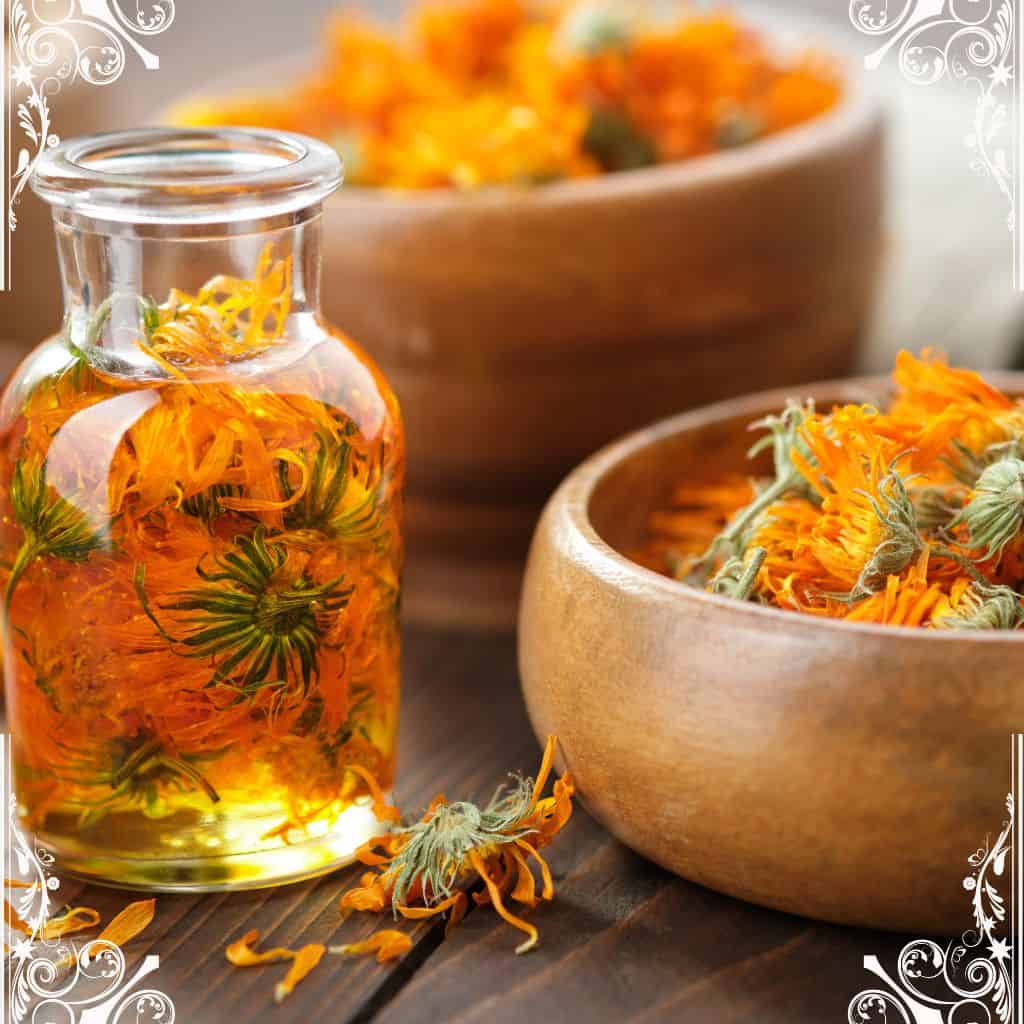
Calendula - herbs for skin
1. Calendula (Calendula officinalis)
If there’s one herb that belongs in every skin care cupboard, it’s calendula. Her bright orange and yellow flowers are more than cheerful. They’re know to be deeply anti-inflammatory, antimicrobial, and wound-healing. Calendula infused in oil becomes the base of countless salves and creams, suited for everything from dry chapped skin to minor cuts and rashes. She’s gentle enough for babies and strong enough for chronic conditions like eczema.
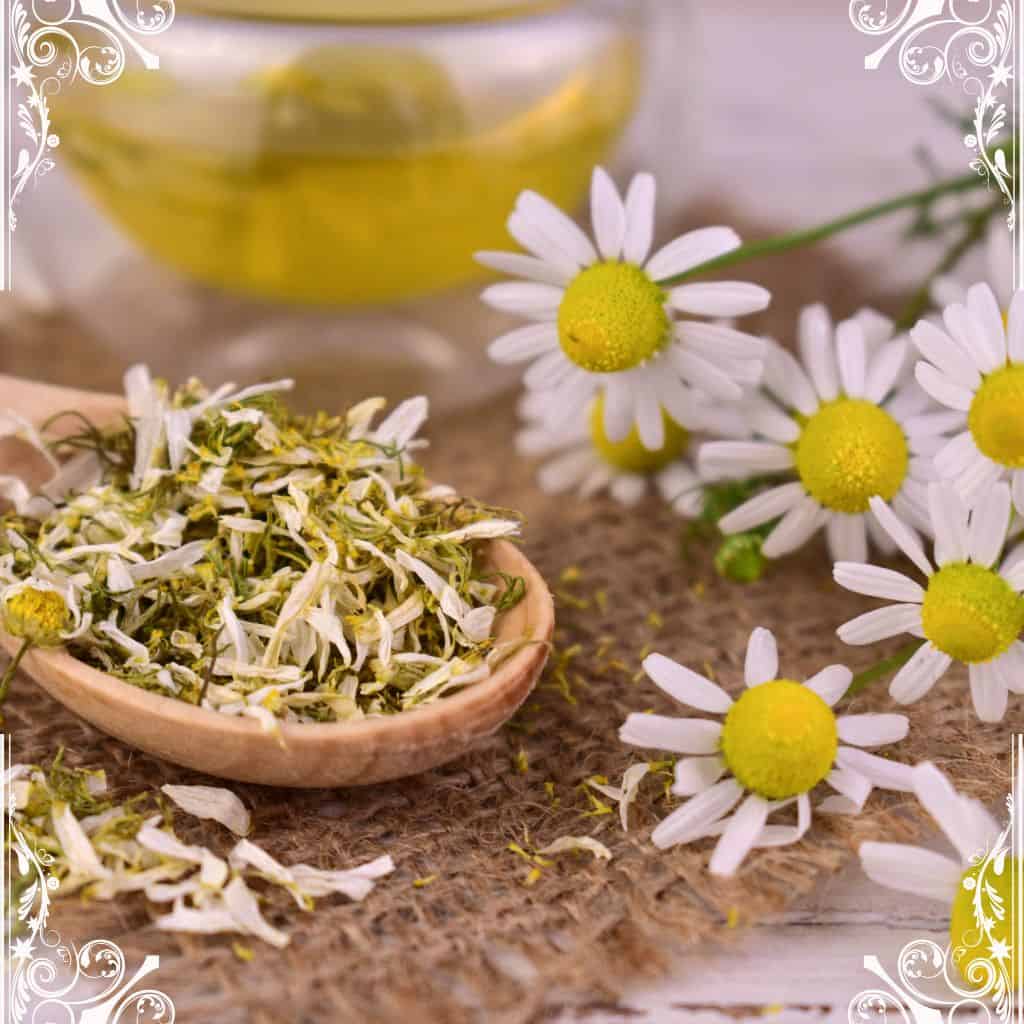
Chamomile is probably the most underestimated plant in the Western herbal tradition. Most people think of her as a sleepy tea — and she is — but she’s also a remarkable skin herb. Her essential oil contains chamazulene, a compound that gives the oil its striking blue color and delivers potent anti-inflammatory action. A strong chamomile tea used as a facial steam or compress can calm redness, reduce puffiness, and soothe reactive skin.
Best for: Sensitive skin, redness, inflammation, eczema, sunburn
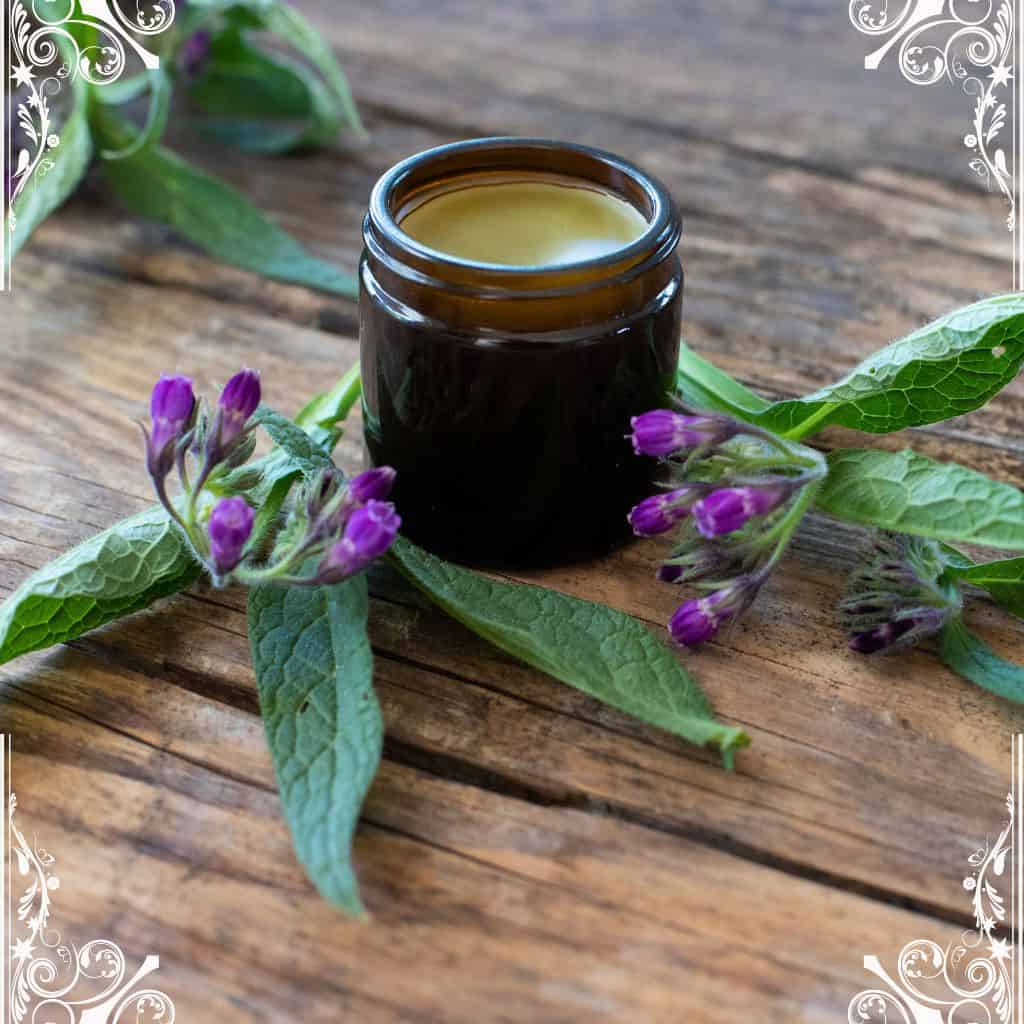
Comfrey - herbs for skin
3. Comfrey (Symphytum officinale)
Comfrey’s common name — knitbone — tells you everything you need to know. She contains allantoin, a compound that actively promotes cell proliferation and tissue repair. That makes her extraordinary for wounds, bruises, sprains, and skin that needs to rebuild itself. I use her in salves for cracked heels and rough, damaged skin. A note of caution: comfrey is best used on unbroken skin externally, and avoided on deep puncture wounds.
Best for: Wound healing, bruises, rough or damaged skin, cracked heels
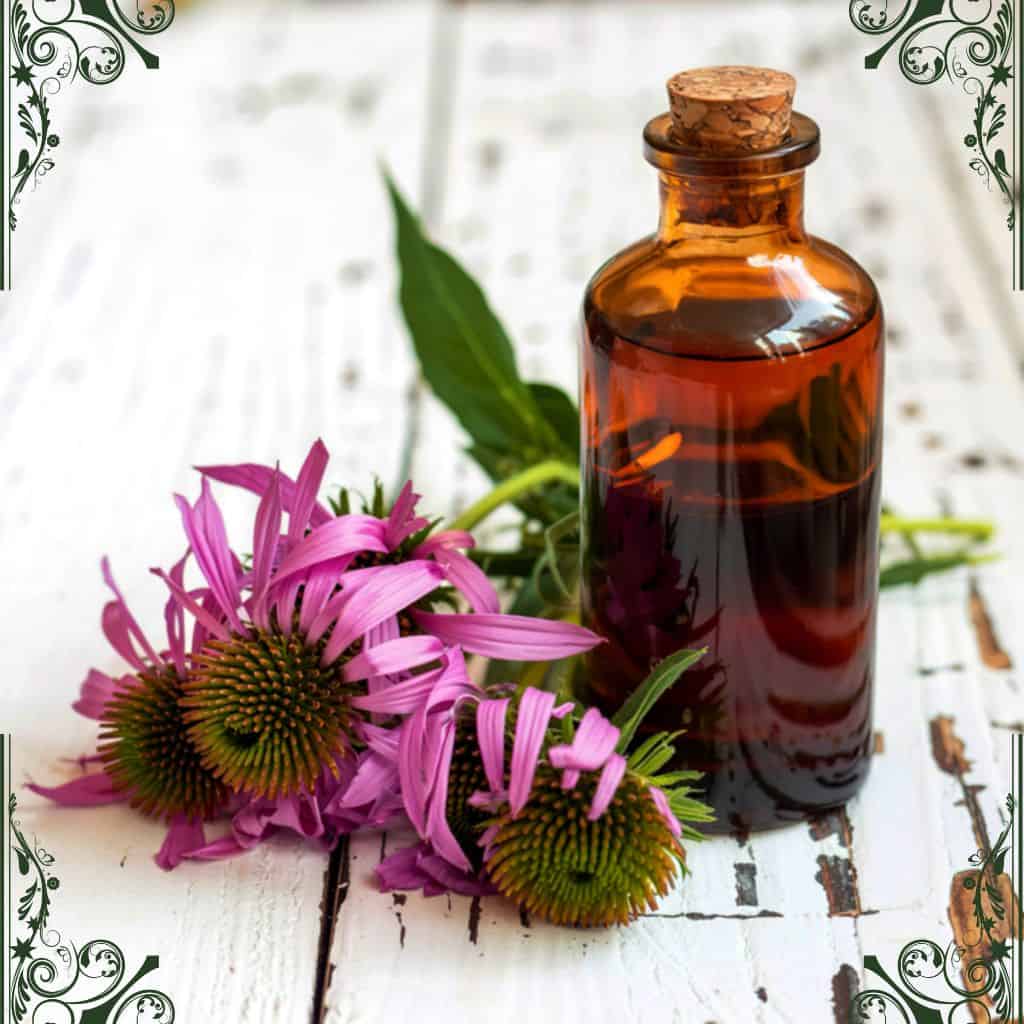
Echinacea - herbs for skin
4. Echinacea (Echinacea purpurea / E. angustifolia)
Most people reach for echinacea when they feel a cold coming on. But this native prairie plant is also a powerful ally for the skin. She supports the immune response, fights infection, and has demonstrated antiviral and antimicrobial properties that make her useful for acne, infected wounds, and slow-healing skin. Applied topically, an echinacea tincture or salve can help address inflammation and support the skin’s own defense systems.
Best for: Acne, infected or slow-healing wounds, skin infections, boils
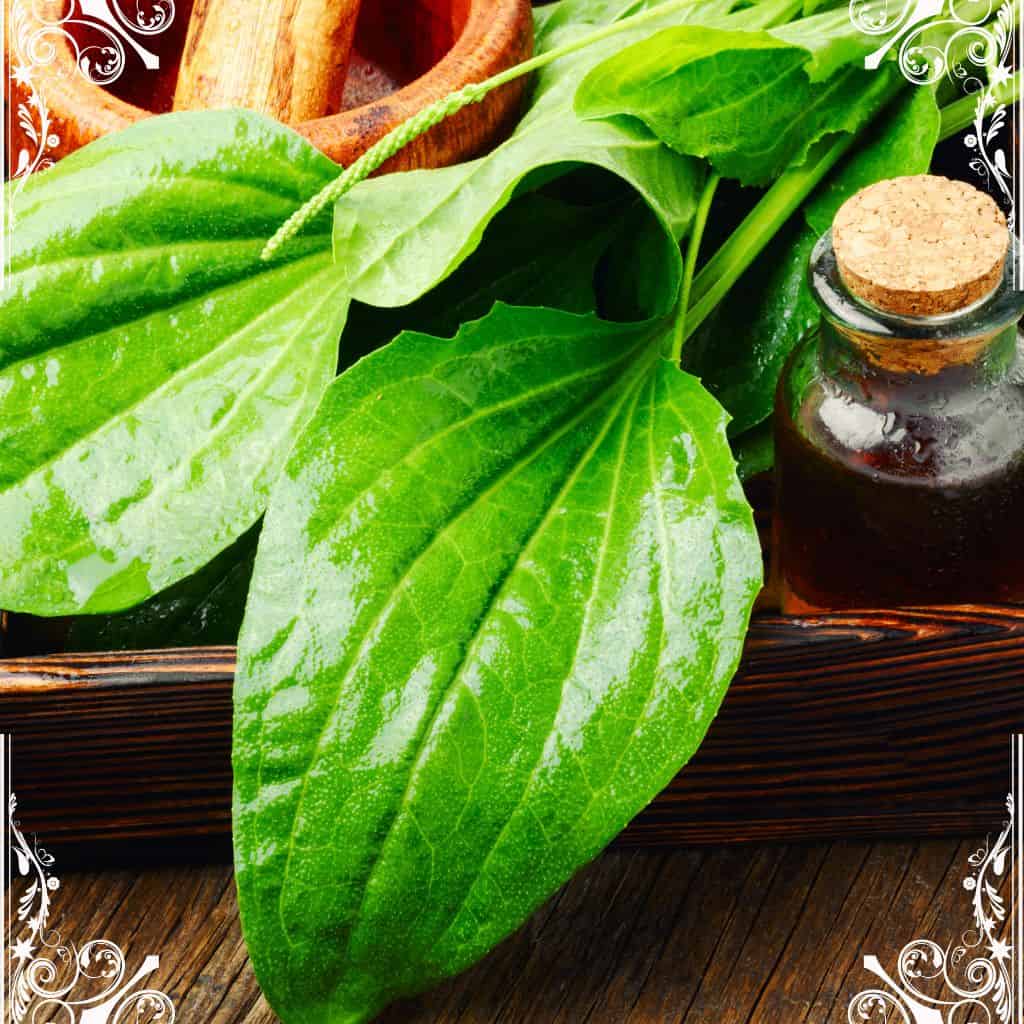
Plantain - herbs for skin
5. Plantain (Plantago major / P. lanceolata)
Plantain is one of the first herbs I teach people to recognize, because she’s almost certainly already growing in your yard. This humble “weed” is one of the great drawing and soothing herbs of the plant world. A fresh plantain poultice — just chew a leaf and apply it — will pull the sting right out of a bee sting or a nettle brush in minutes. Her constituents, including aucubin and allantoin, are anti-inflammatory, antimicrobial, and tissue-healing.
Best for: Insect stings, splinters, minor wounds, poison ivy reaction, dry or irritated skin
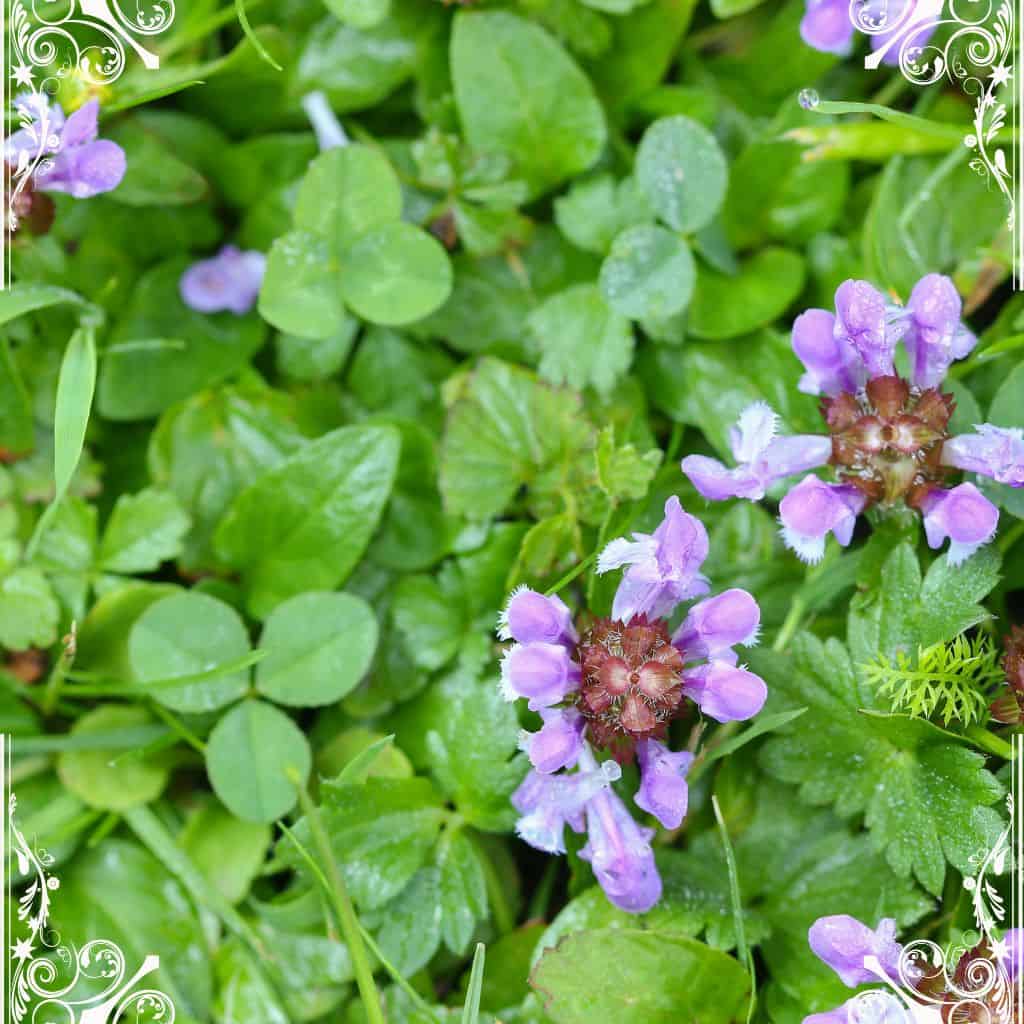
Self-heal - herbs for skin
6. Self-Heal (Prunella vulgaris)
Self-heal is another yard plant hiding in plain sight. She’s been used in folk medicine around the world, and modern research has started to catch up with what herbalists have always known — she’s rich in antioxidants, rosmarinic acid, and compounds that support skin healing. Her name isn’t an accident. A self-heal infusion or salve can support recovery from cold sores, minor wounds, and inflamed skin.
Best for: Cold sores, minor skin infections, wound healing, inflammation
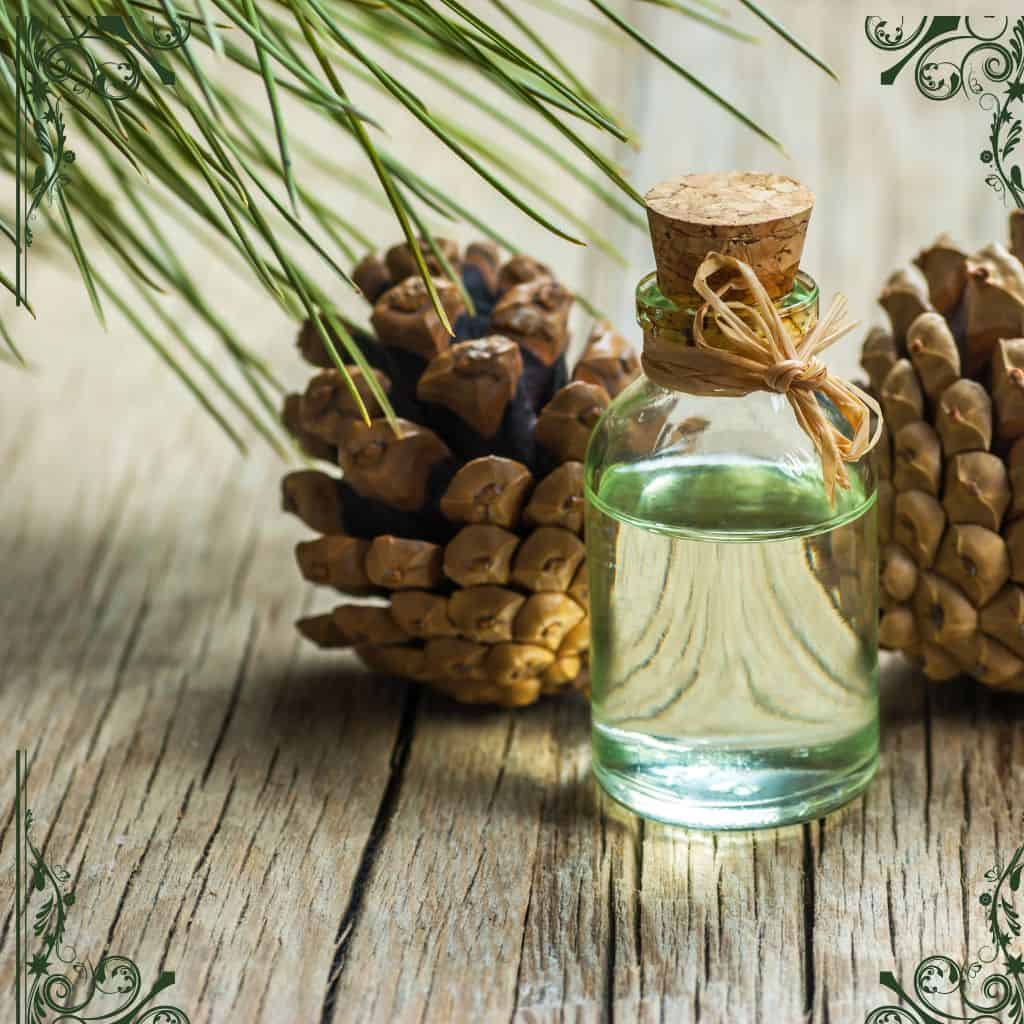
White Pine - herbs for skin
7. White Pine (Pinus strobus)
White pine is one of my great loves. She’s everywhere in the New England landscape, and every part of her has a use. For skin, pine resin is the star — it’s been used for centuries as a drawing agent for splinters, infections, and boils. Pine needle tea is rich in vitamin C and antioxidants. And pine resin salves have a long history as wound healers with antimicrobial properties. I find comfort in using a plant I can see from my kitchen window.
Best for: Splinters, boils, minor infections, antioxidant skin support
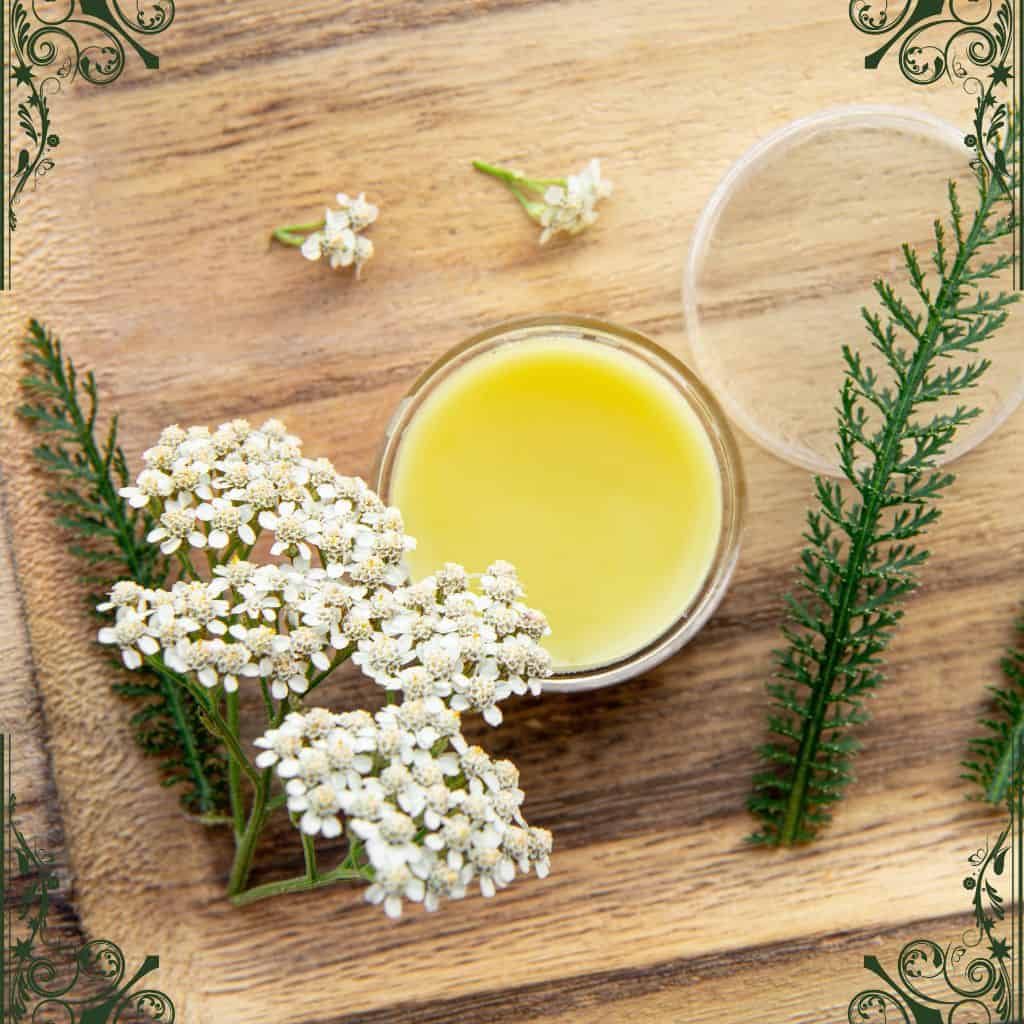
Yarrow- herbs for skin
8. Yarrow (Achillea millefolium)
Yarrow is one of the oldest wound herbs we know of — her genus name Achillea traces back to the legend of Achilles using her on the battlefield. That reputation is well earned. She’s styptic, meaning she slows bleeding, and she’s also antimicrobial, anti-inflammatory, and tissue-toning. For skin, yarrow shines in wound care, acne treatment, and as a pore-tightening astringent. She grows wild across Connecticut. I find her in dry meadows and along roadsides every summer, her flat-topped white flower clusters impossible to miss once you know her.
Best for: Cuts and wounds, acne, oily skin, toning, bruising
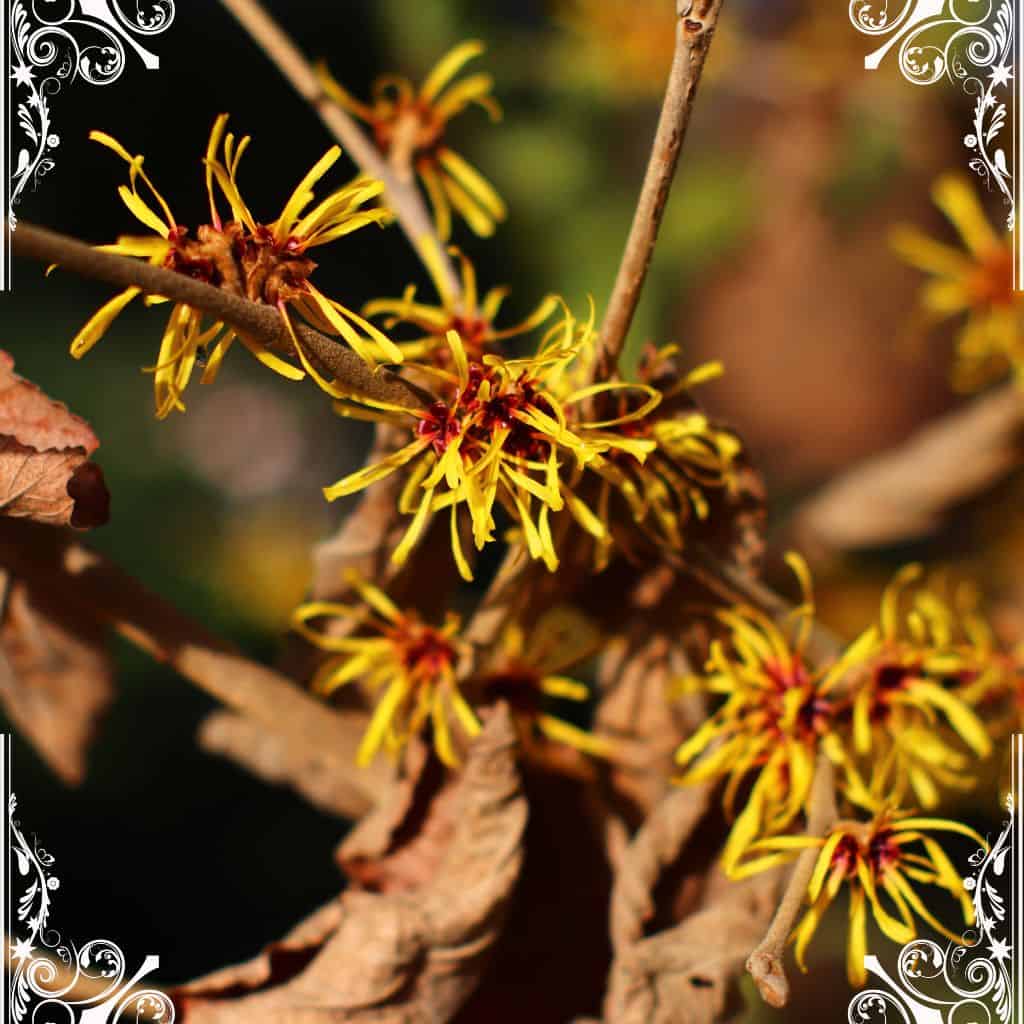
Witch hazel- herbs for skin
9. Witch Hazel (Hamamelis virginiana)
If you’ve ever bought a bottle of witch hazel from the drugstore, you already know this native Connecticut shrub — though most commercial versions are distilled and stripped of much of their medicine. The real thing, made from bark or leaves steeped in water or alcohol, is astringent, anti-inflammatory, and toning. Witch hazel grows wild in our Connecticut woodlands, and she’s one of the most generous plants I know. She blooms in the middle of winter, when everything else has gone quiet.
Best for: Oily or acne-prone skin, toning, sunburn, varicose veins, under-eye puffiness
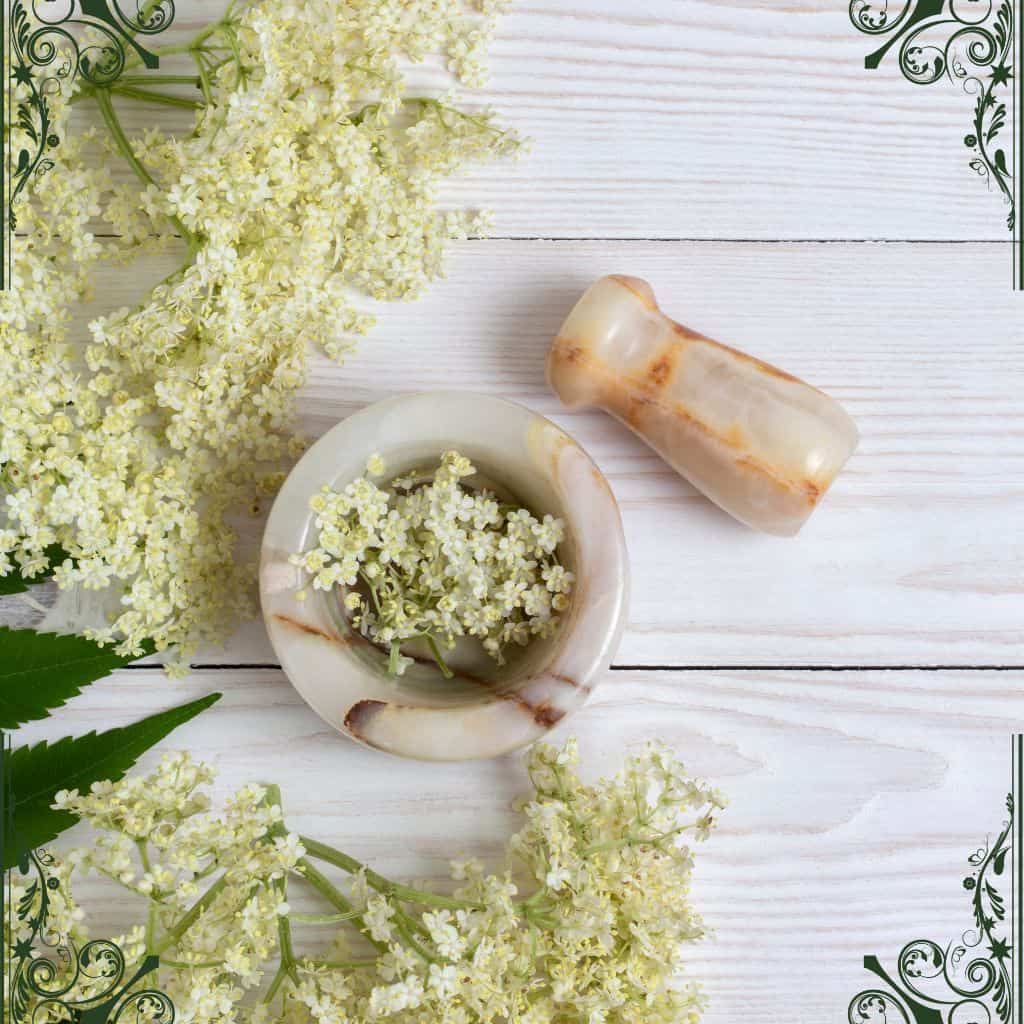
Elderflower - herbs for skin
10. Elderflower (Sambucus canadensis)
Elderflower has a long history in European beauty traditions, and our native American elder carries the same gifts. Her flowers are softening, gently astringent, and soothing to the skin. An elderflower infusion makes a beautiful facial rinse or toner, and elderflower-infused oil can be used in creams and serums. She’s particularly lovely for mature skin and sun-damaged skin. I look forward to her blooming every June — there’s nothing quite like fresh elderflower in a jar of honey or steeping in oil on the windowsill.
Best for: Mature skin, sun damage, brightening, gentle toning, softening
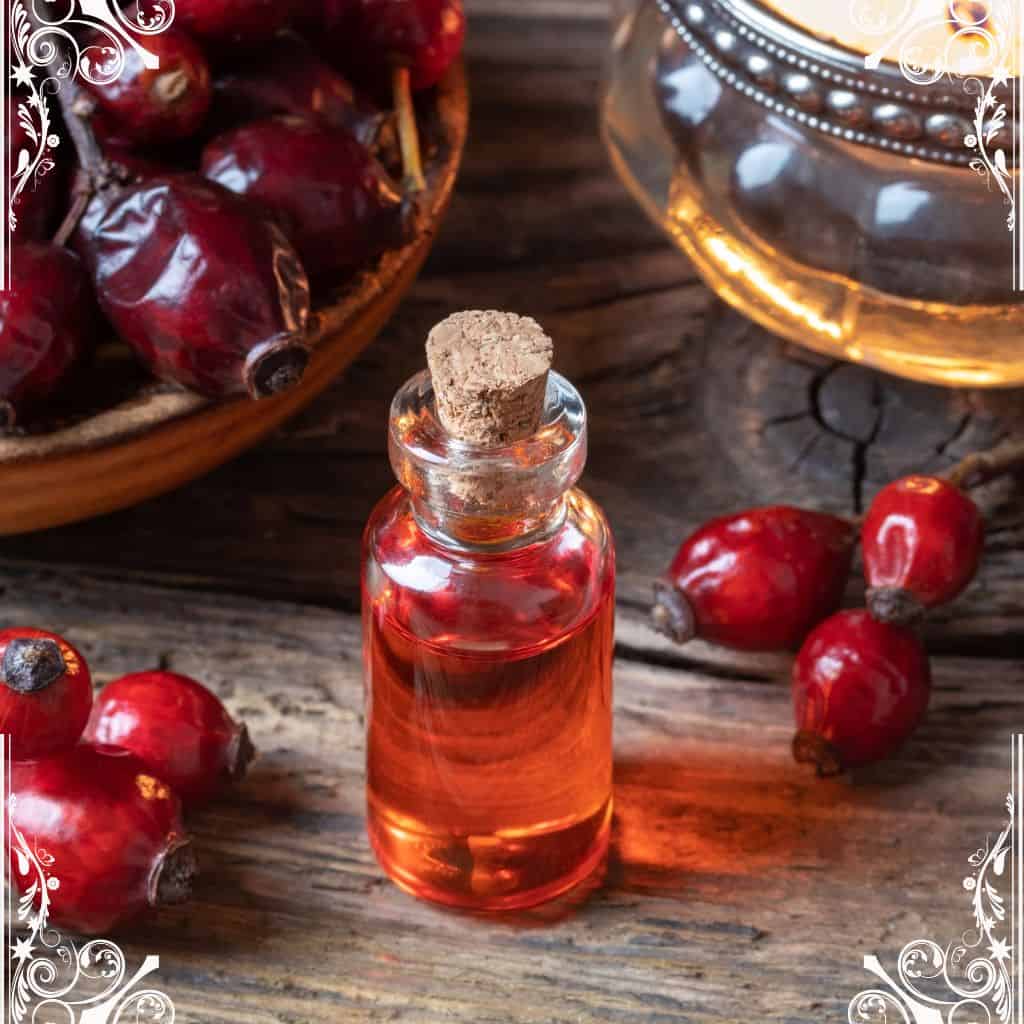
Rose hips - herbs for skin
11. Rose Hips (Rosa carolina)
Rose hips are the fruit that forms after the rose flower drops — and they are one of the richest plant sources of vitamin C on earth. That makes them exceptionally valuable for skin health: vitamin C is essential for collagen synthesis, brightening, and protection against oxidative damage. Rose hip seed oil, cold-pressed from the seeds inside the hips, has become well known in natural skin care for its ability to fade scars, smooth fine lines, and support skin regeneration. Our native pasture rose (Rosa carolina) produces hips right here in Connecticut, and I gather them every fall along field edges and woodland margins.
Best for: Brightening, anti-aging, scar fading, hyperpigmentation, dry or mature skin
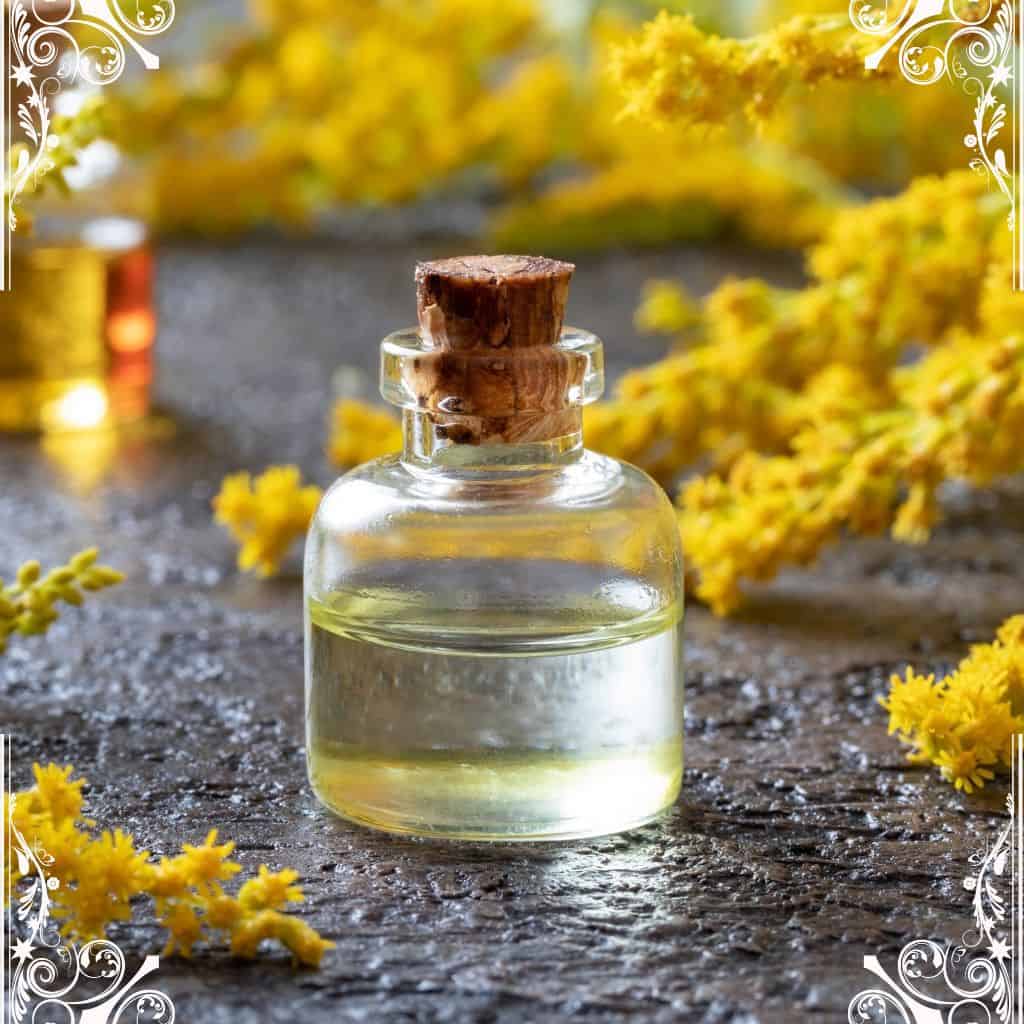
Goldenrod - herbs for skin
12. Goldenrod (Solidago canadensis)
Goldenrod gets an unfair reputation for causing hay fever — that’s actually ragweed, which blooms at the same time. Goldenrod herself is anti-inflammatory, antimicrobial, and astringent, and her uses for skin are just beginning to be appreciated. A strong goldenrod infusion makes an excellent wash for oily or acne-prone skin. She also has wound-healing properties and has been used topically for fungal infections and skin irritations. She’s one of the most abundant native plants in this region, painting our roadsides gold every August.
Best for: Oily or acne-prone skin, wound healing, antifungal support, skin infections
A Note on Foraging & Sourcing
Many of these herbs can be grown in a home garden, but several — witch hazel, elder, goldenrod, yarrow, plantain, self-heal, white pine, and native rose — can also be found growing wild in Connecticut and throughout New England. If you forage, please do so thoughtfully: take only what you need, never from roadsides or sprayed areas, and always with a positive ID.
For herbs you purchase, look for organic, responsibly sourced options whenever possible. And if you’re new to herbal skin care, start with one or two herbs and learn them well before expanding your practice.
The plant world has been caring for human skin for a very long time. We’re just remembering how to receive that care.
Want to go deeper? Browse my herbal salve and skin care recipes in the Herbalism & Herbs section of the blog.
Don't Forget to Subscribe to Our Newsletter
Get Freebies & Exclusive Content from Our Resource Library
Are you passionate about connecting with nature and exploring the world of herbal remedies? Join our community by subscribing to our weekly newsletter! As a subscriber, you’ll gain exclusive access to our members-only freebie and resource library, packed with valuable guides, recipes, and tips for living a more natural and sustainable lifestyle, closer to nature.
The Outdoor Apothecary website is intended for informational purposes only and should not be considered a substitute for professional medical advice. The information provided is not intended to diagnose, treat, cure, or prevent any disease. While we strive to provide accurate and up-to-date information, it is the reader’s responsibility to ensure proper plant identification and usage.
Please be aware that some plants are poisonous or can have serious adverse health effects. We are not health professionals, medical doctors, or nutritionists. It is essential to consult with qualified professionals for verification of nutritional information, health benefits, and any potential risks associated with edible and medicinal plants mentioned on this website.