
The Outdoor Apothecary is reader-supported. When you buy through links on our site, we may earn an affiliate commission. Learn more
Evergreen Joy and Quiet Resilience
Discover the magic of wintergreen folklore—exploring wintergreen’s healing gifts, symbolism, and quiet lessons of endurance during the stillness of winter.
I used to dread winter. The cold, the gray days, the long nights—it all felt endless. But as I’ve grown older, I’ve come to appreciate every season for the gifts it offers. December, especially, holds a stark kind of beauty that I didn’t recognize until I began to truly embrace seasonal living. Now, I find myself looking forward to winter as a time to slow down, rest, and savor the coziness it brings.
One of my favorite rituals in any season is taking long walks. I live near a nature preserve, and it offers endless opportunities to observe the shifting rhythms of the land here in New England. In December, the trees stand bare and silent, their shapes etched against the pale sky—except for the many pines that remain deep green and fragrant. It’s quiet there, and often it feels like I’m the only one wandering those trails. But I don’t feel alone. I have my plant kin.
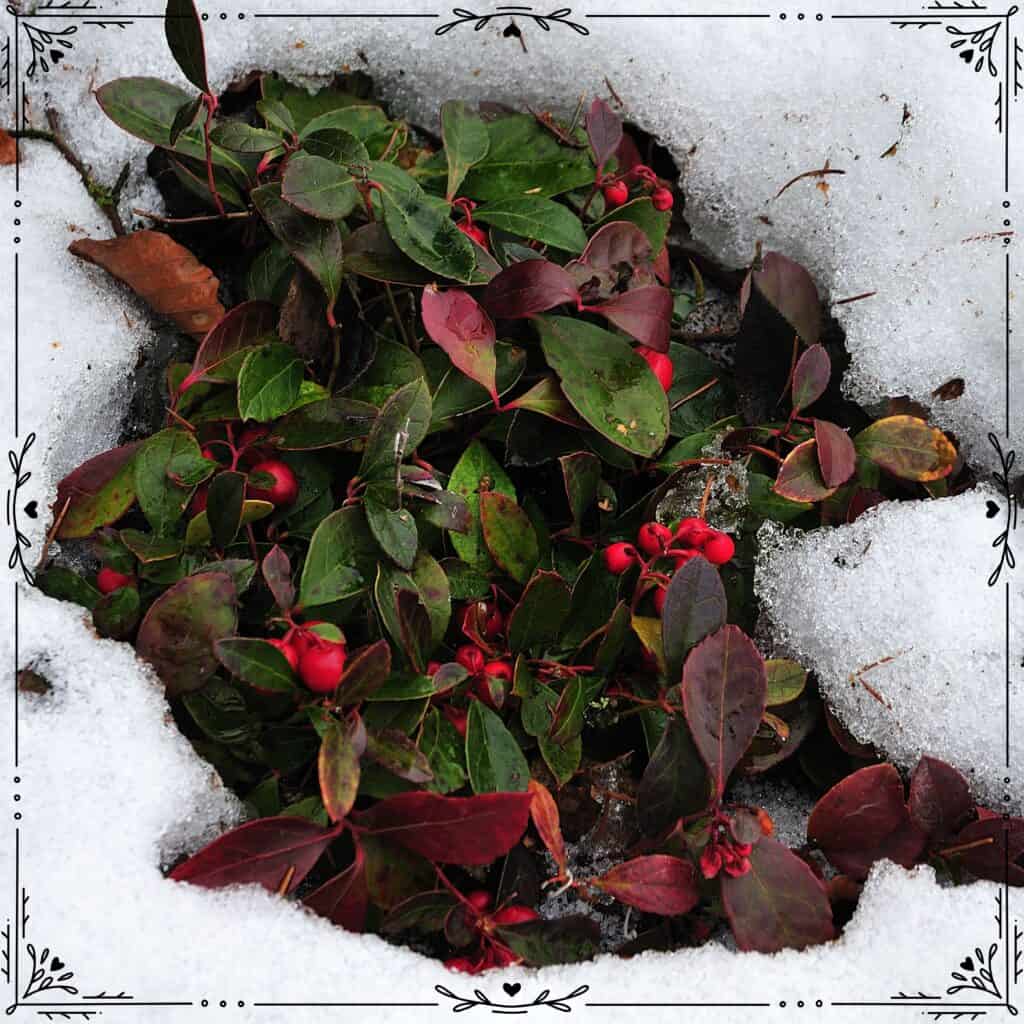
One of these magical companions is Wintergreen (Gaultheria procumbens). Its glossy green leaves peek up through snow and leaf litter, and I always pause to crush one between my fingers, releasing that unmistakable minty scent. The aroma is both invigorating and comforting—a small reminder that even in the coldest months, the earth still offers vitality and healing.
I’ve long been enchanted by the folklore of plants—it feels like such a witchy, wonderful thing to study. Every plant has a story to tell, and wintergreen folklore might be one of my favorites. This humble evergreen isn’t loud or showy—it’s steady, rooted, and full of grace. When I see wintergreen on my walks, I’m reminded that life continues in the stillness, and that joy can be found in even the smallest things.

A Symbol of Resilience and Cheer
Over the years, I’ve come to see wintergreen as one of the quiet teachers of the forest—a little plant full of magic that perseveres even in the coldest months. Its low-growing leaves stay glossy and vibrant beneath the snow, reminding me that strength doesn’t always shout. Sometimes it simply endures.
When my daughters were little, I used to pluck a few of the berries and leaves for them to taste and smell on our winter walks. They were always so amazed that such an unassuming plant could be so fragrant and magical. Those moments of discovery—of learning to identify, taste, and respect the wild things around us—remain some of my favorite memories. I think that’s part of what draws me so deeply into wintergreen folklore: these stories and teachings connect us not only to the earth but to one another, passed down hand to hand, leaf to leaf.
To me, wintergreen embodies the season of winter. Its cool, sweet scent reminds me of candy canes and quiet comfort—of cozy evenings by the fire and the joyful stillness of December. Like the plant itself, it carries the spirit of endurance and simple cheer.
Folklore & Spiritual Properties
Spiritually, wintergreen carries the energy of clarity and resilience—it helps us release what no longer serves us and reconnect to the spark within.
In my own seasonal practice, I sometimes place dried wintergreen leaves on my Solstice altar as symbols of protection and perseverance. The evergreen’s unwavering presence mirrors Solstice energy perfectly—rebirth, continuity, and the return of light. It’s no wonder that throughout history, wintergreen folklore has carried the reputation of hope and gentle strength, whispering that healing can happen even in the stillness of winter.
Wintergreen Associations
- Endurance & Perseverance – Thriving through cold and darkness
- Joy & Lightness – Uplifts mood and clears emotional heaviness
- Clarity & Renewal – Encourages focus and spiritual cleansing
- Protection & Continuity – Evergreen energy guarding life through winter
- Solstice & Rebirth – Symbol of returning light and cyclical renewal
Herbal & Practical Uses
Beyond its spiritual symbolism, wintergreen folklore is deeply intertwined with traditional herbal practices, especially throughout the Northeastern woodlands. Many Indigenous tribes—including the Algonquin, Cherokee, Chippewa, and Iroquois—used Gaultheria procumbens as a remedy for pain, colds, and respiratory ailments. It was brewed into teas, infused into poultices, and used to ease rheumatism and muscle soreness. (GoBotany; NativeTech; Wild Adirondacks)
One of the things I love most about working with wild plants is how they invite us to slow down and connect. Wintergreen tea, for example, asks for patience. If you simply pour boiling water over the leaves, you’ll be disappointed—the flavor stays hidden. The secret lies in time and gentle infusion.
To make true wintergreen tea, I pack a jar full of leaves, cover them with cool water, and let them sit for about three days. When tiny bubbles form, I know it’s ready. After straining and gently warming the tea, the flavor is unlike anything else—crisp, clean, and full of quiet energy.
Beyond tea, wintergreen has long been infused into oils and salves to relieve sore muscles and stiff joints, thanks to its natural methyl salicylate content—the same compound that gives it its distinctive minty scent. I like to keep a small jar of wintergreen-infused oil nearby through the cold months; massaging it into tired muscles after a long walk feels grounding and restorative.
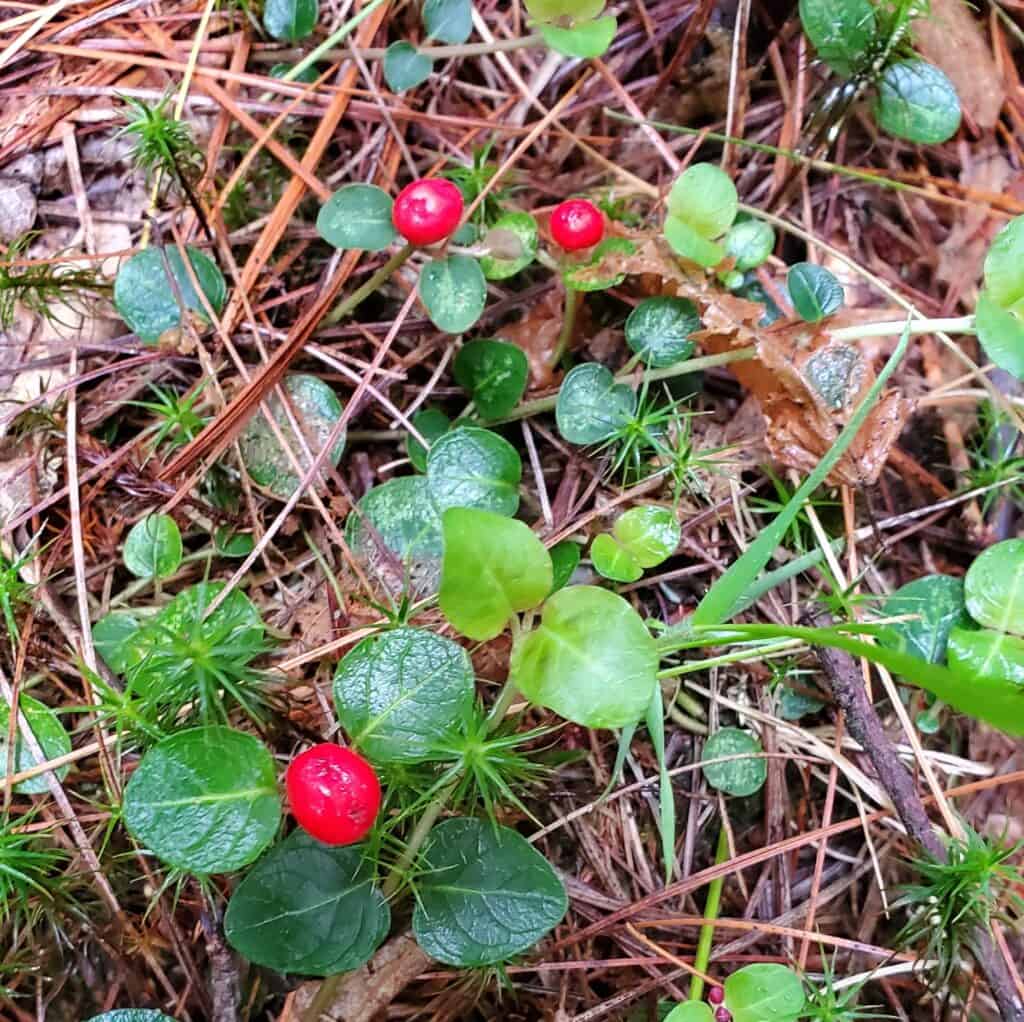
And then there are the berries—tiny red gems that brighten the forest floor when everything else has faded. They can be eaten fresh, though mildly flavored, or added to simple syrups and desserts for a subtle minty note.
Ways to Enjoy Wintergreen
- Wintergreen Sun Tea: Steep leaves in cool water for several days; strain and warm gently.
- Infused Oil or Salve: Use for tired muscles, tension, and joint pain.
- Scented Sachets: Tuck dried leaves into drawers or pillows for a refreshing, uplifting scent.
- Edible Berries: Add to syrups, teas, or simple wild-foraged desserts.
- Solstice Offering: Place a few leaves or berries on your winter altar as a symbol of endurance and renewal.

December Ritual: Solstice Light with Wintergreen
Each season, I incorporate little rituals into my seasonal living practice—simple ways that help me feel more rooted, grounded, and connected to nature’s rhythms. These moments of intention remind me that I’m part of the same cycles I see unfolding all around me. They’re small gestures of reverence for the turning of the year.
In wintergreen folklore, this humble evergreen represents endurance, vitality, and renewal, making it a beautiful ally for honoring the Winter Solstice—the moment when the sun begins its slow return and the promise of light is reborn. Wintergreen’s gentle, refreshing energy feels like a spark in the stillness, a quiet reminder that life continues even beneath snow and shadow.
Here is a simple ritual that I perform each December, one that never fails to bring me a sense of peace and reconnection. I want to share it with you.
Solstice Light with Wintergreen
Purpose:
To honor the endurance of the spirit and welcome the return of light.
You’ll Need:
- A small handful of wintergreen leaves or sprigs
- A white candle
- A small bowl of warm water
- A quiet, cozy space
Steps:
- Light your candle and take a few slow breaths, settling into the stillness.
- Gently crush the wintergreen leaves between your fingers to release their cooling, minty scent.
- Add the leaves to the bowl of warm water and place it beside the candle.
- Sit quietly and breathe in the aroma, watching the flame flicker and reflect off the surface of the water.
- When you feel ready, say softly:
“In the quiet, I endure. In the dark, I find my spark.” - Reflect on what sustained you through the year—small joys, acts of kindness, moments of beauty.
- When you’re finished, pour the water outdoors as an offering to the land, a simple thank-you for all it has provided.
This ritual always feels like a gentle pause in the midst of winter’s stillness—a way to honor both rest and renewal. As the candle burns and the scent of wintergreen fills the air, I’m reminded that the return of the light isn’t only celestial; it’s something that stirs quietly within us too.

December Journaling Prompts
Journaling is another small ritual I turn to each season. It helps me stay mindful and connected to the lessons nature is offering. In December, I find myself reflecting on what I’ve learned from the stillness—the beauty in rest, the strength in slowing down, and the quiet joy of simply being.
Inspired by wintergreen folklore and the Solstice season, here are a few prompts to guide your reflections this month.
Journal Prompts:
- What joys have carried me through this past year?
- In what ways have I grown stronger through adversity?
- How do I maintain light in dark times?
- What simple pleasures bring me comfort in winter?
- What intentions do I want to set as I prepare to enter a new year?
Take your time with these questions. Light a candle, sip a cup of wintergreen tea, and let your thoughts move as slowly and naturally as the winter woods themselves.
Nature-Aligned Activities for December
I like to think of these activities as small ways to live in rhythm with the season—acts of connection and care that remind me I’m part of something larger than myself. Each one invites awareness, gratitude, and presence—the same qualities that wintergreen embodies.
Try adding a few of these to your own seasonal rhythm:
- Brew a cup of wintergreen tea and enjoy it by candlelight.
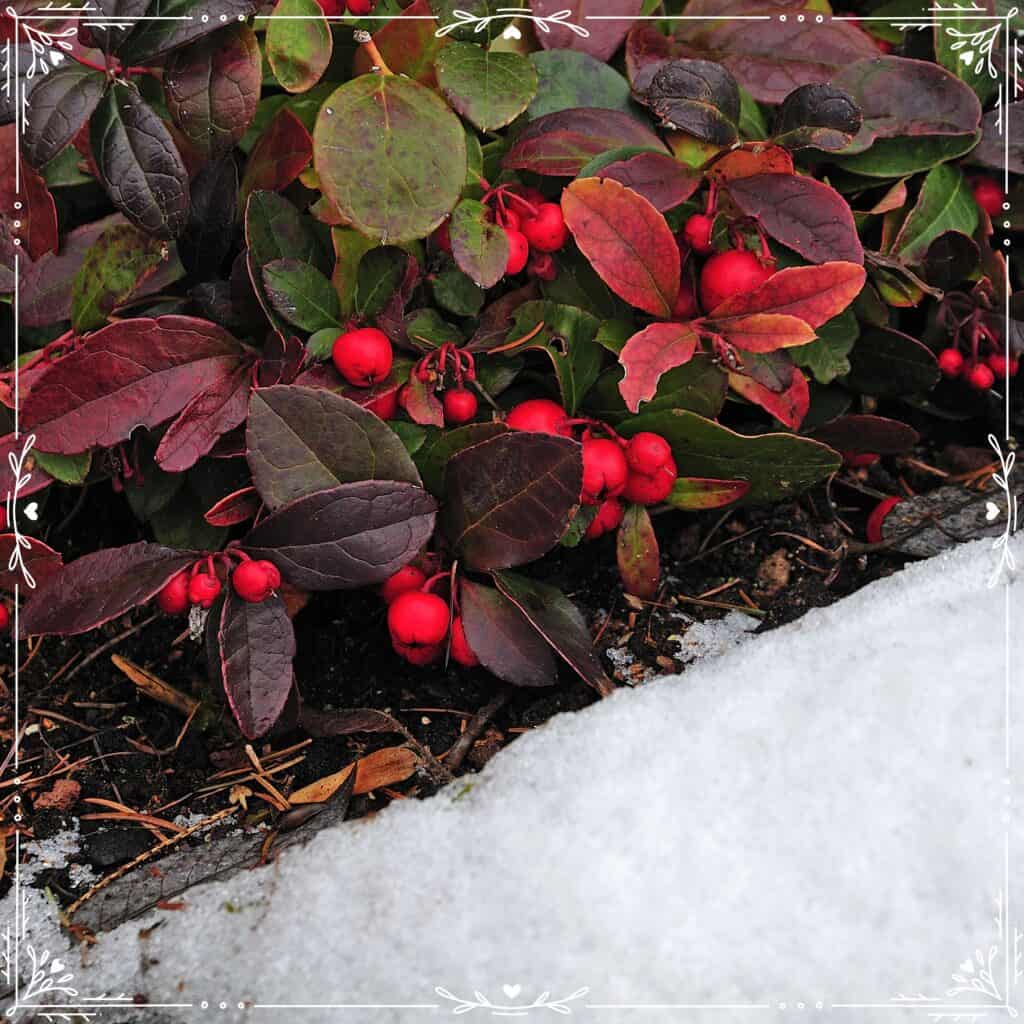
- Take a slow walk through the woods or a nearby trail and notice the evergreens that bring color to the quiet landscape.
- Create a Yule or Solstice altar with pine, cedar, and wintergreen sprigs to celebrate the return of the light.
- Craft natural sachets or ornaments using dried berries and leaves.
- Write down your highlights and lessons from the past year in your seasonal journal.
- Gather with loved ones around a fire or candlelight and share hopes for the coming year.
- Spend a day in intentional stillness—no agenda, no rush—just resting in winter’s deep calm.
Each of these small acts is a way to honor the wisdom of the season. In the quiet, we find renewal; in the stillness, we remember our roots. Just as wintergreen folklore teaches, endurance and joy often live side by side—steady, grounded, and evergreen.


More to Explore
If you enjoyed this journey with wintergreen folklore, you might also love exploring these related articles:
The Folklore of White Pine: Wisdom, Healing, and Cultural Connection — A deep dive into pine’s spiritual and medicinal significance, especially in Northeastern traditions.
Folk Herbalism: An Intuitive Path to Plant Wisdom — A beautiful piece on how to live in relationship with plants, trusting intuition, heritage, and local ecology.
Honoring the Four Sacred Evergreens of the Winter Solstice — This article explores evergreen plants, their lore, and how you can bring evergreen magic into seasonal rituals.
The Magic of Berry Season: Symbolism, Folklore, and Health Benefits — A summertime complement to wintergreen’s quiet stories; a look at how berries carry meaning, medicine, and sweetness. The Outdoor Apothecary
The Amazing Power of the Sun to Infuse Herbs — Because your wintergreen tea ritual taps into slow infusion; this article explores solar infusion methods for oils and tinctures.
Don't Forget to Subscribe to Our Newsletter

Are you passionate about connecting with nature and exploring the world of herbal remedies? Join our community by subscribing to our weekly newsletter! As a subscriber, you’ll gain exclusive access to our members-only freebie and resource library, packed with valuable guides, recipes, and tips for living a more natural and sustainable lifestyle, closer to nature. Plus, you’ll gain access to our Freebie & Resource Library full of exclusive content for subscribers only.
Disclaimer:
The Outdoor Apothecary website is intended for informational purposes only and should not be considered a substitute for professional medical advice. The information provided is not intended to diagnose, treat, cure, or prevent any disease. While we strive to provide accurate and up-to-date information, it is the reader’s responsibility to ensure proper plant identification and usage.
Please be aware that some plants are poisonous or can have serious adverse health effects. We are not health professionals, medical doctors, or nutritionists. It is essential to consult with qualified professionals for verification of nutritional information, health benefits, and any potential risks associated with edible and medicinal plants mentioned on this website.
