The Outdoor Apothecary is reader-supported. When you buy through links on our site, we may earn an affiliate commission. Learn more
September Nature Study
There comes a moment in September when you realize summer is no longer in charge.
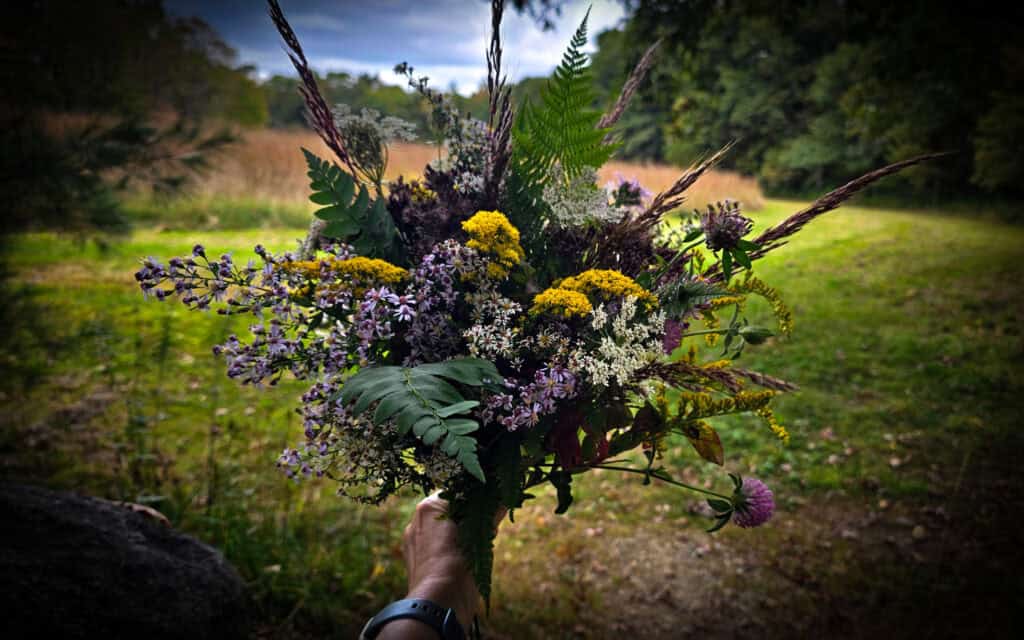
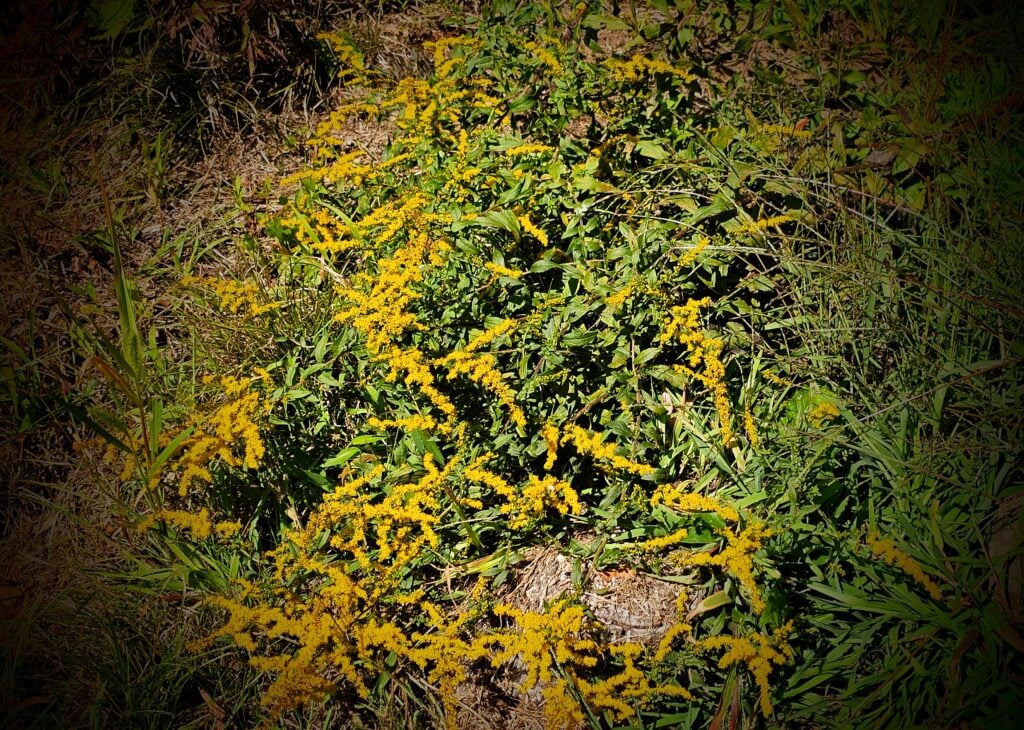
The mornings arrive wrapped in cool mist. Goldenrod catches the first light of day. Crickets sing more loudly than birds, and the shadows stretch just a little farther across the landscape. Nothing changes overnight, yet everything feels different.
September has always been one of my favorite months for nature study because it reminds us that the most meaningful changes are often the quiet ones. Autumn doesn’t rush in. It unfolds slowly—one leaf, one cool morning, one migrating bird, one fallen acorn at a time. That’s really the heart of a good September nature study practice: learning to catch the small shifts before the season announces itself all at once.
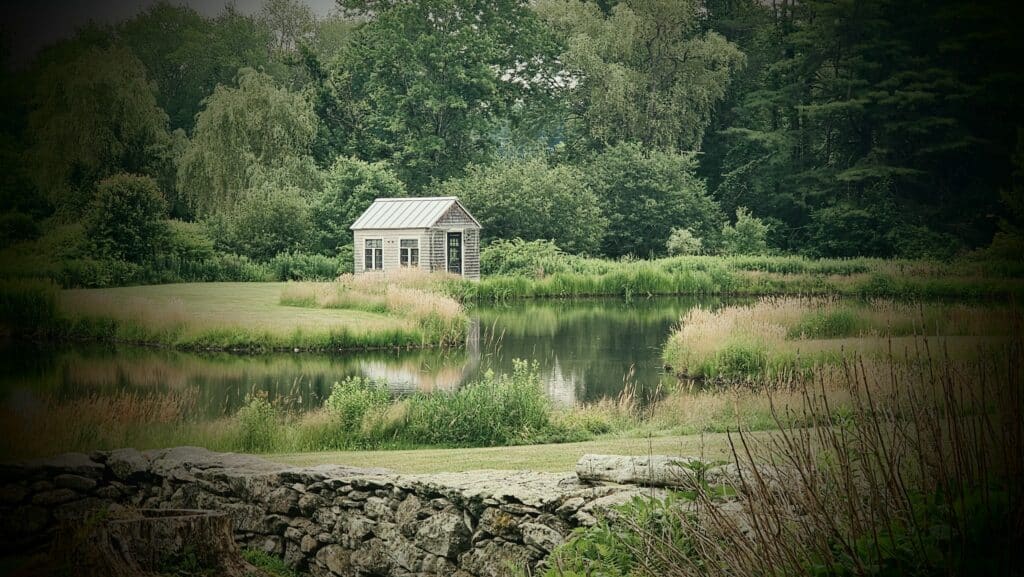
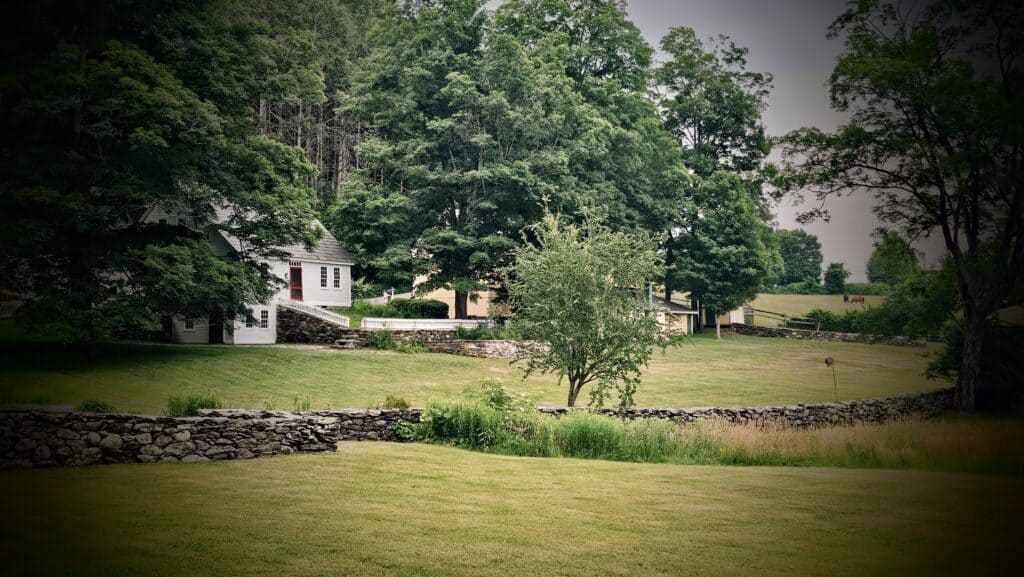
This September feels especially meaningful for me because we’ve recently moved to a new home nestled among forests, stone walls, and rolling hills in northeastern Connecticut. After years of knowing every corner of my former homestead, I’m once again becoming a student of a new landscape.
One of the things I love most about this property is that it’s surrounded by protected natural areas. Across the road lies an expansive nature preserve with wooded trails, streams, and a series of beautiful waterfalls tucked into a rocky ravine. The property itself is bordered by mature forest, offering endless opportunities to observe wildlife, seasonal changes, and the subtle rhythms of the land.
Nearly every morning I head out to explore nearby trails or simply wander the edges of the woods. Each walk introduces me to something new—a stand of witch hazel preparing for its unusual autumn bloom, mushrooms pushing through damp leaf litter after rain, migrating birds gathering overhead, or the first sugar maple quietly blushing red while the surrounding forest still wears its summer green. Even the goldenrod lining the trail edges seems to know something is shifting, its golden plumes standing in for the last light of summer.
Starting over in a new place has reminded me of something important: nature study isn’t about already knowing the names of every plant or bird. It’s about learning to notice.
Every landscape has a story to tell if we’re willing to return often enough to listen.
What Is Nature Study?
Nature study is the simple practice of slowing down and paying close attention to the living world around you. Rather than moving quickly through a landscape, you become an observer—asking questions, noticing patterns, recording seasonal changes, and allowing curiosity to guide your walks.
You don’t need expensive equipment or years of experience. A notebook, comfortable shoes, and a willingness to look a little closer are enough. If you’d like a more structured way to begin, nature journaling is one of the simplest entry points into a regular September nature study rhythm.
One of the greatest gifts of nature study is that it encourages us to return to the same places throughout the seasons. Familiar trails become richer with each visit. Trees become recognizable neighbors. Birds become expected seasonal guests. Small changes that once escaped your attention become impossible to miss. Choosing a dedicated sit spot nearby is one of the easiest ways to build this kind of returning practice into your week.
Scientists call this developing a “sense of place”—a deep familiarity with the landscape that grows through repeated observation. It’s one of the most rewarding ways to connect with the natural world, no matter where you live.
25 September Nature Study Ideas
- Watch the first trees begin changing color. Which species turn first?
- Observe how the quality of sunlight has changed since August.
- Spend two minutes listening before you begin walking.
- Watch pollinators visiting blooming goldenrod.
- Find asters beginning their late-season display.
- Look overhead for migrating birds.
- Notice spider webs sparkling with morning dew.
- Start a small collection of fallen leaves.
- Compare this year’s acorn or nut crop with previous years.
- Watch squirrels busily preparing for winter.
- Look for mushrooms after autumn rain (admire unless you’re certain of identification).
- Feel the soil and notice how it has cooled.
- Walk the same trail each week and record what changes.
- Watch butterflies feeding on late-season flowers.
- Notice seed heads replacing summer blooms.
- Spend ten quiet minutes sitting beside one tree.
- Look for animal tracks, feathers, nests, or other signs of wildlife.
- Record sunrise or sunset colors in your journal.
- Notice how the scent of the woods has changed.
- Compare sunny and shady areas.
- Sketch an interesting leaf, mushroom, or seed pod.
- Listen to evening crickets and katydids.
- Watch how autumn winds move through the trees.
- Write a page in your nature journal after every walk.
- End each outing by asking one new question about what you observed.
September Nature Journal Prompts
If you’re unsure what to write after your walks, begin with these gentle questions (and if you’d like more, I’ve gathered a full set of nature journal prompts for exactly these moments):
- What feels different about this landscape than it did last month?
- Which tree drew my attention today?
- What signs tell me autumn has begun?
- What sounds stood out the most?
- Which animals seemed busiest?
- What surprised me?
- How did spending time outdoors change my mood?
- What seasonal changes am I noticing in myself?
Learning a New Landscape
Moving has given me the rare opportunity to become a beginner again.
For decades, I knew my old homestead so well that I could anticipate exactly when certain wildflowers would bloom, where the spring peepers would gather, and which trees turned color first each autumn.
Now I’m starting over.
Each walk is an introduction. I’m learning where morning fog settles first, which hills catch the afternoon sun, where mushrooms appear after soaking rains, and which quiet corners invite me to linger.
I’m discovering that one of the greatest joys of nature study is allowing a place to reveal itself slowly. You can’t rush that relationship. It develops through repeated visits, patient observation, and a willingness to notice details that might otherwise go unseen. Following nature’s calendar through the year has helped me hold onto this same practice season after season, wherever I happen to be living.
As the seasons pass, unfamiliar paths become familiar ones. Favorite trees emerge. Wildlife patterns become recognizable. A landscape that once felt new gradually becomes home.
A Gentle Invitation
This September, choose one place.
It could be your backyard, a neighborhood park, a local nature preserve, a woodland trail, or even a quiet corner of your garden.
Visit it once each week throughout the month.
Walk slowly.
Bring a notebook.
Pay attention.
By the end of September, you’ll likely discover that you’ve gained more than a list of observations. You’ll have begun building a relationship with that place—one rooted in curiosity, familiarity, and a deeper awareness of the changing seasons. That, in the end, is what a September nature study practice is really for—not a checklist to complete, but a habit of attention you can carry with you all year long.
And that, perhaps, is the greatest lesson nature study has to offer.
More to Explore
If this article inspired you to slow down and notice the quiet beauty of September, these related reads will help you deepen your connection with the changing season and the natural world around you.
- Summer Nature Study: 25 Ways to Observe, Slow Down, and Deepen Connection – Continue your year-round nature study practice with simple seasonal observations that encourage curiosity and mindful attention.
- Nature Journal Prompts for a Deeper Connection to Place – Thoughtful prompts to help you record seasonal changes, ask better questions, and build a lasting relationship with the places you explore.
- Keeping a Nature Journal: A Gentle Way to Build Relationship with the Natural World – Learn how a simple notebook can become one of your most valuable tools for observing seasonal rhythms and strengthening your sense of place.
- Goldenrod Folklore: History, Symbolism, and Traditional Uses – Discover the folklore, symbolism, herbal traditions, and seasonal wisdom surrounding one of September’s most iconic wildflowers.
- What to Forage in July in New England – Learn to recognize many of the edible and medicinal plants that continue to shape the landscape as summer gives way to autumn.
Don't Forget to Subscribe to Our Newsletter

Are you passionate about connecting with nature and exploring the world of herbal remedies? Join our community by subscribing to our weekly newsletter! As a subscriber, you’ll gain exclusive access to our members-only freebie and resource library, packed with valuable guides, recipes, and tips for living a more natural and sustainable lifestyle, closer to nature.
