The Outdoor Apothecary is reader-supported. When you buy through links on our site, we may earn an affiliate commission. Learn more
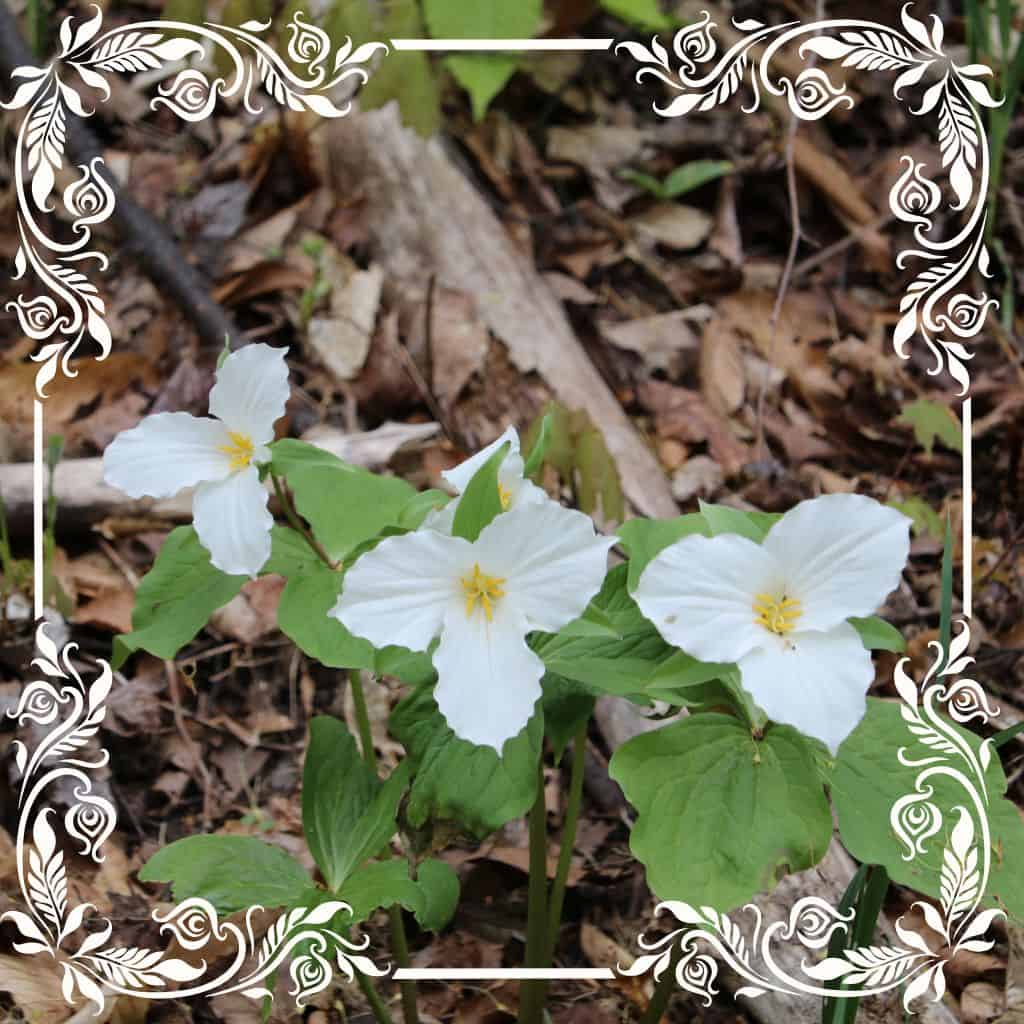
Trillium is one of those native flowers that doesn’t shout for attention. It isn’t flashy or abundant in the way that some spring blooms are. You have to be willing to look for it. You have to slow your pace a little. And I think that’s part of what makes finding it feel so special.
It grows in rich deciduous forests, often in dappled shade, where the earth is damp and the leaf litter is thick from seasons past. Around here in the Northeast, seeing trillium in bloom always feels like a sign that the spring season has truly settled in. The woods are breathing again. And there, among the moss and ferns and fallen leaves, is trillium.
When I spot it, my first instinct is to reach for my phone and take a photo. Part of it is practical—I like having a reference to return to when I sit down with my nature journal and try to capture the season on paper. But if I’m honest, part of it is also a way of holding onto something I know is fleeting. Trillium is considered a spring ephemeral, here and gone in a short time, and taking a photo feels like a quiet acknowledgment that I was there, that I noticed it.
There’s no urge to pick it or bring it home. Just a quiet minute to take it in before I keep walking.
That feels like the right response to trillium.
The Meaning Hidden in Threes
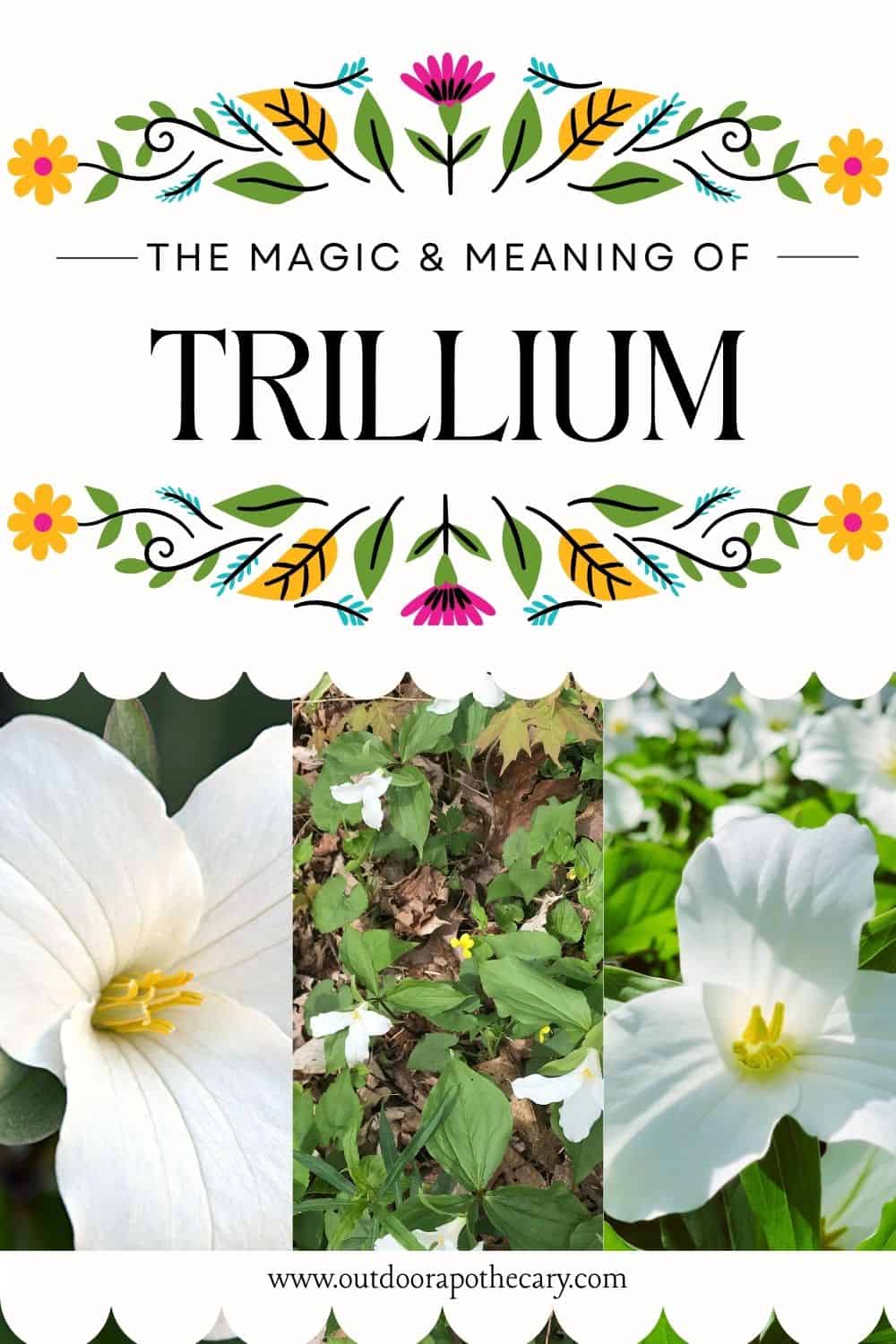
One of the things I love sharing about trillium is its structure. Everything about the plant comes in threes — three leaves, three petals, three sepals. Even the name, trillium, reflects it.
I’ve always been drawn to plants that seem to hold symbolism in their very shape, and trillium is one of them. The number three carries so much meaning across traditions and belief systems. It can speak to balance, harmony, and wholeness. It can bring to mind body, mind, and spirit, or land, water, and sky, or the past, present, and future all held together.
When I look at trillium, I see a kind of quiet completeness in it.
Nothing about it feels excessive. It is simple, balanced, and whole in the most natural way. It reminds me that nature so often reflects truths we can feel even if we don’t have words for them right away.
What does that pattern of three bring up for you?
Trillium and the Wisdom of Restraint
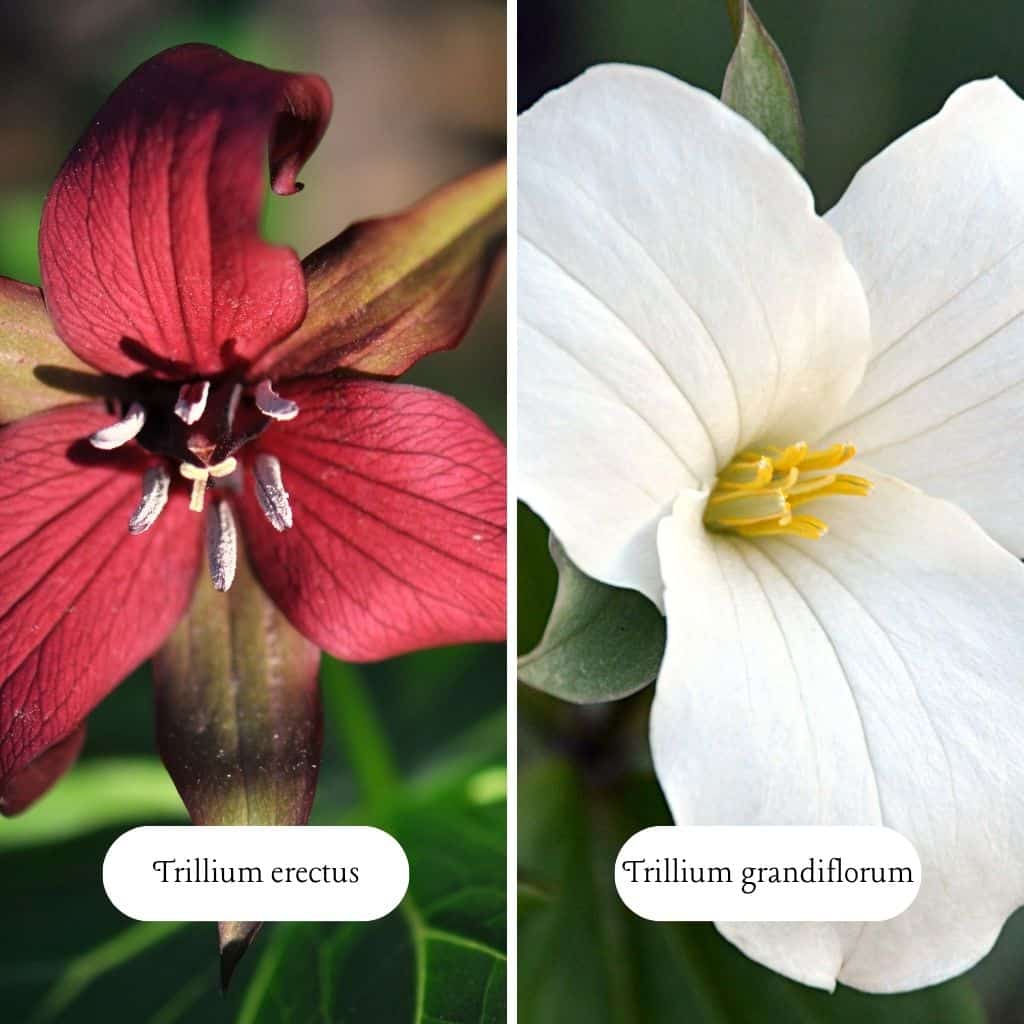
Trillium has a long history of use in traditional plant medicine. Some species (especially T. erectum) were used to support women’s health — particularly around childbirth — which is how it earned the common name birthroot. As a member of the Chaubunagungamaug Band of Nipmuck Indians, I have a deep appreciation for that kind of ancestral plant knowledge. It represents generations of careful observation and relationship with the land. It deserves to be treated with respect, not just curiosity.
And that brings me to something I feel strongly about: trillium is not a plant to pick casually.
A single trillium plant can take years to produce its first bloom. It’s slow-growing, and in many areas it’s vulnerable. My general practice with wild plants is that I don’t harvest anything unless it’s growing in true abundance or it’s an invasive species. Trillium is neither. It stays in the ground, where it belongs, as part of the larger life of the forest around it.
This is something I think about with a lot of plants, honestly — that reciprocity isn’t only about what we gather. It’s also about what we choose to leave behind.
A Symbol of Renewal
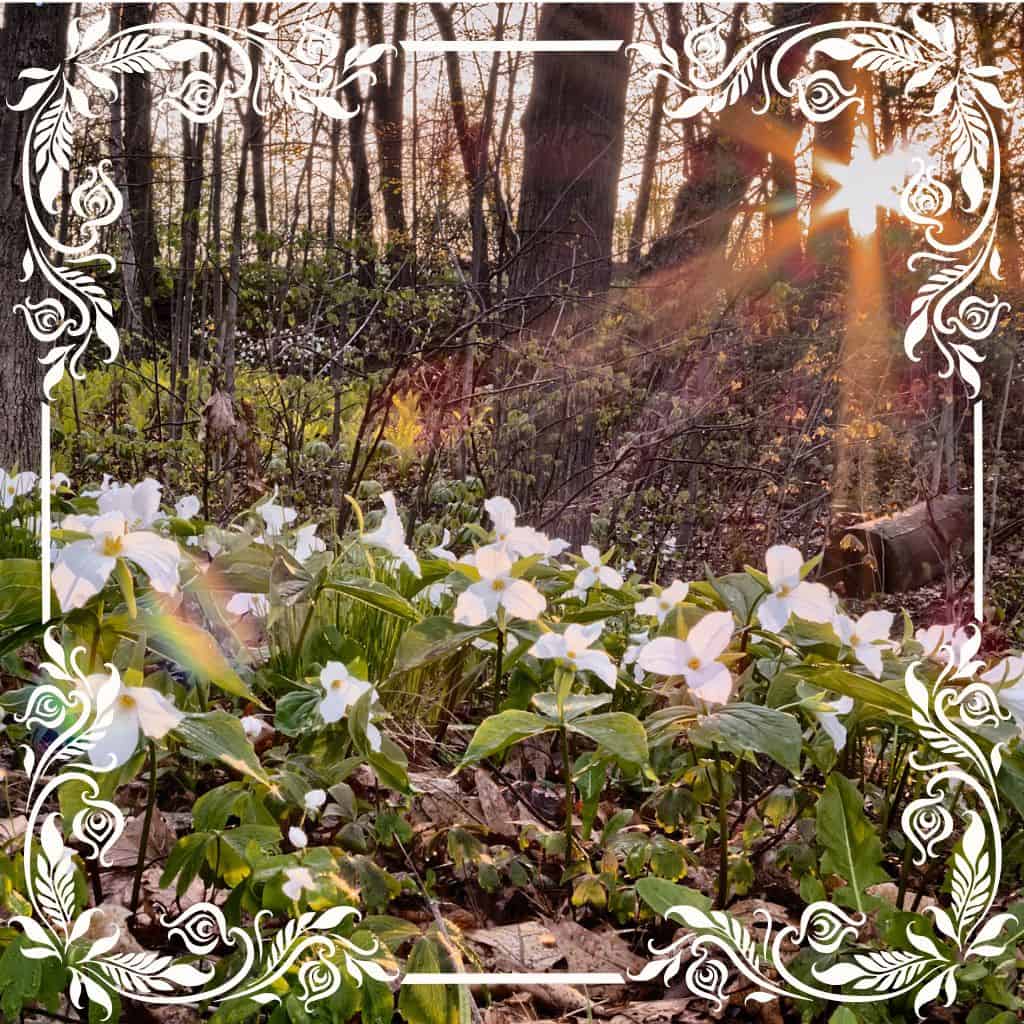
Because trillium blooms in spring, it naturally carries the energy of renewal and return. It rises from the forest floor after winter, blooming during that tender window when everything feels fresh and full of possibility.
There is something deeply comforting about that.
After a long New England winter, I always find myself hungry for signs that the earth is truly waking up again. The first unfolding leaves, the return of birdsong, the scent of damp soil, the appearance of spring wildflowers—these things feel like reassurance. They remind me that life is always returning, even after the stillness and hardship of winter.
Trillium feels especially meaningful in that way because it is both delicate and enduring. It appears softly, but it has strength in its rootedness. It returns again and again, not with fanfare, but with grace.
I think that’s part of its magic.
It reminds me that renewal doesn’t always arrive dramatically. Sometimes it comes quietly, almost unnoticed at first, and asks only that we pay attention.
What are the first signs of deep spring where you live?
The Magic of Noticing
I think the reason trillium stays with me the way it does is that finding it always requires me to slow down. You don’t spot it while you’re moving fast or thinking about something else. You find it in the moments when you’re actually present on the trail — eyes open, pace easy, willing to let the woods show you what’s there.
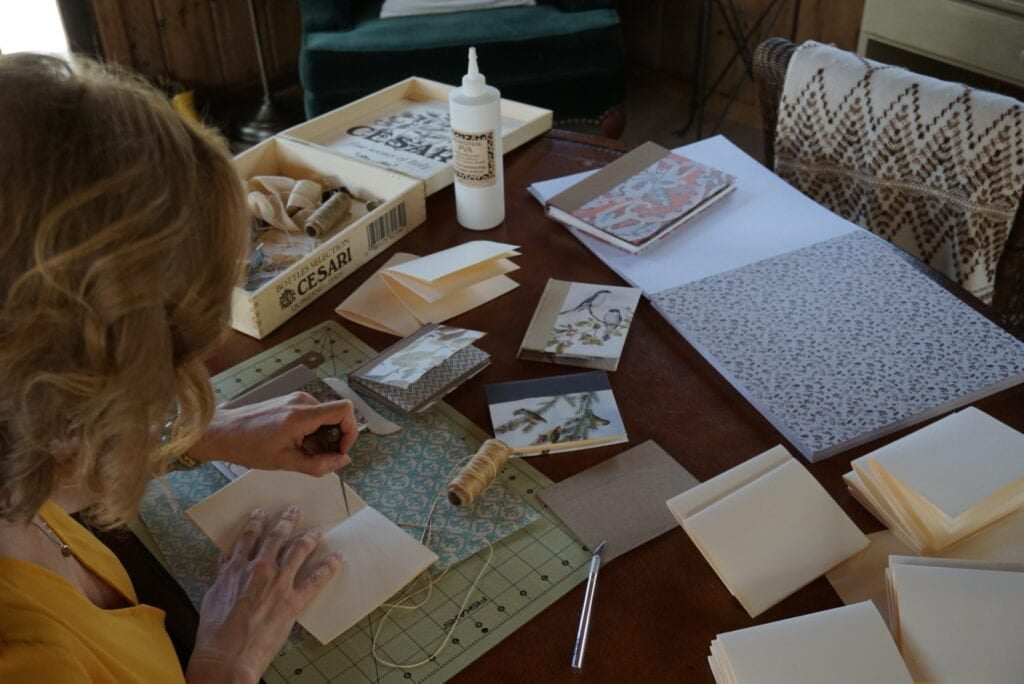
I take my photos and notes in the field and usually do my journaling at home, working from the images, notes, and whatever I can still hold in memory from the walk. That combination — the quick capture and the slower reflection — is part of how I actually absorb what I’ve seen. If you’ve never tried keeping a nature journal, spring is honestly the best time to start. There’s so much to notice and it all moves fast.
Trillium is a good teacher for that. It doesn’t ask much. Just that you pay attention.
A Soft Ending to Spring
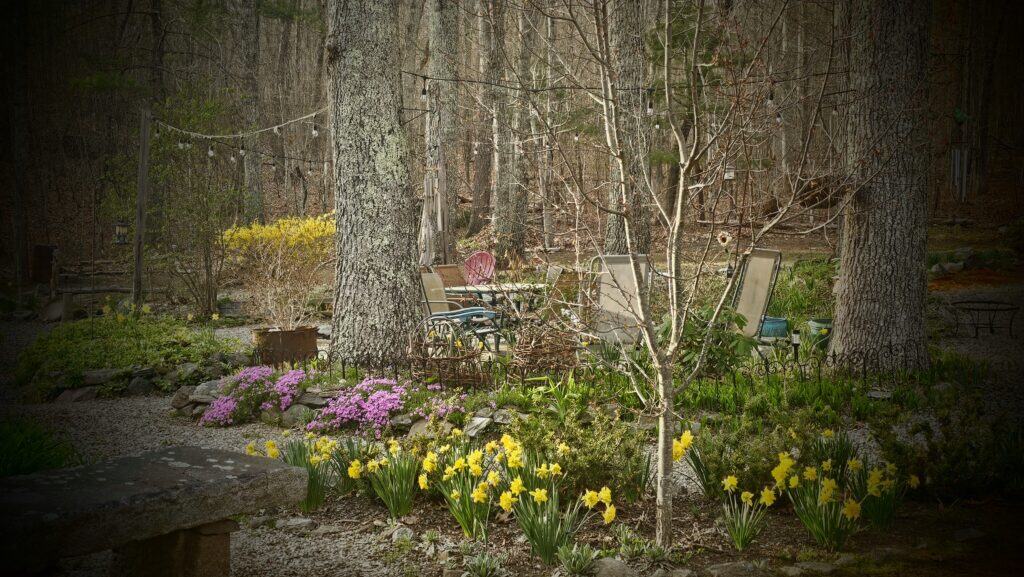
By the time trillium is blooming, spring feels like it has weight to it. The early, tentative weeks are behind us. The season has committed. And trillium belongs exactly to that moment — not urgent, not showy, just quietly present.
If you’re in Connecticut and you spend any time in the woods this May, keep an eye out for it. Walk slowly. Look toward the shadier spots, where the leaf litter is deep and the light comes through in patches. You might walk past it a dozen times before you see it.
But when you do, I think you’ll understand why it’s worth stopping for.
And if you want to capture it — bring your phone, take your photo, and maybe let that be the start of something. A nature journal entry. A slower walk. A habit of noticing.
Some of the best things in the woods ask very little of us. Trillium is one of them.
More to Explore
If you enjoy reflecting on the deeper meaning of native plants and the quiet wisdom of the natural world, you might also like:
- The Magic and Meaning of Lilacs
A look at the nostalgia, folklore, and beauty of one of spring’s most beloved blossoms. - Living Fully Connected to Place
Thoughts on deepening your relationship with the land beneath your feet and finding a greater sense of belonging. - New England Aster Tea
A beautiful native plant with seasonal charm and gentle herbal uses. - Edible Flowers of the Northeast
A lovely companion for the second half of May and early June, when gardens and wild edges begin offering some of spring’s most beautiful and useful blossoms. - Spring Equinox Rituals
A gentle way to honor the energy of spring’s return and reconnect with the season as the earth awakens. - Earth Medicine
A grounding post for this time of year, when the pull to be outside, tend the garden, and reconnect with the living world feels especially strong.
Don't Forget to Subscribe to Our Newsletter

Are you passionate about connecting with nature and exploring the world of herbal remedies? Join our community by subscribing to our weekly newsletter! As a subscriber, you’ll gain exclusive access to our members-only freebie and resource library, packed with valuable guides, recipes, and tips for living a more natural and sustainable lifestyle, closer to nature.
Disclaimer:
The Outdoor Apothecary website is intended for informational purposes only and should not be considered a substitute for professional medical advice. The information provided is not intended to diagnose, treat, cure, or prevent any disease. While we strive to provide accurate and up-to-date information, it is the reader’s responsibility to ensure proper plant identification and usage.
Please be aware that some plants are poisonous or can have serious adverse health effects. We are not health professionals, medical doctors, or nutritionists. It is essential to consult with qualified professionals for verification of nutritional information, health benefits, and any potential risks associated with edible and medicinal plants mentioned on this website.
