
The Outdoor Apothecary is reader-supported. When you buy through links on our site, we may earn an affiliate commission. Learn more
As someone who values self-sufficiency and enjoys creating things from scratch, I’m always looking for ways to replace store-bought items with homemade alternatives. One of the simplest and most rewarding kitchen staples to make at home is self rising flour. Not only does it save money, but it also gives me control over the freshness and quality of the ingredients I use.
If you’ve ever wondered how to make self rising flour, I’m here to show you just how easy it is. With just three ingredients you probably already have in your pantry—flour, baking powder, and salt—you can create a fresh batch of self rising flour in minutes.
In this guide, I’ll walk you through the process step by step, explain why it works, and share tips to ensure consistent results. Ready to get started? Let’s dive in!
What Is Self Rising Flour?
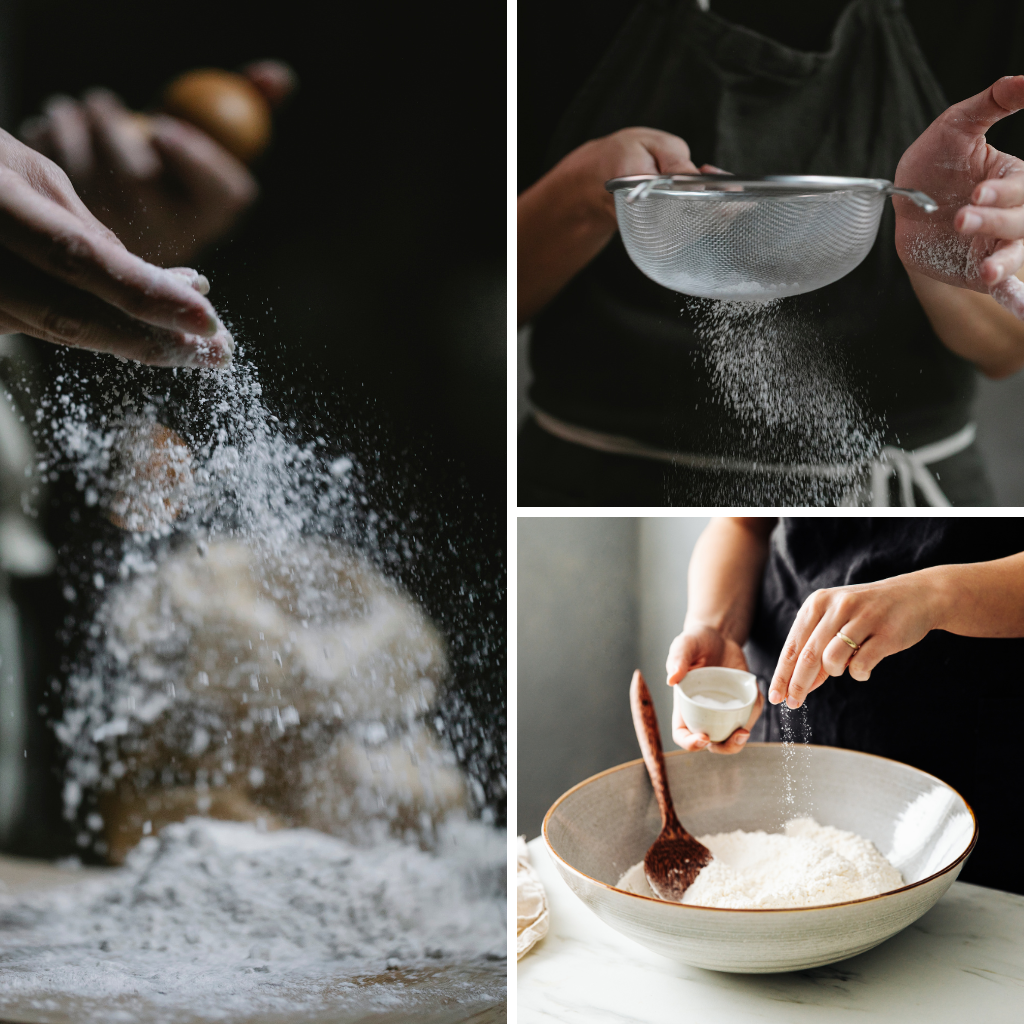
Before learning how to make self rising flour, it helps to understand exactly what it is. Self rising flour is simply a mixture of all-purpose flour, baking powder, and salt. The baking powder acts as a leavening agent, giving your baked goods a light and fluffy texture without the need for additional ingredients like yeast.
This type of flour is a staple in quick recipes like biscuits, pancakes, and quick breads—basically, anything that needs a bit of rise but doesn’t require a long proofing time. It’s convenient because it eliminates the need to measure out leavening agents every time you bake, which is why many people keep it on hand.
But here’s the thing: you don’t need to buy pre-packaged self rising flour. Making it yourself is incredibly easy and allows you to customize the quantity you need.
Ingredients Needed to Make Self Rising Flour
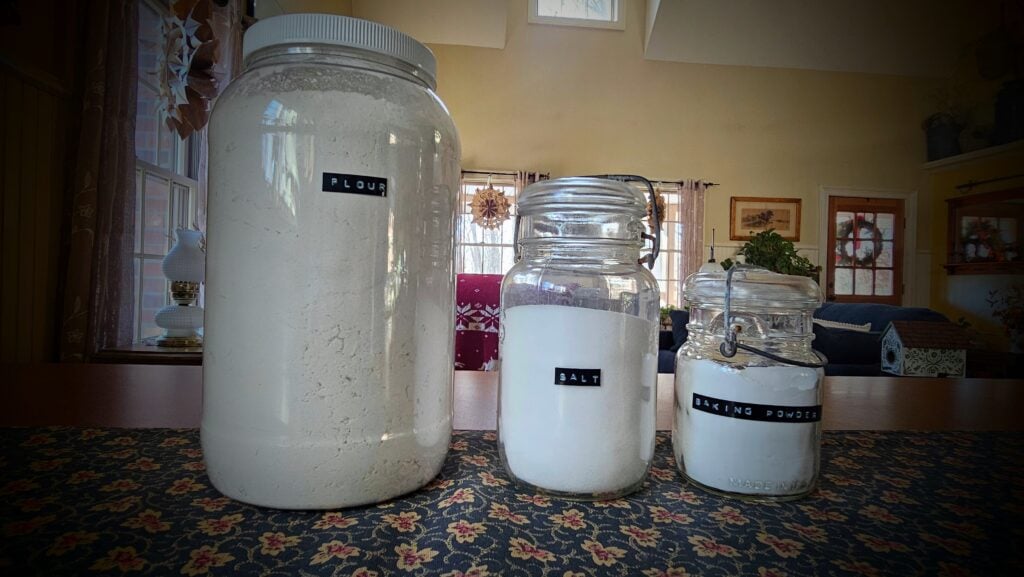
One of the best things about making self rising flour at home is that it requires only three ingredients:
- All-Purpose Flour: The foundation of your self rising flour. It’s versatile and works well for most baking recipes.
- Baking Powder: The leavening agent responsible for helping your baked goods rise.
- Salt: Adds flavor and helps balance the sweetness in baked goods.
For the perfect balance, use the following ratio:
- 1 cup of all-purpose flour
- 1 ½ teaspoons of baking powder
- ¼ teaspoon of salt
These proportions replicate the performance of store-bought self rising flour and ensure your baked goods turn out light, fluffy, and delicious.
How to Make Self Rising Flour: Step-by-Step Guide
Now that you know what goes into self rising flour, here’s exactly how to make self rising flour in just a few simple steps:
Step 1: Measure the Ingredients
Start by accurately measuring your ingredients. For every cup of self rising flour, you’ll need:
- 1 cup of all-purpose flour
- 1 ½ teaspoons of baking powder
- ¼ teaspoon of salt
Accuracy is key in baking, so be sure to use dry measuring cups and measuring spoons for the best results.
Step 2: Combine the Ingredients
Place the measured flour, baking powder, and salt in a medium-sized mixing bowl. Stir them together lightly to begin the blending process.
Step 3: Sift Twice
Using a fine mesh strainer or a flour sifter, sift the mixture into a separate bowl. Then, pour it back into the sifter and sift it again. Double sifting ensures the ingredients are evenly distributed and free of clumps, which is important for consistent baking results.
Step 4: Store or Use Immediately
Your homemade self rising flour is now ready to use! If you don’t need it right away, store it in an airtight container in a cool, dry place. Properly stored, it will stay fresh for up to a month.
Common Mistakes to Avoid
While making self rising flour is simple, there are a few common mistakes to watch out for:
1. Incorrect Measurements
Even slight variations in the measurements of baking powder or salt can affect your results. Always use the precise ratio to ensure your self rising flour performs perfectly.
2. Skipping the Sifting Step
Sifting may seem like an unnecessary extra step, but it’s essential for evenly distributing the baking powder and salt. Skipping this step can lead to uneven rising or pockets of salt in your baked goods.
3. Using Stale Baking Powder
Baking powder loses its potency over time, which can result in flat, dense baked goods. Be sure to use fresh baking powder and check its expiration date before mixing.
4. Storing Improperly
Homemade self rising flour can absorb moisture or odors if not stored correctly. Always keep it in an airtight container in a dry, cool place.

How to Use Self Rising Flour in Recipes
Now that you’ve made your own self rising flour, it’s time to use it! This versatile ingredient works best in recipes where a quick rise is needed. Here are some ideas to get you started:
- Biscuits: Self rising flour is the key to soft, flaky biscuits. Pair it with cold butter for the best texture.
- Pancakes: Achieve light and fluffy pancakes by using your homemade blend.
- Quick Breads: Banana bread, cornbread, or zucchini bread are perfect matches for self rising flour.
- Fried Foods: Use self rising flour as a coating for fried chicken or vegetables to create a crispy crust.
- Cakes and Muffins: Simple sponge cakes and muffins benefit from the tender texture self rising flour provides.
When substituting self rising flour in recipes that call for all-purpose flour, remember to omit the baking powder and salt, as they’re already included in your blend.

Explore More Homesteading Skills and Recipes
If you loved this guide on how to make self rising flour, be sure to check out some of our other articles on homesteading and self-sufficiency. At The Outdoor Apothecary, we’re passionate about sharing knowledge to help you live a more intentional, self-reliant lifestyle. Here are a few reader favorites:
- Making Country Wines: Super Easy 6 Step Method
- Homemade Elderberry Syrup Recipe for Immune Support
- How to Make Herbal Infused Oils for Salves and Skincare
- Valuable Homesteading skills: Cold Process Soap Making
- How to Make Wild Violet Jelly
- Canning Basics 101 for Successful Food Preservation
- Living a Life of Self Sufficiency: Resources for Beginners
By exploring these articles, you’ll discover more ways to live in harmony with nature, develop new skills, and embrace the homesteading lifestyle.
Don’t forget to bookmark our site and sign up for our newsletter to stay updated on our latest articles, recipes, and tips for living a self-sufficient life!
As an Amazon Associate, I earn from qualifying purchases.
