The Outdoor Apothecary is reader-supported. When you buy through links on our site, we may earn an affiliate commission. Learn more
Best Foods to Dehydrate
In this article, I will be discussing the best foods to dehydrate and why this method of food preservation is so appealing.
There’s something satisfying about lining your pantry shelves with food you’ve grown, harvested, and preserved with your own two hands. As someone who tries to live in tune with the seasons, I’ve found food dehydration to be one of the simplest ways to preserve the abundance that nature offers us. Whether it’s a basket of sun-warmed tomatoes, wild black raspberries picked in midsummer, or a generous harvest of herbs from the garden, dehydrating helps me savor those flavors and nutrients all year long.
Dehydrating is especially dear to my heart because it feels like such an old-world practice—gentle, slow, and rooted in tradition. It requires no electricity to store, takes up little space, and is incredibly versatile. It’s also a wonderful way to reduce waste and make sure nothing from the garden or foraging walk goes unused.
If you’re looking to build a self-reliant pantry or just want to preserve the beauty of your harvests, this guide will walk you through some of the best foods to dehydrate and how to use them throughout the year.
Why Dehydrate Food?
In a world where so much depends on refrigeration and freezers, dehydration offers a refreshingly simple and self-reliant alternative. You can even harness the power of the sun to dry your harvest the old-fashioned way—but today, I’m using a dehydrator for ease and consistency. I love knowing I can preserve food in a way that honors their flavor, their nutrients, and the energy of the season—without relying on electricity for long-term storage.
Dehydrating is also incredibly budget-friendly. It allows me to preserve not only what I grow or forage, but also surplus from local farms and co-ops. I often buy in bulk during the peak of the season and dehydrate what I can’t use fresh. That means I always have dried strawberries for winter oatmeal, herbal teas for cold evenings, and soup mix ingredients at the ready.
There’s also the joy of knowing what’s in your food—no preservatives, no hidden additives.
Getting Started: Tools for Dehydrating
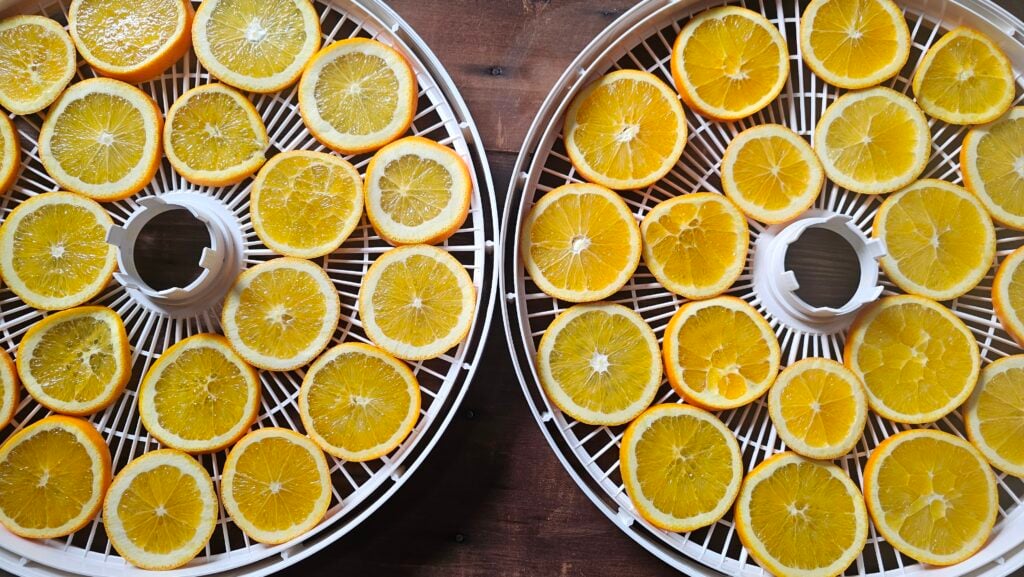
My journey into food dehydration started simply—with orange slices drying on a baking sheet in the oven. I was making a Yule garland, and I remember being completely enchanted by how vibrant the colors remained. That one craft project was all it took—I was hooked. Shortly after, I invested in a dehydrator, and it’s been a staple in my kitchen ever since.
If you’re just getting started, know that you don’t need fancy equipment to begin. An oven on its lowest setting can work well for many fruits and herbs. But if you find yourself drying regularly, a quality dehydrator is worth every penny. I use mine constantly for drying herbs for tea blends, making fruit leather (like my favorite autumn olive leather), and preserving extra produce that would otherwise go to waste.
Here are a few tools I’ve found helpful:
- Dehydrator: Look for one with adjustable temperature settings and good airflow. Mine gets a workout from spring through fall.
- Mandoline slicer or sharp knife: Uniform slices make for even drying.
- Silicone sheets: Especially useful for fruit leathers and sticky items.
- Glass jars or vacuum-sealed bags: Once your goods are dried, you’ll want to store them in airtight containers away from heat and light.

Best Fruits to Dehydrate
Fruit is one of the easiest and most satisfying things to dehydrate—especially when it’s in abundance and ripening faster than you can eat it fresh. Every year, I seem to end up with more fruit than I can possibly keep up with in the moment, and that’s where my dehydrator shines.
Pears
Pears are hands-down one of my favorite fruits to dehydrate. A friend of mine generously shares the bounty from their tree every year—so many that there’s no way we could eat them all fresh before they spoil. Sliced thin and dried, they become chewy, sweet, and perfect for adding to trail mix or tossing into a lunchbox. I always look forward to pear season just for this reason.
Autumn Olives
If you’ve ever foraged autumn olives, you know how prolific (and tart!) they can be. I love turning them into fruit leather. There’s something magical about transforming those tiny, puckery berries into a sweet, tangy snack that stores beautifully. It’s become a yearly ritual, and now I can’t imagine autumn without a batch or two of autumn olive leather drying on my trays.
Apples
I also love dehydrating apples from my own trees. A sprinkle of cinnamon turns them into a comforting snack for the colder months. If you’ve got bruised or less-than-perfect apples, drying them is a great way to keep them from going to waste.
Citrus Slices
Citrus is another favorite—especially oranges. My very first dehydration project was drying orange slices for a Yule garland, and I was amazed at how vibrant and beautiful they remained. Since then, I’ve used dried citrus not only for decorations but also in my herbal tea blends. A slice of dried lemon or orange adds such a bright, refreshing note to winter teas.
Peaches and Nectarines
When these stone fruits are in season, they barely last a few days on the counter—so into the dehydrator they go. Sliced thin, they turn into naturally sweet, chewy snacks that taste like sunshine. They’re lovely added to hot cereal, trail mix, or even eaten on their own as a treat.
Grapes (Homemade Raisins)
Making your own raisins is easier than you might think. Dehydrating grapes takes a little longer due to their high water content, but the end result is so worth it. Home-dried grapes have a depth of flavor that’s much richer than store-bought raisins. If you ever come across seedless grapes in abundance—either from your own vines or a local farm—don’t pass them up.
Cranberries (Homemade “Craisins”)
Cranberries are tart little powerhouses, and I love dehydrating them for trail mix, baking, or tossing into grain salads. I usually give them a quick blanch and slice them in half before drying to help them release moisture. Sometimes I add just a touch of maple syrup to offset the tartness, but even plain, they pack a punch of flavor.
I don’t grow cranberries, but I do stock up on them every fall when they go on sale—usually around $0.99 a bag. I’ll grab as many as I can and toss them in the freezer until I’m ready to process them. It’s one of those seasonal traditions that feels both practical and indulgent at the same time. Homemade craisins are a small-batch treat I look forward to every autumn.
Berries and More
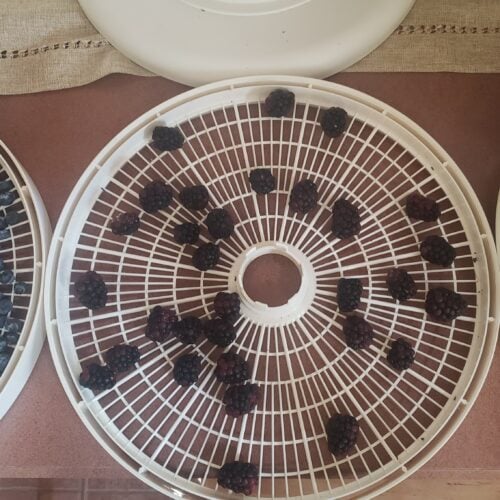
Strawberries, blueberries, raspberries—if I’ve got extra, I dry them. They’re wonderful in homemade granola or wintertime baked goods. Even a handful dried and tucked into oatmeal makes a cozy breakfast feel a little more special.
Best Vegetables to Dehydrate
Vegetables might not seem as exciting as fruit when it comes to dehydrating, but they are incredibly practical. Dehydrated veggies are a homesteader’s dream when it comes to building up a long-term pantry. They’re lightweight, take up minimal space, and rehydrate quickly—perfect for soups, stews, and broth mixes throughout the colder months.
Zucchini and Summer Squash
If you’ve ever grown zucchini, you know it can go from tiny to enormous overnight! Dehydrating is one of my favorite ways to deal with the bounty. I slice zucchini into thin rounds to dehydrate, then use it in soups or savory breads later on. It’s also surprisingly good as a crunchy snack with a little seasoning—sort of like a homemade veggie chip.
Tomatoes
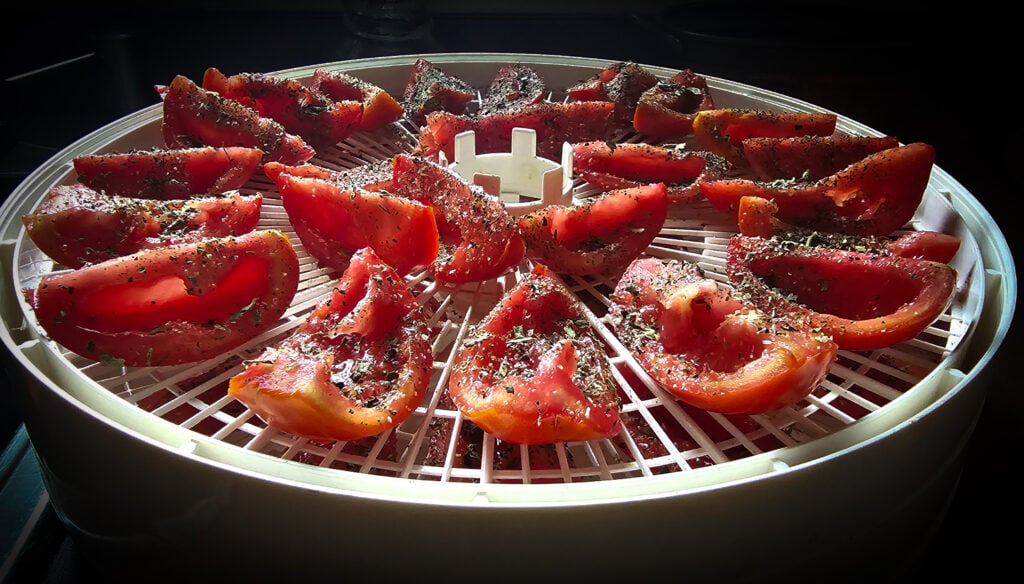
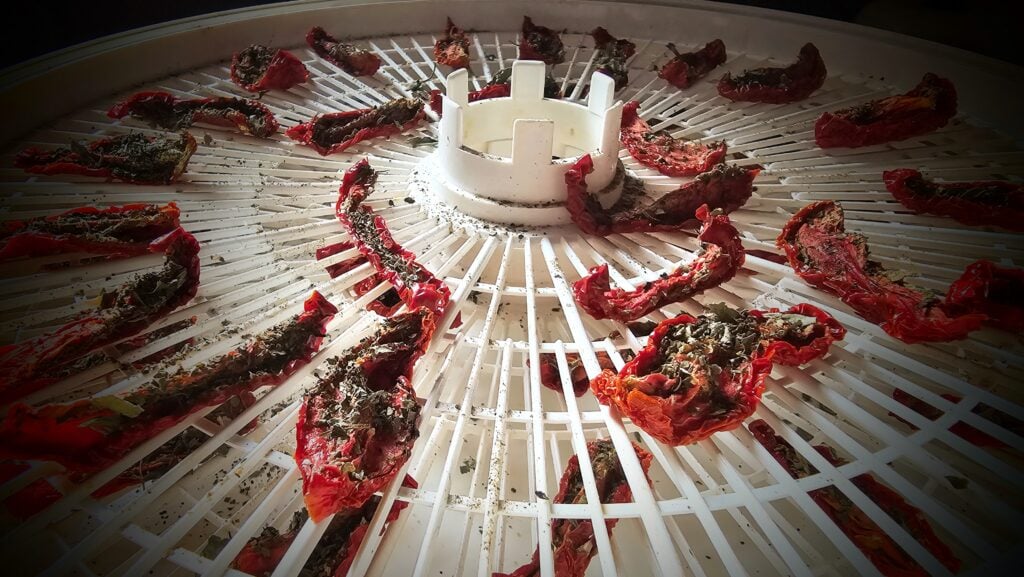
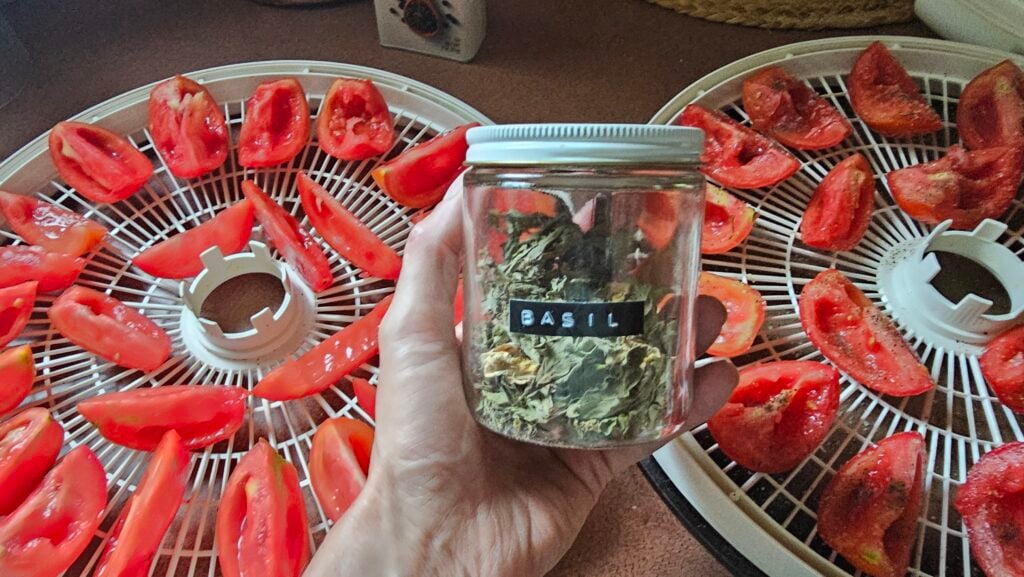
Tomatoes are a summer staple around here, and when the harvest starts rolling in, it doesn’t stop. I love dehydrating cherry tomatoes cut in half or slicing larger ones for drying. They pack a flavorful punch and are perfect for tossing into pasta, salads, or grinding into tomato powder for sauces and spice blends.
Peppers and Onions
These two are dehydrator essentials. I dice or slice sweet peppers and hot peppers alike—some for soups, others for homemade spice blends. Onions can be strong while drying, so I usually do those on a dry day with good ventilation. Once they’re fully dried, I grind some into powder and leave the rest as flakes.
Carrots, Celery, and Green Beans
These are my go-tos for building “soup jars” or emergency meal kits. Dehydrated carrots and celery hold their texture well, and green beans can be added straight to a pot of stew or boiled and buttered for a quick side.
Leafy Greens (Kale, Spinach, Beet Greens)
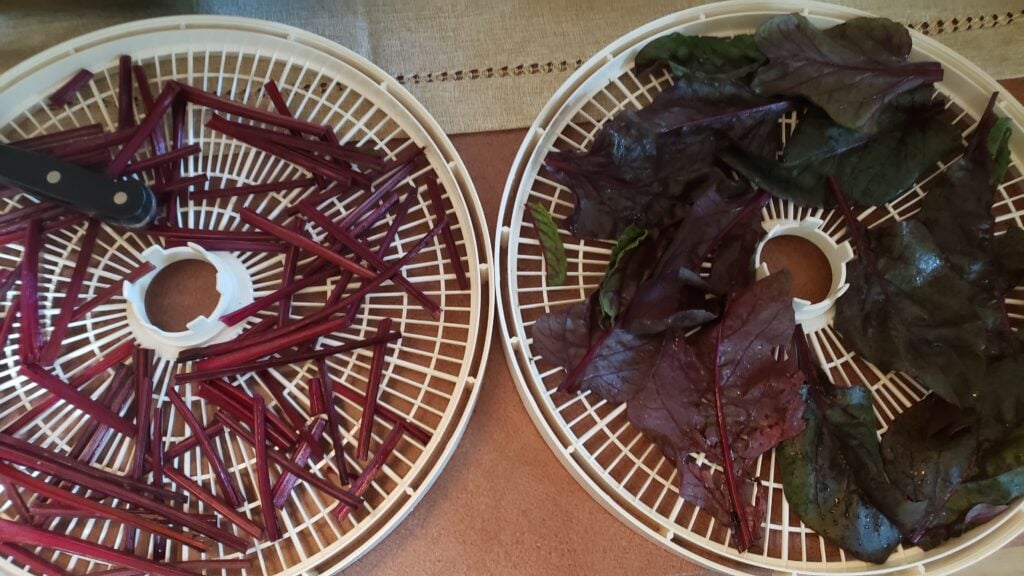
Drying leafy greens is a great way to sneak a little extra nutrition into meals. I blend them into a fine powder and keep it in a jar to stir into smoothies, soups, or even homemade pasta dough. It’s also a great use for garden extras that might otherwise go to waste.
Herbs and Edible Flowers
Drying herbs is something I do almost year-round, and I’ve come to think of it as a ritual more than a task. There’s something peaceful about plucking a handful of lemon balm or mint, bundling it up, and knowing that long after the first frost has taken the garden, I’ll still be able to enjoy its scent and healing gifts.
Herbs are one of the easiest and most rewarding things to dehydrate. They dry quickly, preserve beautifully, and are endlessly useful—from teas and tinctures to seasoning blends and skincare preparations.
Favorite Herbs for Dehydrating
Some of the herbs I grow and dry each year include:
- Mint, lemon balm, and chamomile – my go-to trio for calming tea blends.
- Sage, thyme, rosemary, and oregano – essential for both cooking and immune support.
- Lavender – not only lovely in teas but also in sachets, salves, and sugar blends.
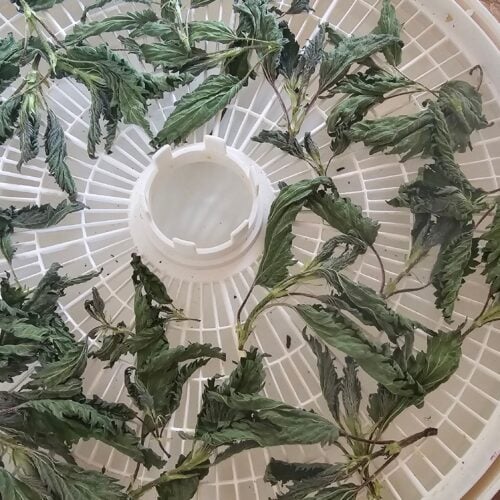
- Nettles – I dry lots and lots of nettles every spring. It’s one of my favorite nourishing herbs and forms the base of the tea blend I drink nearly every day throughout summer.
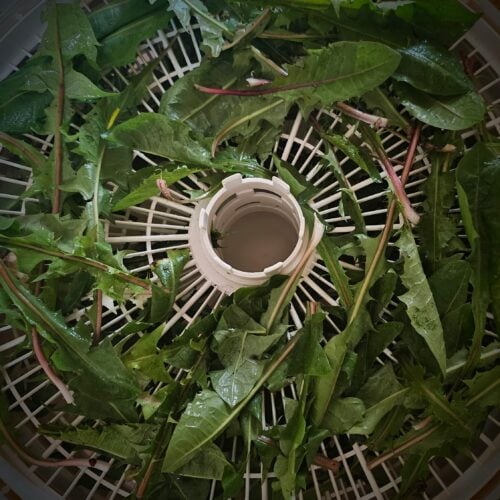
- Dandelion, plantain, mugwort, and red clover – these wild beauties are part of my foraging rhythm. I gather and dry them for their many supportive properties, whether it’s dandelion for gentle liver support or mugwort for dreamwork and spiritual connection.
If I’ve foraged or wildcrafted any seasonal treasures—like yarrow or elderflowers—they get dried and added to my apothecary shelf for tea blends and remedies. These herbs help me feel grounded and connected to place, no matter the season.
Drying Tips
Herbs prefer gentle drying—lower temperatures and good airflow help retain their volatile oils and potency. I usually use my dehydrator’s lowest setting, though sometimes I still hang small bundles in a warm, dry corner just for the old-world charm of it.
I store mine in glass jars, labeled by name and harvest date. Sometimes, just opening a jar of dried lemon balm or nettles in January is enough to lift my spirits and remind me of the warmth of midsummer.
Edible Flowers
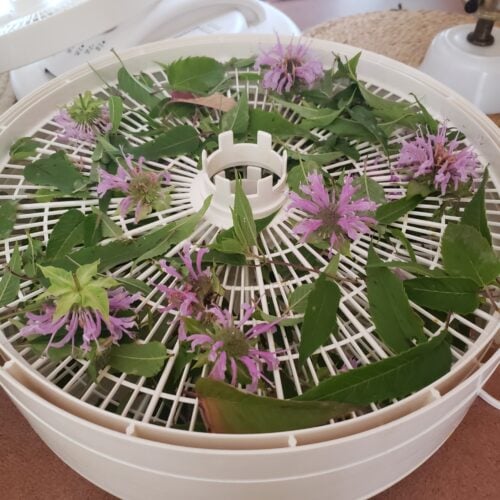
Calendula, chamomile, and rose petals are a few of my favorites. These add color, beauty, and gentle medicine to teas and bath blends. I also dry elderflowers to pair with mint and lemon balm in spring and summer tea blends—a lovely combination for cooling the body and lifting the mood.

Fun and Unexpected Foods to Dehydrate
Once you get into the rhythm of dehydrating, it’s hard not to experiment. I’ve tried drying everything from beet greens to leftover cooked rice, and it’s always a little adventure to see how it turns out. These off-the-beaten-path foods are not only practical, but many of them make excellent snacks, trail food, or pantry staples.
Fruit Leather
Hands down, one of my favorite things to make. Autumn olive fruit leather is a staple in my house. It’s tart, a little sweet, and absolutely delicious. I love how this humble little berry—often overlooked and considered invasive—can be transformed into something nourishing and shelf-stable. You can also make leather from applesauce, pears, strawberries, peaches, or just about any fruit combo you like. A touch of honey and lemon juice goes a long way in enhancing flavor and preserving color.
Zucchini Chips
When the summer squash starts piling up, zucchini chips are an easy go-to. Thinly sliced and sprinkled with a little salt or seasoning, they crisp up beautifully in the dehydrator. They’re the perfect alternative to potato chips and a great way to sneak extra veggies into a snack.
Cooked Beans and Grains
I’ve started experimenting more with cooked legumes like lentils and black beans—dehydrating them and storing them for quick, throw-together soups or trail meals. Even rice and quinoa can be cooked, dried, and rehydrated later with a bit of hot water. It’s a great way to make shelf-stable meals-in-a-jar.
Mushrooms
Foraged or homegrown mushrooms dehydrate wonderfully and keep for a long time. Once dried, I store them in jars and rehydrate them when I want to make mushroom risotto, broth, or a wild rice blend. They hold their umami flavor so well.
Ginger Root
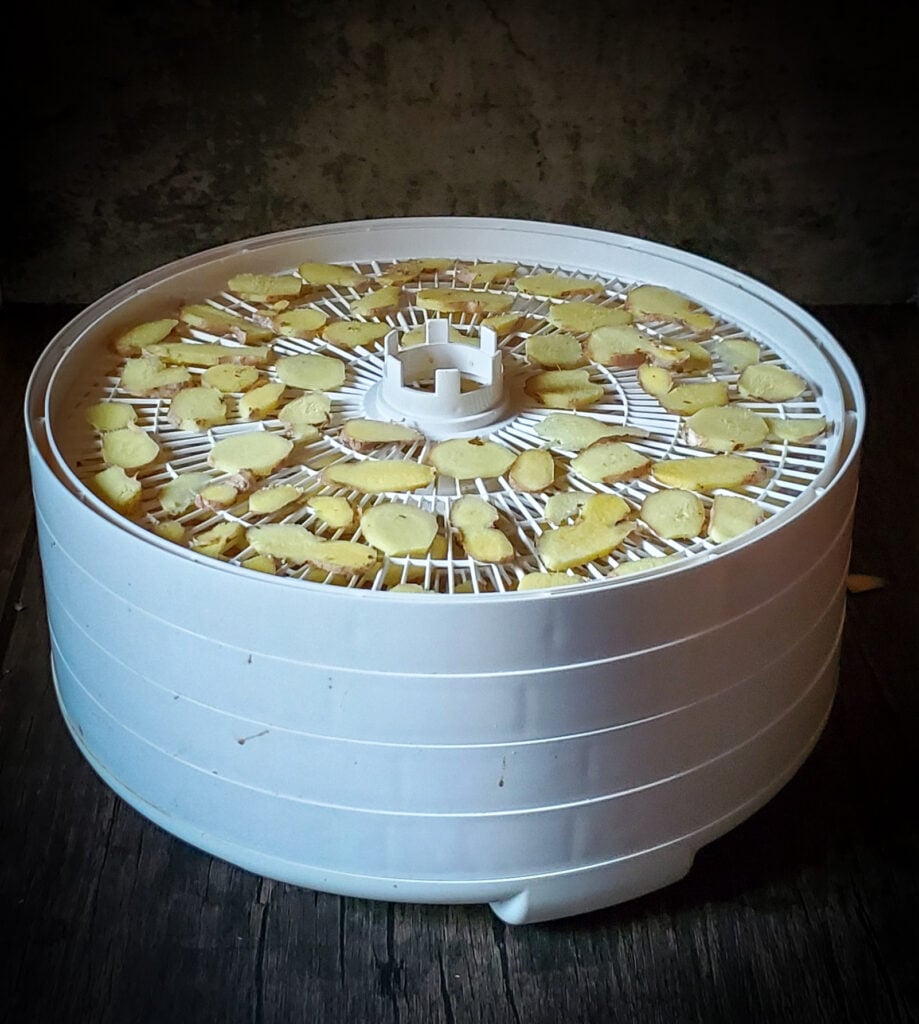
Ginger has become a staple in both my kitchen and apothecary. I usually buy fresh, locally grown ginger from my co-op when it’s in season, and I like to slice it thin and dehydrate it for year-round use. Once dried, it stores beautifully and can be added to tea blends, simmered into broths, or ground into powder for baking and herbal remedies. I especially love adding a piece of dried ginger to my cold-weather teas—it brings a warming, grounding energy that feels like a hug in a mug.
Yogurt Drops or Fruit Purée Drops (for kids or trail snacks)
If you’re feeling creative, try piping spoonfuls of yogurt or thick smoothie purée onto trays and drying them into little melt-in-your-mouth dots. They’re fun for kids (or the kid in all of us) and are perfect to tuck into a hiking bag.
Meat and Jerky
While I don’t often dehydrate meat myself, it’s a great option for those looking to stock a shelf-stable protein source—especially for hiking, emergency preparedness, or a more self-reliant pantry. Homemade jerky is one of the most popular ways to do this. It’s easy to season to your taste, whether you prefer smoky, spicy, or sweet. If you do include meat in your dehydrating routine, just be sure to follow food safety guidelines carefully—most meats need to be precooked or heated to a safe internal temperature before or after drying.
Turkey, beef, venison, or even salmon can be made into jerky. It’s lightweight, nutrient-dense, and makes an excellent travel snack or quick protein boost during busy homestead days.
How to Store Dehydrated Foods
After going through the care of growing, harvesting, and dehydrating, proper storage is the key to making all that effort worthwhile. Dehydrated foods can last months—or even years—when stored properly. And the best part? You don’t need a root cellar or fancy equipment, just a cool, dark, and dry place.
Cool, Dark, and Dry is the Rule
Light, moisture, and heat are the enemies of long-term storage. I keep most of my dehydrated goods in glass jars tucked away in a pantry cabinet, away from direct sunlight or heat sources. Some things, like fruit leathers or snacks, are stored in airtight containers for daily use, while bulk herbs or fruit slices are sealed up for later.
Airtight Containers
I’m a big fan of mason jars. There’s just something soul-satisfying about lining them up on a shelf, each filled with a different color or texture of something I grew or foraged. Vacuum-sealing jars or using oxygen absorbers can extend shelf life even further, especially for things you won’t be using for a while.
For teas, I like to label each jar with the plant name and harvest date. This not only helps me rotate through my stock but also connects me to the rhythm of when it was gathered—was it early spring nettles or midsummer red clover? It becomes a little seasonal journal in jar form.
Label Everything
It might seem obvious, but I’ve learned (the hard way) that what looks like parsley in the moment could actually be dried plantain… Labeling is your best friend, especially if you’re drying a wide variety of herbs and produce.
Tips for Success and Common Mistakes to Avoid
Dehydrating food might be simple, but there are definitely a few tricks I’ve learned along the way to make the process smoother—and to avoid a few classic pitfalls.
Make Sure It’s Completely Dry
This might be the biggest lesson I’ve learned: don’t rush it. It’s tempting to pull things early, especially when the kitchen smells amazing and you’re eager to move on to the next batch—but if your food isn’t completely dry, you’re risking mold. And there’s nothing more disheartening than opening a jar of what was once a beautiful harvest, only to find it spoiled.
Fruits should be leathery or crisp depending on the type, veggies should snap or break cleanly, and herbs should crumble when pinched. I often let things cool down on the trays before deciding if they’re truly done—sometimes they feel drier once they’ve had a moment out of the warm dehydrator.
Cut Uniformly for Even Drying
Whether you’re slicing apples or zucchini, keeping things a consistent size helps ensure even drying. It prevents some pieces from over-drying while others remain damp.
Don’t Overcrowd the Trays
It’s tempting to pack the trays full to save time, especially during peak harvest season—but good airflow is essential. I space things out so the air can circulate, especially when I’m drying juicy fruits like peaches or grapes.
Keep Good Notes
If you’re like me and dry a variety of things throughout the year, it really helps to jot down drying times and temperatures. Every dehydrator behaves a little differently, and keeping notes has saved me a lot of guesswork from season to season.
Rotate the Trays
Not all trays dry evenly—especially in vertical-stack dehydrators. I make it a habit to rotate trays every few hours when drying large batches to keep everything consistent.

Using Your Dehydrated Pantry
Having a well-stocked pantry full of dehydrated foods feels like having a bit of summer tucked into every jar. Whether I’m making a warming soup in the dead of winter or blending up a nourishing tea, I find myself reaching for these dried goods almost daily.
Rehydrating Tips
Most fruits and veggies can be rehydrated with just a bit of warm water and time. I usually pour hot water over dried fruit if I’m baking or adding it to oatmeal. Vegetables go straight into soups and stews, rehydrating as they cook. Herbs reawaken in hot water and become soothing infusions or flavorful additions to dinner.
For tea blends, I simply toss a mix of dried herbs—like nettle, red clover, lemon balm, and chamomile—into a tea pot and pour over boiling water. Sometimes I’ll add a slice of dried orange or apple to make it extra special.
Everyday Ways to Use Dried Foods
- Fruit slices for snacking, oatmeal toppings, and trail mix
- Vegetable mixes for hearty winter soups and stews
- Herb blends for cooking, teas, and homemade herbal remedies
- Fruit leather for lunchboxes or road trip snacks
- Homemade instant meals using dried rice, beans, and veggies—perfect for busy nights or camping
Having all of this at your fingertips means fewer last-minute grocery trips, more seasonal nourishment, and a deeper connection to the land that provided it.

More to Explore: Preserve the Harvest
If you’re like me and love making the most of every harvest, you’ll find plenty of inspiration here. From canning and freezing to fermenting and dehydrating, these articles are full of seasonal wisdom and practical tips to help you stock your pantry naturally and joyfully.
Take a peek at these other food preservation favorites on Outdoor Apothecary:
- The Easy Way to Make Tomato Paste at Home
- Tips and Easy Recipes Using Homemade Tomato Paste
- Old-Fashioned Pickled Beets Recipe
- Bread and Butter Pickles Recipe
- Wild Black Raspberry Jam Recipe
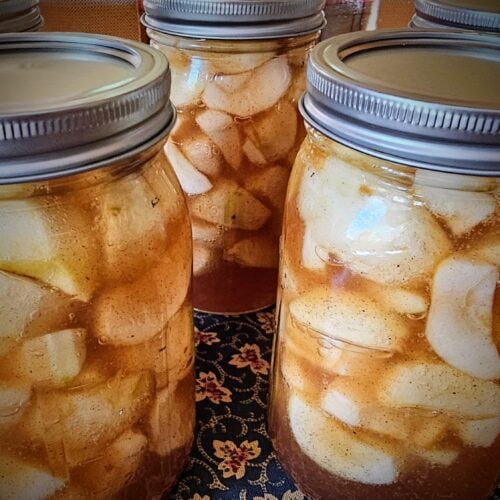
- Canning Apple Pie Filling the Amish Way
- How to Freeze Green Beans the Easy Way
- Dilly Beans Recipe for Crunchy Pickled Green Beans
- How to Make Fermented Berry Soda
- Crunchy Delights: Dehydrating Zucchini Chips for a Healthy Family Snack
- How to Make Your own Healthy Fruit Powders
✨ From root to leaf and season to season, preserving food this way becomes more than just preparation—it becomes a way of life.
Don't Forget to Subscribe to Our Newsletter

Are you passionate about connecting with nature and exploring the world of herbal remedies? Join our community by subscribing to our weekly newsletter! As a subscriber, you’ll gain exclusive access to our members-only freebie and resource library, packed with valuable guides, recipes, and tips for living a more natural and sustainable lifestyle, closer to nature. Plus, you’ll gain access to our Freebie & Resource Library full of exclusive content for subscribers only.
As an Amazon Associate, I earn from qualifying purchases.
