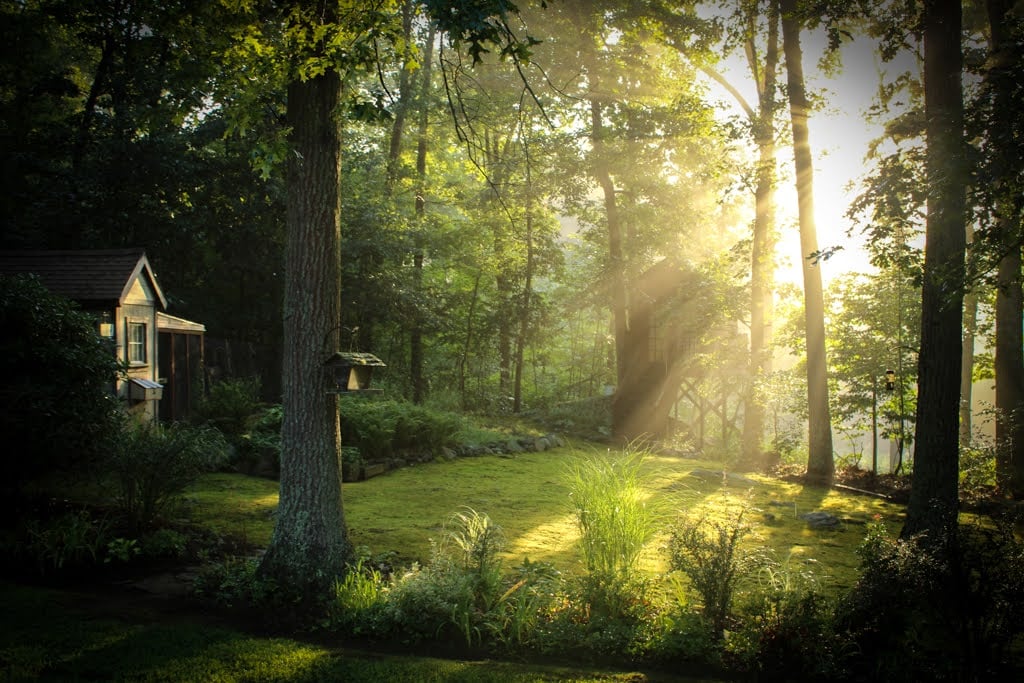
The Outdoor Apothecary is reader-supported. When you buy through links on our site, we may earn an affiliate commission. Learn more
Nepinnae: A Season of Remembering and Reconnecting
Some of our deepest wisdom lives not in books, but in our bones.
Growing up with the forest as both playground and teacher, I didn’t realize how much was being passed down to me—not through formal lessons, but through experience, ritual, and memory. This wasn’t just “childhood foraging” or “gardening traditions.” It was a sacred thread, one that connects me to my Nipmuck ancestors and the land they walked for generations.
Today, I’m sharing a reflection on the season of Nepinnae—a word that means “summer” in our language, but holds so much more: growth, reconnection, remembrance. This is a story about reciprocity, healing, and the quiet resistance of remembering who we are.
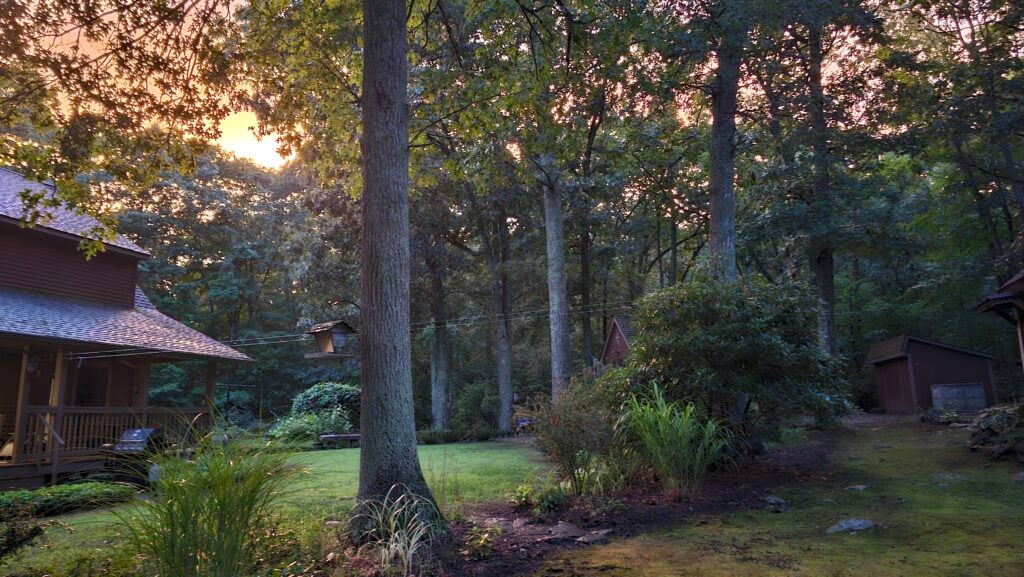
Growing up on the edge of a forest, the land wasn’t something owned or measured by fences and deeds. It was a living relative—a vast and ancient being that cradled our small house within its embrace. It fed us with plump berries and earthy mushrooms, sheltered us beneath its leafy canopy, and held within its depths the echoes of my ancestors’ laughter and prayers.
We didn’t call it “foraging” when we ventured out with baskets in hand, searching the forest floor for hidden treasures. It was simply how you filled your basket—an act as natural as breathing, as necessary as sunlight. Each fat mushroom and jewel-toned wild blueberry wasn’t just a treat; it was a conversation, a silent thank you whispered to the earth for her generosity.
Back then, we didn’t think of it as a philosophy or way of life. It was just… life. A deep knowing woven into my bones, passed down not through lectures or books, but through the potent language of blood memory. It was belonging. It was being a tiny thread in a vibrant tapestry stretching back generations—one woven with reverence for the land and all its beings.

Our overflowing gardens mirrored the forest’s abundance. Tomatoes, squash, and beans thrived under the summer sun. But it wasn’t just about feeding our family; it was an unspoken rule that the fruits of our labor be shared with others. Sharing what we grew wasn’t considered generous—it was simply how things were done. Like the tides or the rising sun, giving was part of the rhythm. We understood, even without saying it, that we were just one part of an intricate web—connected not only to our neighbors, but to the land itself.
No visitor left our home in the summer without their hands being filled with something from our garden. We’d often leave baskets brimming with zucchini or bags heavy with green beans on a neighbor’s porch, a silent testament to the bonds of community and a shared reverence for the Earth’s gifts. These gestures were more than kindness—they were echoes of a deeper tradition. A sacred practice of reciprocity and community, pulsing through our veins, passed down through the whispers of time. A reflection of the Nipmuck way.
Now, I see that this wasn’t just a quaint family habit. It was a living, breathing legacy. A way of being in right relationship with the Earth. We might not have had the words back then, but the knowledge lived in us all the same—in our hands, our hearts, and in the stories that lingered just beneath the surface.
It was in the effortless way we shared our harvest, in the unspoken understanding that the land provided for everyone, and in turn, we owed a debt of gratitude and stewardship to the Earth that nourished us. This wasn’t a choice we consciously made; it was an instinctive rhythm, a dance of life that had been choreographed by generations before us, a memory that guided our hands to share even when the words of our ancestors had been silenced.
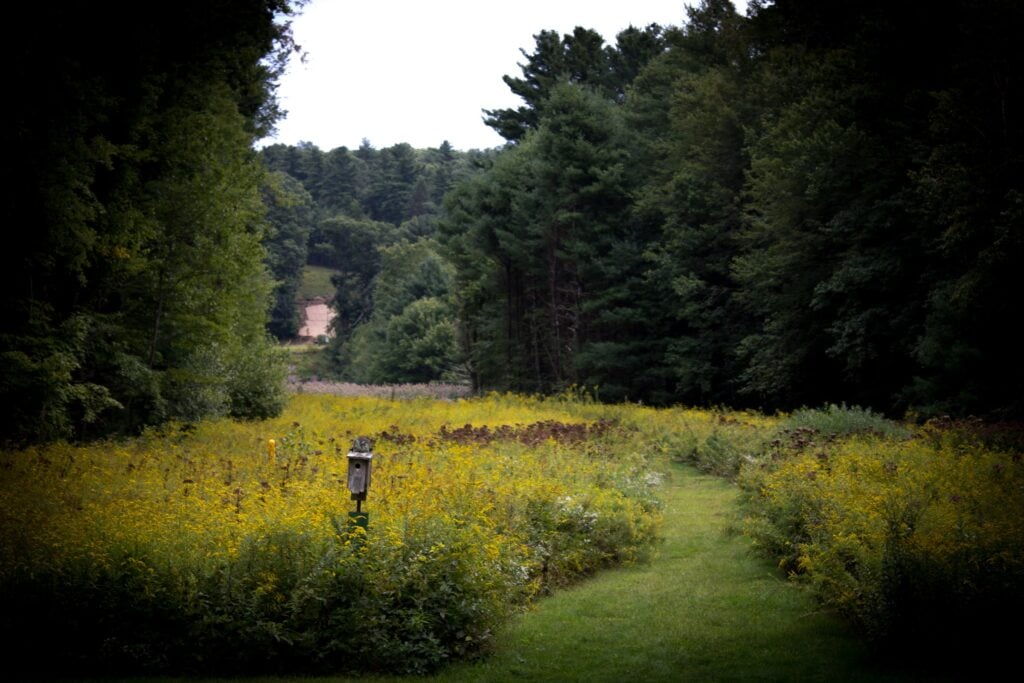
At times, the whispers of the past were faint. Our history was a tapestry ripped and scattered. Tales of ancestors forced from these very woods, a language they were forbidden to speak, traditions pushed into the shadows. The weight of that history settled heavy sometimes, a hollowness where the songs and stories should have been.
But the land whispered, too, a different kind of language. It spoke through the way sunlight dappled the forest floor, the resilience of the ferns pushing through the undergrowth, the satisfying burst of flavor from the taste of a wild grape on my tongue. We learned, adapted, survived. The connection, like a buried seed, remained. It held memory for us, even when ours had been taken.
As I grew older, the pull towards the wild got even stronger; it was a generational call. Studying plants, the way their leaves unfurled and their roots burrowed, wasn’t just a continuation of a childhood hobby; it was a calling from my ancestors. It felt like rediscovering a forgotten language, one spoken not with words, but with the touch of sunlight on your skin and the scent of damp earth.
I knew the language of the forest, the whispers of a tiny cluster of Pipsessewa under the fallen leaves, the telltale signs of plump wild blueberries nestled amongst emerald ferns. I wasn’t just gathering food or medicine. I was in relationship.
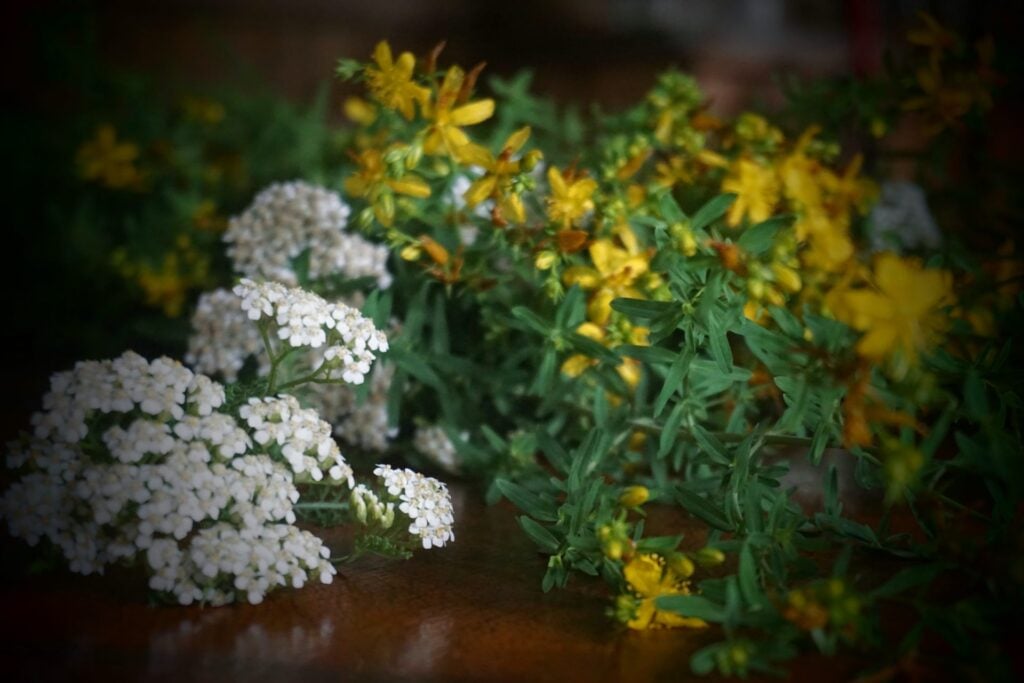
To seek out yarrow, wild ginger, or a hidden patch of strawberries wasn’t new. It was a song my ancestors had long sung—one that now lived in me. Each plant, each taste, each step on a wooded path brought me closer to them. Their songs echoed in the rustling trees and the gurgle of hidden streams.
Now, when I stand among the trees, a deep sense of homecoming washes over me. The weight of history may be heavy, but it’s intertwined with the strength of the roots that grip the earth, the tenacity of the wildflowers pushing through the undergrowth. The forest may not hold all the answers, but it offers a space for healing, a place to reconnect with the whispers of the past and find solace in the resilience of nature, and the enduring spirit of my people.
Today, my tribe is reclaiming what was stolen, thread by thread. We’re learning our language again, one word at a time. We remember the ceremonies, the dances, the way our ancestors lived in harmony with the land, not as masters, but as grateful guests. We’re rediscovering the gift economy, where sharing and reciprocity were the cornerstones, not profit and possession.
And for me, studying the plants and the natural world has taken on a whole new meaning. It’s a reconnection, a way of tracing the threads that bind me to my ancestors. Every leaf I identify, every medicinal property I learn, becomes a whispered conversation across generations. It’s an act of honoring them, but also an act of resistance. We were forced to be silent, to assimilate, but this knowledge, passed down in the way we interact with the land, has survived.

So, this summer as I tend my gardens, both wild and cultivated, as I gather the bounty of the forest – the sweet-tart kiss of blackcap raspberries, the plump wild blueberries, and the tangy wild grapes – The word “NEPINNAE” rolls off my tongue, a sweet melody carrying both the weight of history and the promise of a future built on the wisdom of the past. It means summer, yes, but it also means something more profound – a season of growth, of returning, of remembering who we truly are.
I will remember that Nepinnae is more than a season; it’s a whispered promise, a defiance carried on the wind.
If this story resonated with you, I invite you to explore more reflections on ancestral wisdom, seasonal living, and the gifts of the land:
Ancestral Living: 10 Easy Principles I used to Transform My Life
- Wild Edible Foods and Ancestral Eating
Wild Harvesting in the Fall – A guide to connecting with the land through mindful gathering practices.
How to Create a Sacred Space – Learn to build a sanctuary rooted in nature and ancestral connection.
Honoring Ancestors at Samhain – A simple ritual to deepen your relationship with those who came before you.
The Wheel of the Year – Explore the eight sacred seasons and how to celebrate them with intention.
