The Outdoor Apothecary is reader-supported. When you buy through links on our site, we may earn an affiliate commission. Learn more
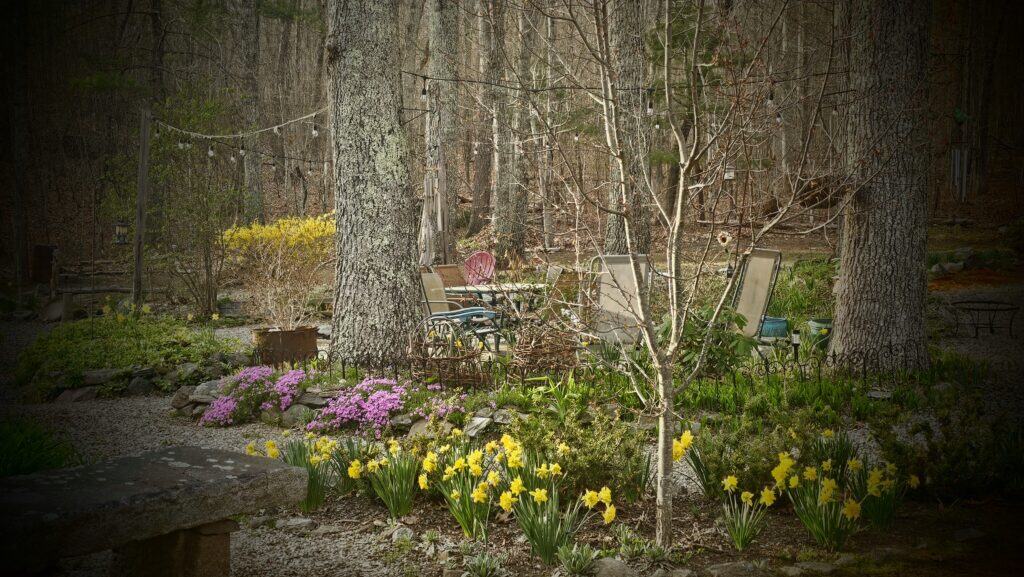
Ready to wake up with the land? These 25 spring nature study ideas will help you slow down, pay attention, and fall in love with the season.
Spring is my favorite season. I say that every year, and I mean it every single time.
There’s something that happens to me when the cold finally loosens its grip. My whole body shifts. I want to be outside. I want to walk slowly and look at things. I want to breathe the air without wincing. Living in New England, I try to get out in winter too — I really do — but some days it’s just too cold. On those days I end up watching the bare trees from inside with a cup of tea, telling myself I’ll go out tomorrow.
And then spring arrives and I forget all about that. I step outside, feel the soil soften under my boots, hear birds I haven’t heard in months, and something in me just… exhales.
I’ve noticed over the years how much we mirror the land, even when we’re not paying attention. We talk about animals hibernating, but what are we really doing in winter? Pulling inward. Moving slower. Waiting. And then spring comes and we stretch back out into the world, sometimes a little surprised by our own energy.
That’s what spring nature study is to me — it’s the stretching. Paying attention to things waking up, including yourself.
I’ve gathered 25 of my favorite ways to do that here. Some are things I’ve done every spring for years. Some are quieter invitations I’m still learning to accept. Think of them less as a checklist and more as open doors — walk through whichever ones call to you.
Noticing Seasonal Shifts & Emerging Patterns
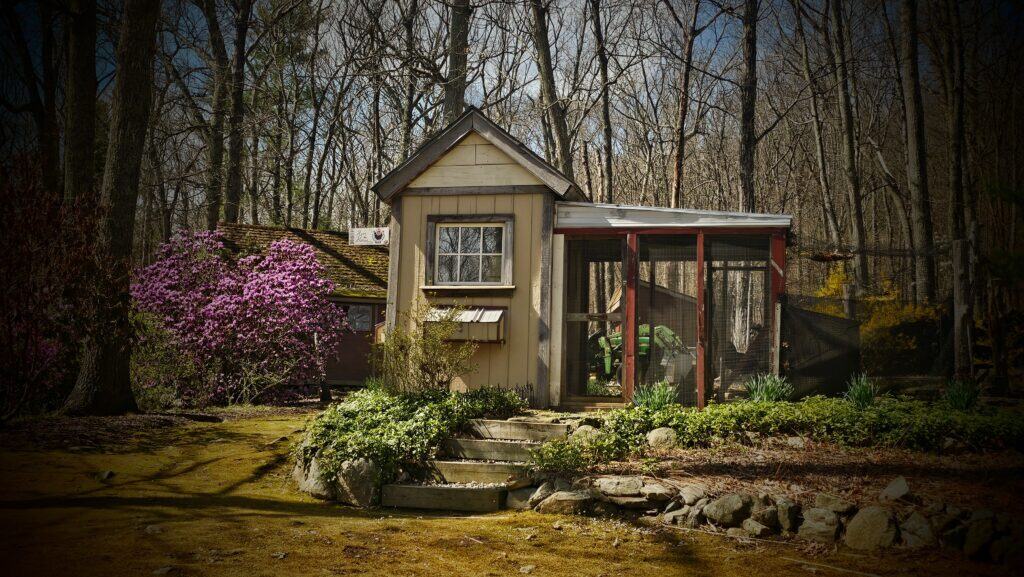
Spring doesn’t arrive all at once. It sneaks in. One of the things I love most about spring nature study is learning to catch it early — before the obvious stuff, in the quiet parts most people miss.
1. Track sunrise and sunset times. The days are getting longer fast right now. I love checking sunrise times and feeling a little giddy at how quickly they change. Notice how that extra light sits in your body — does it shift your energy? Your mood?
2. Watch daily temperatures. Spring bounces back and forth between warm afternoons and cold nights. I keep a simple note in my journal about temperature swings and what I observe changing (or not) because of them. It tells a richer story than you’d expect.
3. Watch the land turn green. This is something I could do for hours. Notice where the green shows up first. For me, it’s always the wet spots — the low areas near the stream, the mossy places at the base of the stone walls. The land has a sequence if you’re patient enough to follow it.
4. Keep a simple phenology journal. This just means writing down when things happen — first bud, first bloom, first robin. It sounds simple, and it is. But doing it year after year creates something quietly profound. You start to feel the rhythm of the land in your bones.
Spring Nature Study Through Plants & Growth
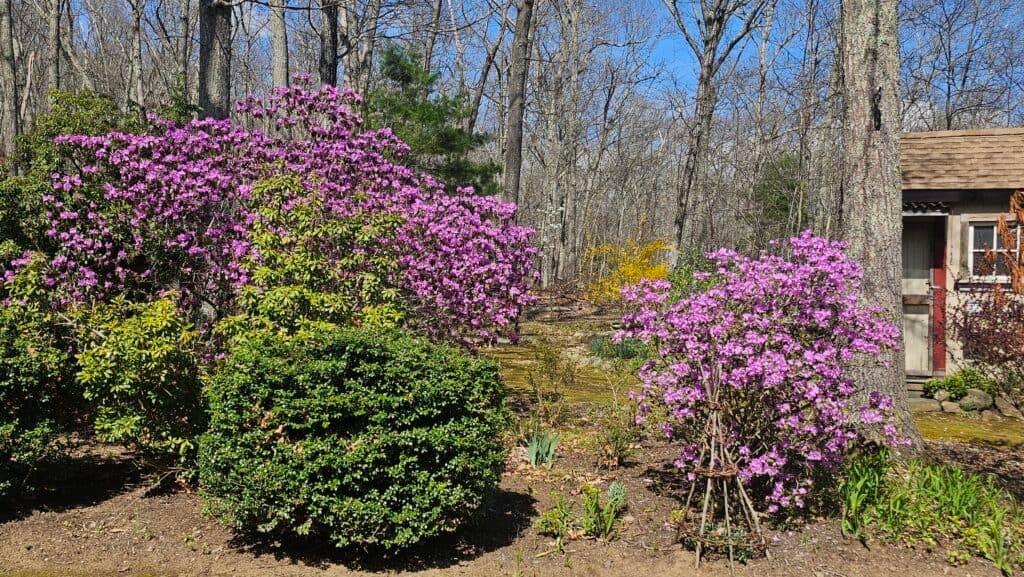
This is the part of a spring nature study practice that calls me outside the most. Plants come back from nothing and it never stops feeling like a miracle to me.
I’ve made a habit of picking one tree — just one — and checking on it throughout the spring. Watching a single maple go from bare branch to full leaf over a few weeks teaches me more about patience and presence than almost anything else.
5. Watch buds swell. Pick one tree or shrub and visit it every few days. The changes are fast and worth witnessing up close.
6. Find the spring ephemerals. These are the little wildflowers that bloom before the trees leaf out and shade everything. Trout lily, trillium, bloodroot — they appear, bloom, and vanish in just a few weeks. Easy to miss. Worth going out of your way to find.
7. Watch leaves unfurl. Every species does it differently. Some come out already full-sized; others come out curled tight like tiny fists and slowly open over days. Sketch them if you can, even badly. The act of drawing makes you look harder.
8. Notice what grows together. Start paying attention to plant communities — the plants that keep showing up near each other. It’s not random. They’re telling you something about the soil, the light, the moisture.
9. Return to the same spot every week. This is the simplest and most powerful thing I can suggest. Come back. Come back again. Patterns only become visible over time.
Birds, Wildlife & Spring Activity
Spring brings sound back into the world. After winter’s quiet, birdsong feels almost startling at first. I notice myself pausing more often—mid-step, mid-thought—just to listen.
Spring nature study with wildlife doesn’t require spotting everything. Even noticing one bird returning to the same perch or hearing a familiar call at the same time each morning can deepen your sense of seasonal awareness.
10. Learn bird calls one at a time. Don’t try to learn everything at once. Pick one bird. Listen. I use Merlin Bird ID (merlin.allaboutbirds.org) — it’s remarkable. But I use it as a companion, not a shortcut. I still try to figure out what I’m hearing before I check the app.
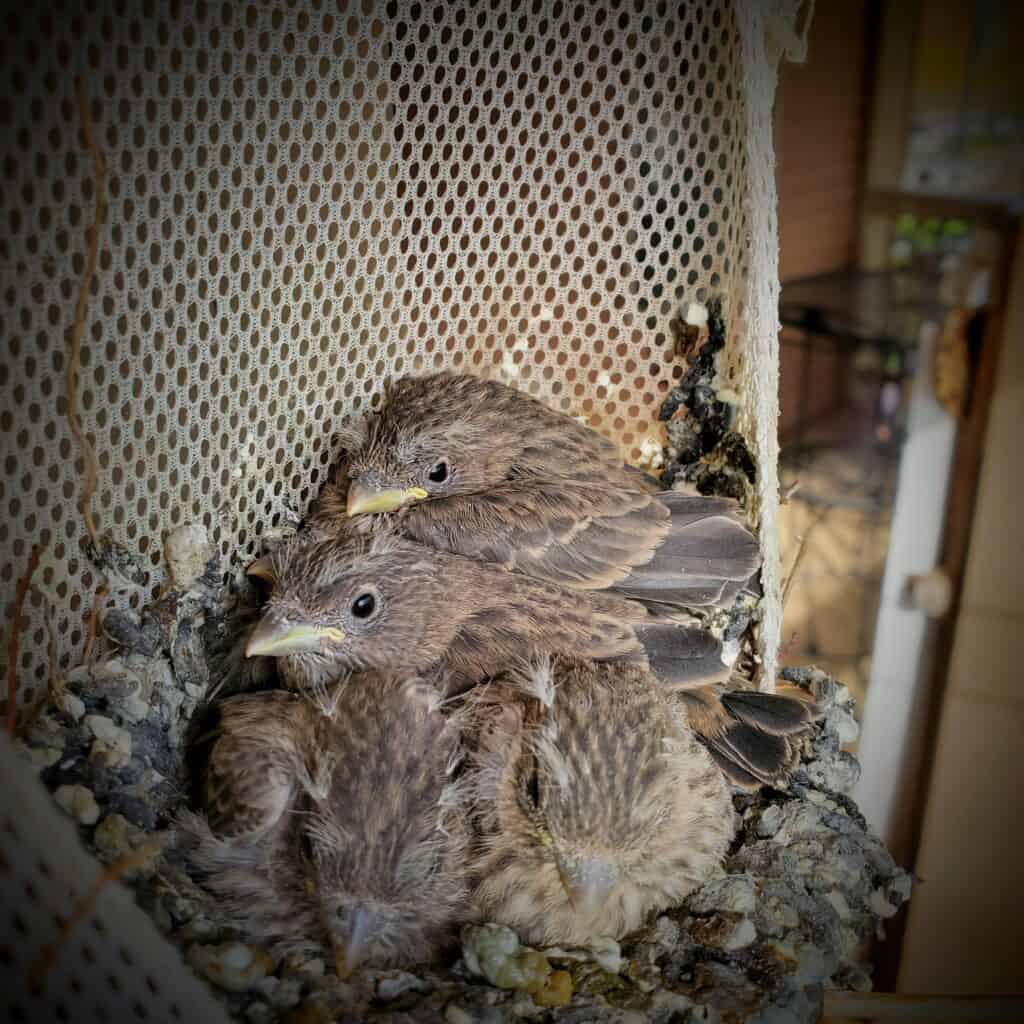
11. Watch for nesting behavior. Birds gathering materials, chasing each other off, sitting very still in bushes — spring is full of this. Once you start noticing it, you can’t unsee it.
12. Look for tracks in soft ground. The mud of early spring is like a guestbook. Look around — who else has been here?
13. Watch for insects. The first bees of spring make me genuinely happy every year. The first butterfly. The first beetle crawling across a warm stone. These small sightings matter.
Water, Weather & the Living Landscape
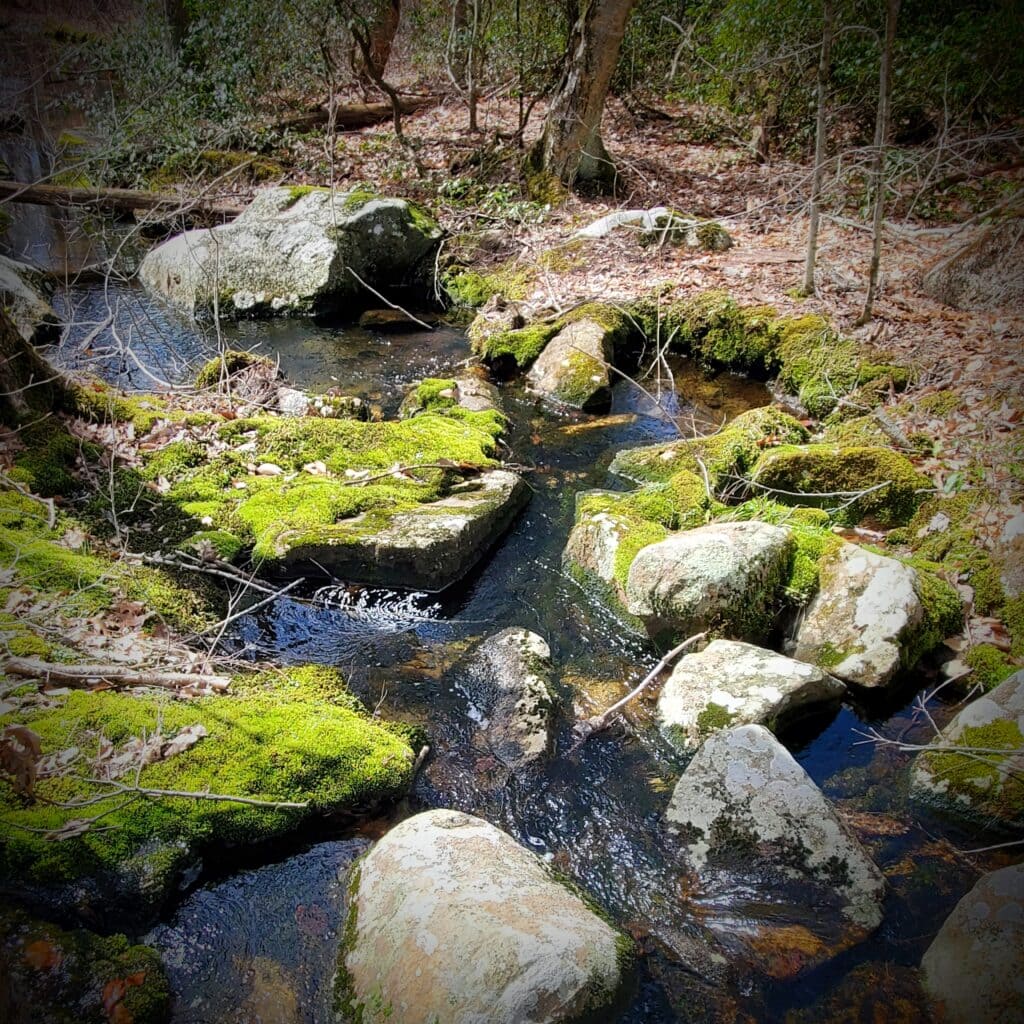
Spring weather is unpredictable, and I’ve come to appreciate that. Rain, thawing ground, swelling streams—it all reminds me that the land is in motion again.
Watching how water moves through the landscape during spring nature study has taught me patience. Some days feel warm and hopeful; others slip back into cold. Both belong.
14. Be outside in the rain. Spring rain has a smell that I can’t fully describe, but I recognize it in a second. It sounds different than summer rain. Feel it. Listen to it. Don’t just watch it from the window.
15. Follow the water. Where does it collect after a rain? Where does it disappear? Seasonal puddles, swollen streams, little rivulets across the path — water is always telling you something about the land beneath it.
16. Look up at spring skies. The clouds in April are something else. Big, fast-moving, dramatic. I’ve started spending a few minutes each day just watching the sky change, and it’s become one of my favorite things.
17. Notice how weather shapes growth. A warm week followed by a hard freeze tells a very different story than slow, steady warming. The plants feel it. The birds feel it. Write it down.
Sensory & Embodied Spring Nature Study
Spring invites me back into my body. After months of moving carefully on ice and cold ground, I notice textures, scents, and sounds more vividly.
Spring nature study through the senses—mud on boots, blossoms on the breeze, frogs calling at dusk—helps me remember that nature connection isn’t just something we observe. It’s something we experience.
18. Slow down and smell things. Wet soil. Apple blossoms. Rain-soaked leaves. Lilac, if you’re lucky enough to have it near you. Spring has a whole language in scent.
19. Listen before you look. Sit somewhere outside and close your eyes for a few minutes. Just listen. What’s there that you wouldn’t have noticed if you’d kept walking?
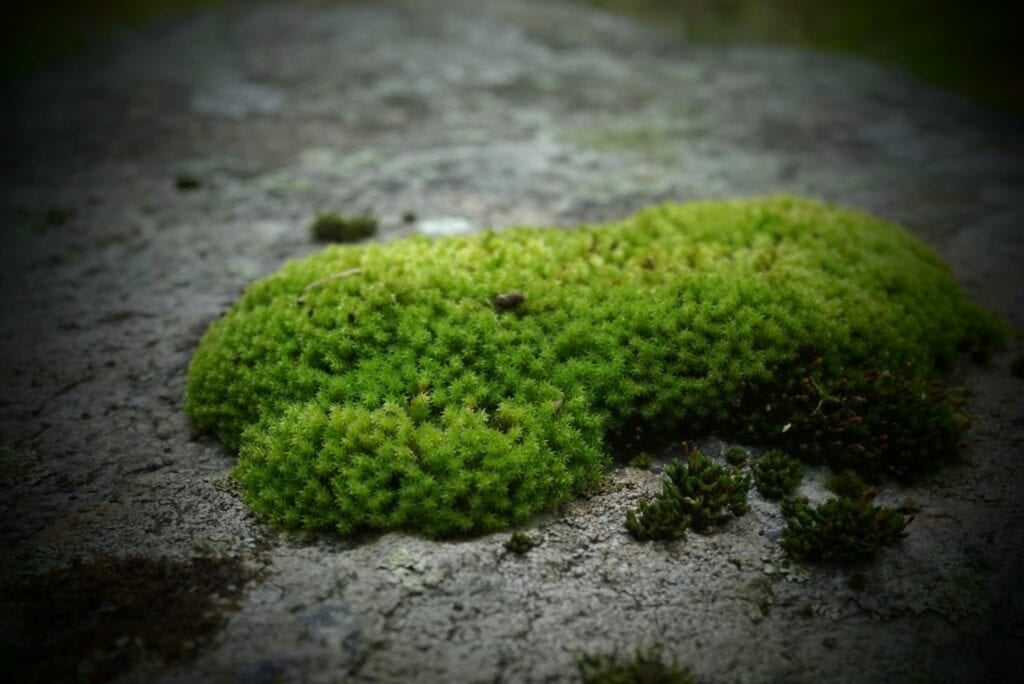
20. Touch things. Mud, bark, new leaves, moss on stone. Sensory contact slows the mind down in a way nothing else quite does.
Spring Nature Journaling & Reflection
I want to say something honest about nature journaling: my journal is a mess.
Some days it’s full — sketches, pressed plants, observations running off the edges of the page. Other days there’s a single sentence, or just a date and a question I didn’t answer. Both feel right to me. Spring is uneven. A journal that only shows the good observation days isn’t telling the whole truth.
If you’ve been wanting to start, spring is a forgiving season to begin in. There’s so much to notice that you’ll never run out of material.
If you’re new to journaling, you may enjoy exploring these related pieces:
Nature Journaling for Connection
https://www.outdoorapothecary.com/nature-journal-for-connection/Nature Journal Prompts for Connection
https://www.outdoorapothecary.com/nature-journal-prompts-for-connection/An Introduction to Nature Journaling
https://www.outdoorapothecary.com/nature-journaling/
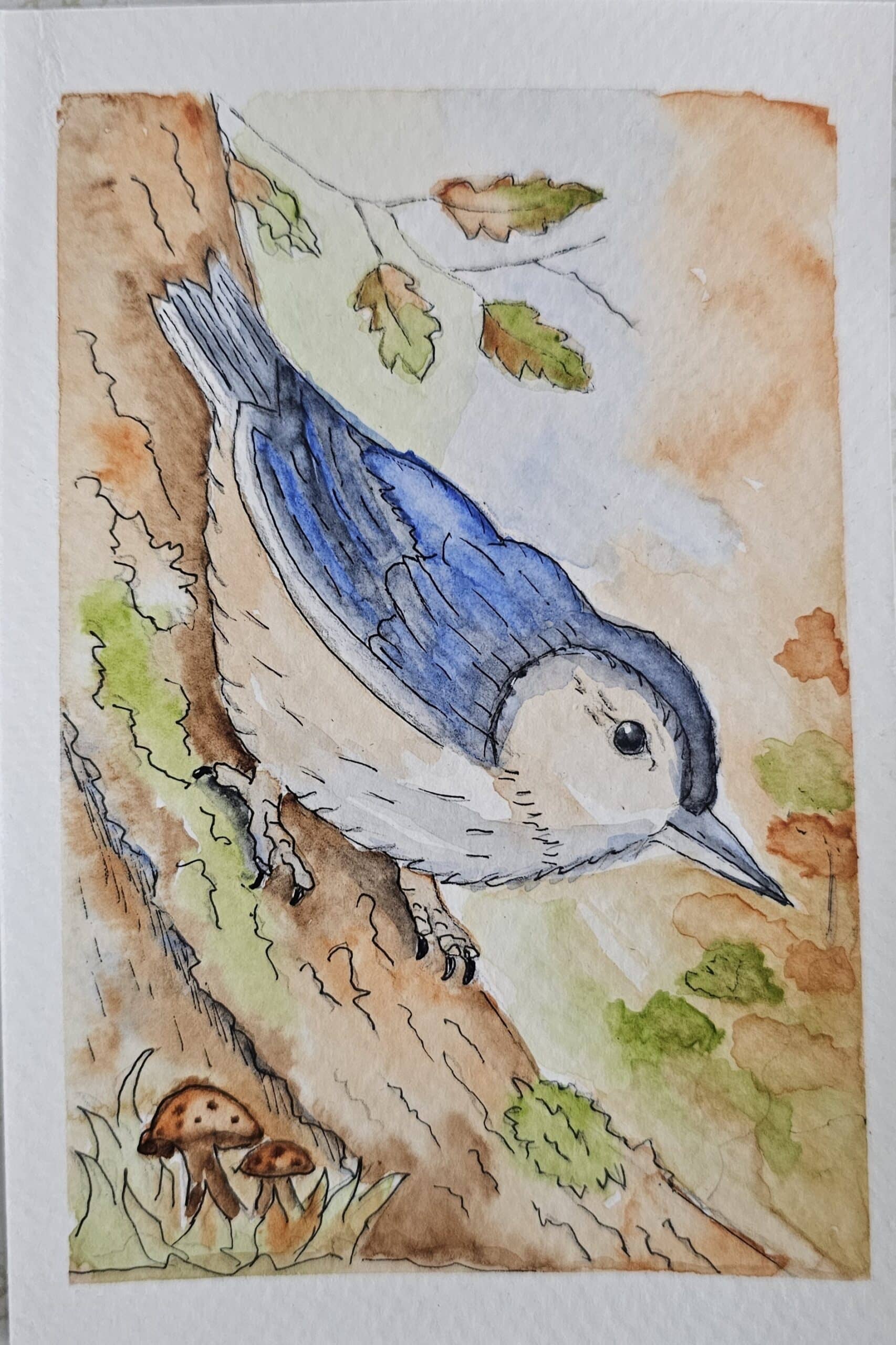
21. Sketch loosely and imperfectly. I am not a trained artist. My sketches look like a child drew them most of the time. But drawing something — even badly — forces me to really look at it, and that’s the whole point.
22. Write just one sentence if that’s all you have. “The red maple by the road has tiny flowers today.” That’s enough. You’ll be glad you wrote it.
23. Ask questions. What feels earlier than usual this year? What’s missing that’s normally here? I keep a running list of questions in the back of my journal. Some get answered. Some don’t.
24. Notice what spring does to you. Your mood. Your sleep. Your energy. Your cravings. You’re part of this season too. Write yourself into the journal alongside the birds and the buds.
Spring Nature Study Indoors & Integration
Not every spring day calls you outside for spring nature study. Some are cold, grey, and damp in an unpleasant way. Some days you just don’t have it in you, and that’s okay.
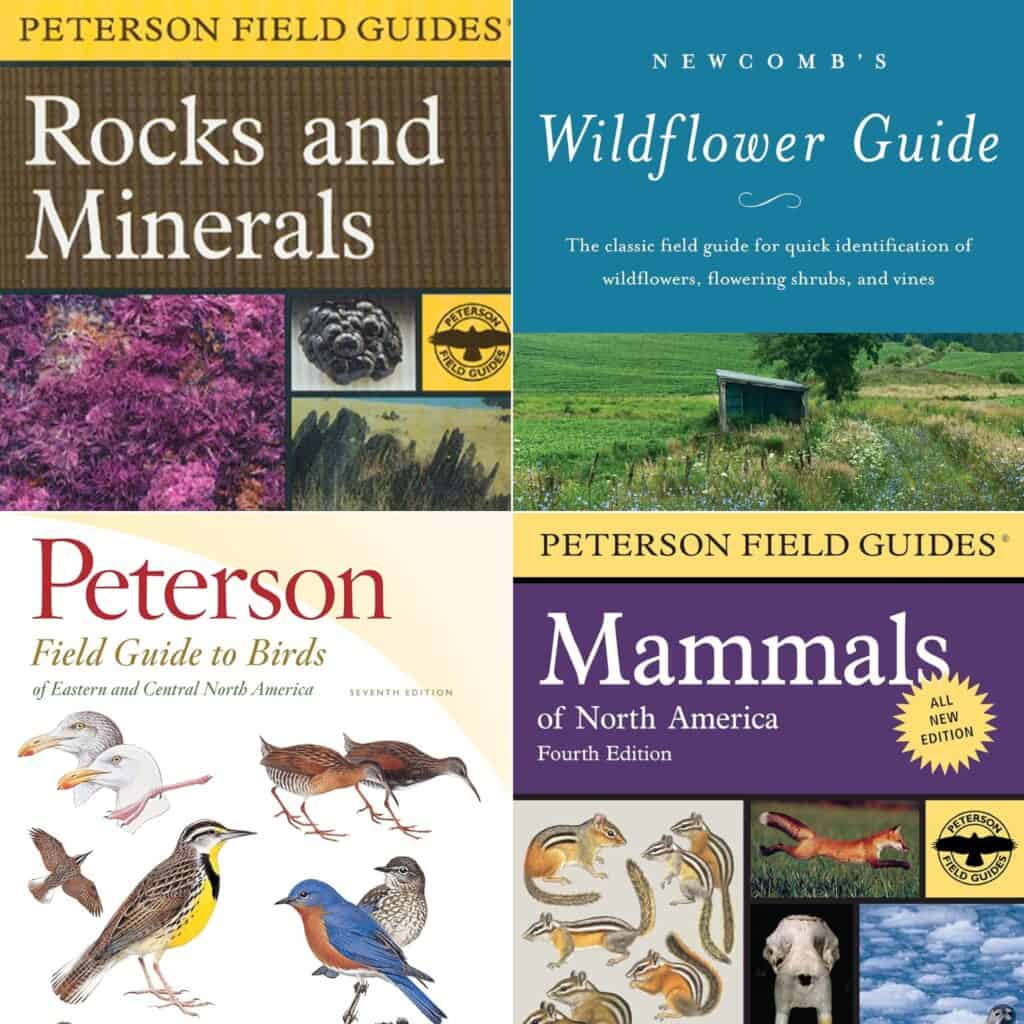
On those days, I reach for a field guide. I look up something I saw recently and didn’t fully understand. I flip back through old journals and remember what the yard looked like in April two years ago. Sometimes that’s enough.
25. Revisit past notes. Pull out last year’s nature journal if you have one. Read what you wrote. Notice what’s the same this year and what’s different. If this is your first year, write something now that future-you will be glad to have.
A Seasonal Reflection
I don’t push myself to wake up in spring. I’ve learned that I don’t have to.
The light changes, and something in me responds. The birds come back, and I go outside to hear them. The first wildflower shows up and I feel like I’ve been given a gift I didn’t ask for.
Spring nature study has become one of the quietest, most grounding parts of my year — not because I’m doing everything perfectly or covering every topic, but because I’m paying attention. Because I’m there, outside, watching things come back.
We’re not separate from the seasons. We’re woven into them. Spring is just a reminder of that. A gentle, beautiful, muddy reminder.
More to Explore
If this spring nature study article resonated with you, you may enjoy exploring these related pieces on Outdoor Apothecary:
- Nature Journaling for Connection
- Nature Journal Prompts for Connection
- An Introduction to Nature Journaling
- 25 Winter Nature Study Ideas
Each one offers gentle ways to build a meaningful, seasonal relationship with the natural world—one observation at a time.
Don't Forget to Subscribe to Our Newsletter

Are you passionate about connecting with nature and exploring the world of herbal remedies? Join our community by subscribing to our weekly newsletter! As a subscriber, you’ll gain exclusive access to our members-only freebie and resource library, packed with valuable guides, recipes, and tips for living a more natural and sustainable lifestyle, closer to nature.
