The Outdoor Apothecary is reader-supported. When you buy through links on our site, we may earn an affiliate commission. Learn more
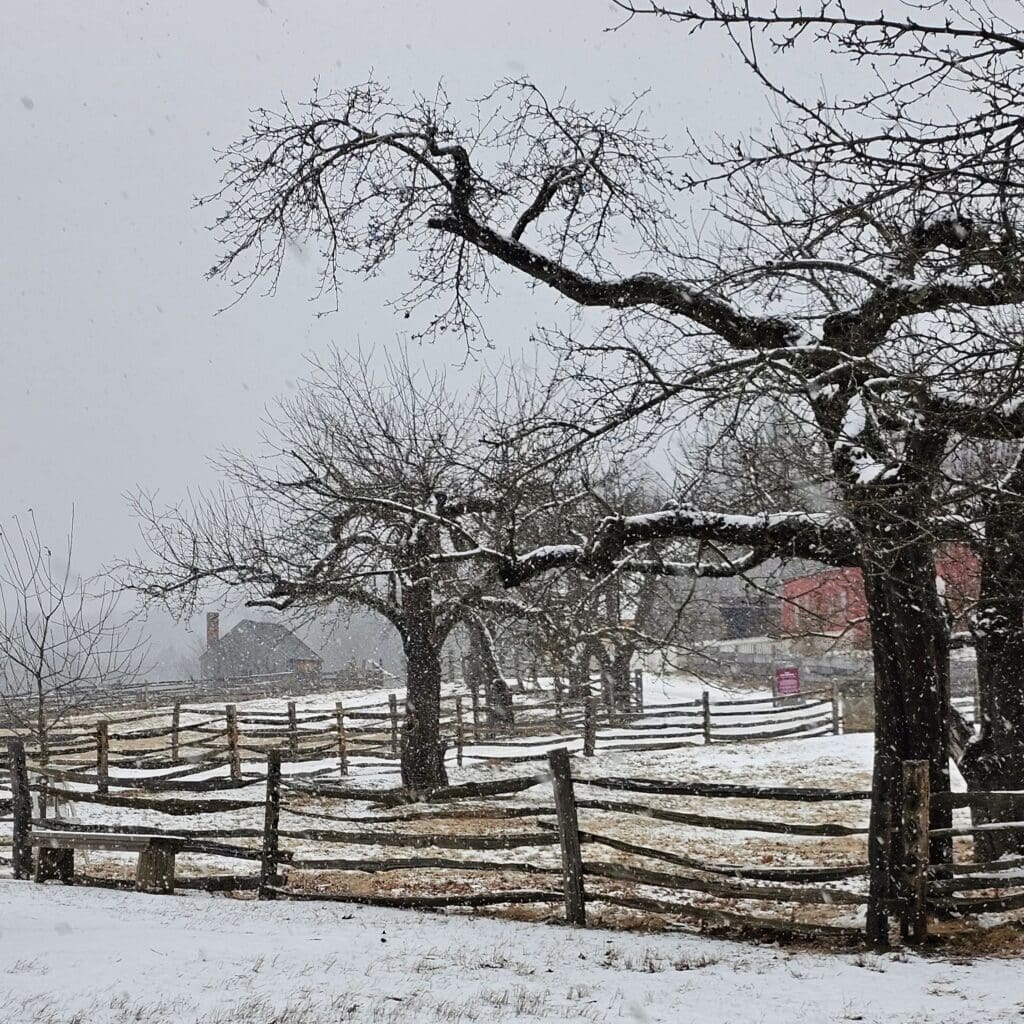
Winter nature study asks us to slow down in a way few other seasons do. When the land is bare and the pace of life softens, everything feels simpler—stripped back to essentials. And in that simplicity, nature becomes easier to truly see.
Winter is often misunderstood. We tend to think of it as nature hitting pause—bare trees, frozen ground, shortened days. But winter isn’t empty. It’s simply quieter. And in that quiet, there is so much to notice if we’re willing to slow down enough to look.
For adults longing for deeper nature connection, or those feeling drawn toward beginning a nature journaling practice, winter isn’t an obstacle. It’s an invitation. Without the distraction of constant growth and color, patterns begin to emerge. Subtle shifts take on meaning. Winter gently teaches us how to pay attention.
For me, winter has become one of my favorite seasons for nature study and journaling. Without the visual overwhelm of flowers and leaves, the landscape settles. Shapes, rhythms, textures, and quiet movements come forward. Winter invites me to move more slowly, to observe more carefully, and to notice what I might otherwise miss.
If you’re craving nature connection or curious about starting a nature journaling practice of your own, winter is a beautiful place to begin.
Below are 25 gentle, grounded ways to practice winter nature study—both outdoors and indoors—rooted in observation, curiosity, and relationship rather than productivity.
Observing Light, Sky & Weather
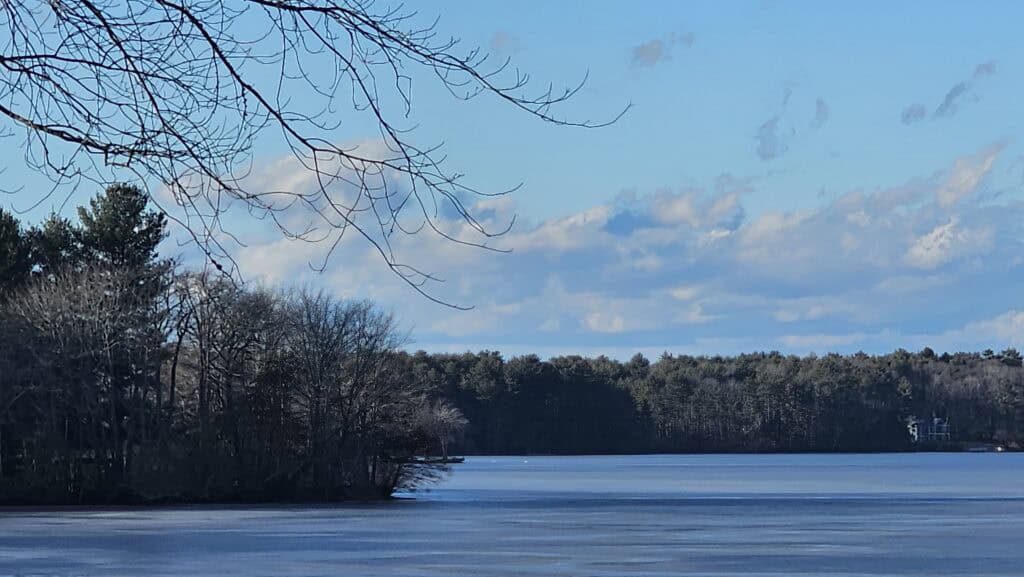
Winter nature study begins with looking up and paying attention to the daily rhythms of light and weather. In winter, these shifts are more noticeable, more dramatic, and deeply grounding. Tracking light, clouds, and weather patterns helps anchor you in place and season, turning ordinary days into something quietly meaningful.
1. Track Sunrise and Sunset
Note the daily times of sunrise and sunset and watch how the light slowly shifts as the season progresses. Around the solstice especially, this practice can feel deeply grounding.
2. Observe the Quality of Winter Light
Notice how winter light differs from other seasons—low, slanted, often golden or blue-tinged. How does it change the mood of the landscape?
3. Catalog Cloud Types
Learn to recognize common cloud formations or simply describe them in your own words. Winter skies are often dramatic and expressive.
4. Keep a Daily Weather Log
Track temperature, wind, cloud cover, and general conditions. Over time, patterns begin to emerge.
5. Measure Precipitation and Snowfall
If you live in a snowy place, keep a simple chart of snow totals after each storm. It’s a surprisingly satisfying way to document the season.
Snow, Ice & Water Studies
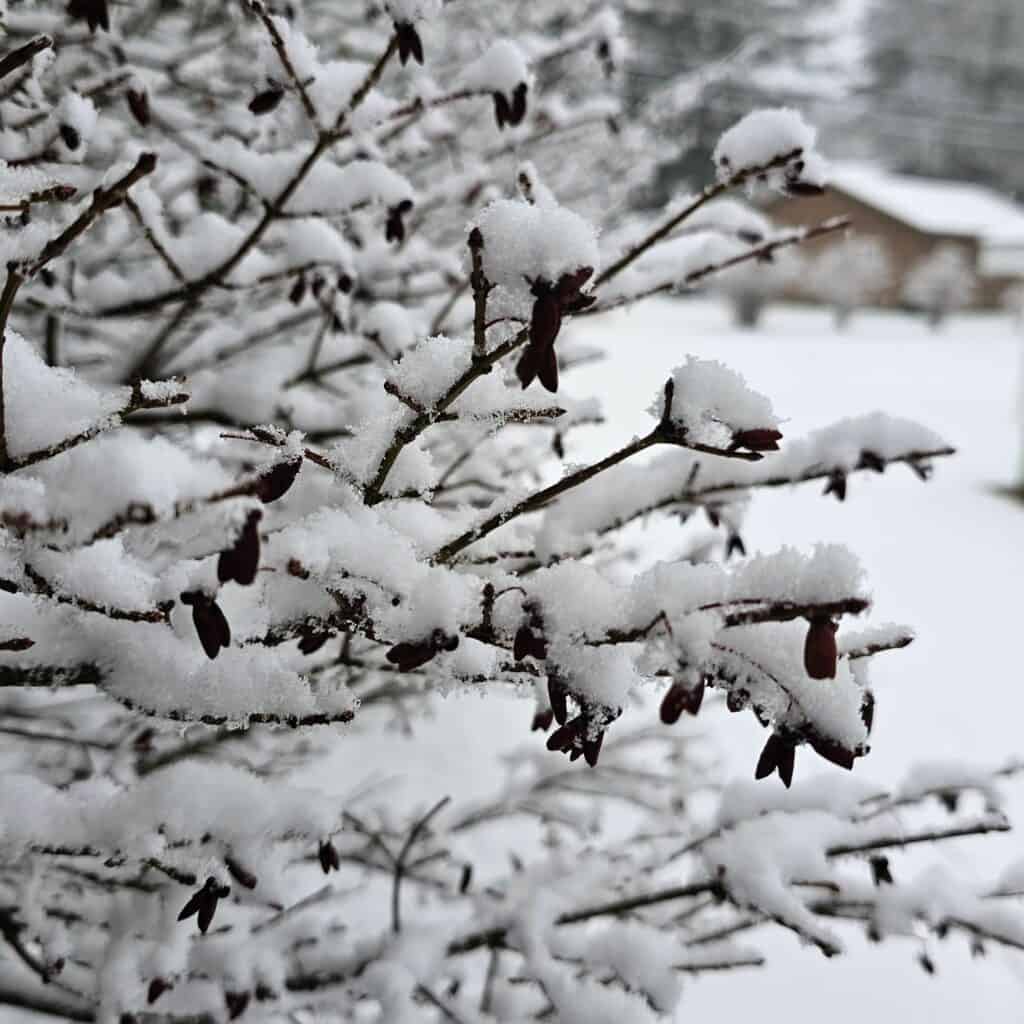
One of the gifts of winter nature study is the chance to observe water in all its changing forms. Snow and ice slow us down and invite close, careful looking. When you take time to study these fleeting details, winter reveals itself as intricate, alive, and endlessly fascinating.
6. Examine Snowflakes Up Close
Catch snowflakes on dark fabric or paper and study their shapes. Research how snowflakes form and note the conditions that create different patterns.
7. Study Ice Patterns
Look closely at ice on puddles, branches, streams, or windows. Ice is endlessly varied and beautiful.
8. Observe Water in All Its Winter Forms
Snow, ice, slush, steam, frozen streams, open water—winter offers a full spectrum of water states to observe.
Ground, Rocks & the Bones of the Land
9. Study Local Geology
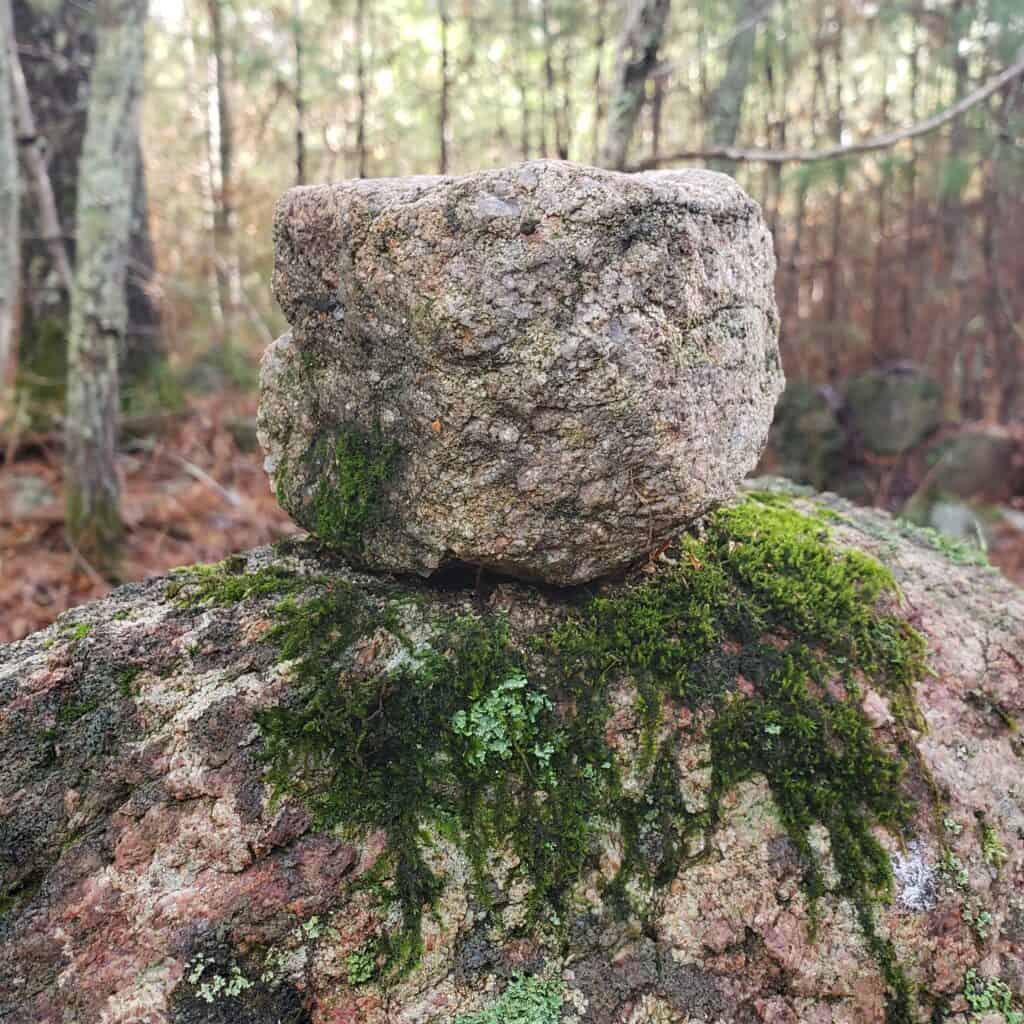
With plants dormant, rocks are easier to notice. Learn to identify common rocks in your area and where they tend to appear.
10. Explore Stone Walls, Trails, and Exposed Soil
Notice how the land is shaped beneath the surface. Winter reveals the bones of place.
Trees, Plants & Still Life
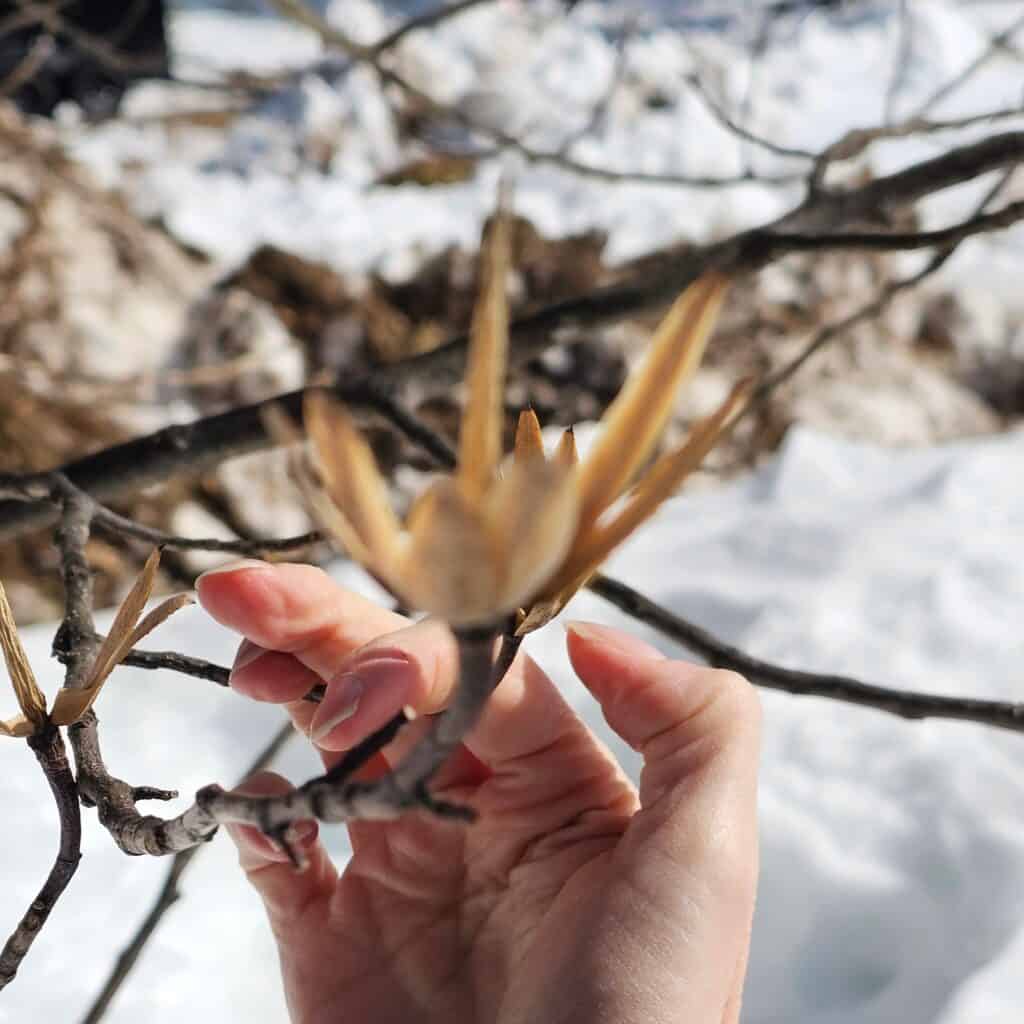
Winter nature study with plants isn’t about blooms or abundance—it’s about form, structure, and quiet resilience. Bare branches, evergreen needles, buds, and mosses all tell stories of survival and patience. When the noise of growth fades, these details step forward.
11. Study Bare Trees
Without leaves, tree structure becomes visible. Study branching patterns, scars, and overall form.
12. Observe Winter Buds
Buds are small but powerful—each one holding the promise of spring. Sketch them or note their shape and placement.
13. Study Evergreen Trees
Evergreens offer lessons in resilience. Compare needle shapes, cones, bark, and how different species hold snow.
14. Notice Moss, Lichen & Fungi
These quiet lives often thrive in winter. Look closely at rocks, tree trunks, and fallen logs.

Sky, Moon & Night Observation
Long nights are a gift for winter nature study. The moon feels brighter, the stars sharper, and the sky more present. Studying the night sky in winter builds a sense of orientation and rhythm, reminding us that even in darkness, there is movement and change.
15. Learn the Winter Night Sky
Winter constellations are bright and bold. Learn a few and revisit them throughout the season.
16. Track the Moon Phases
Follow the moon through its cycles. Winter moonlight feels especially luminous against dark skies and snow.
Wildlife & Seasonal Behavior
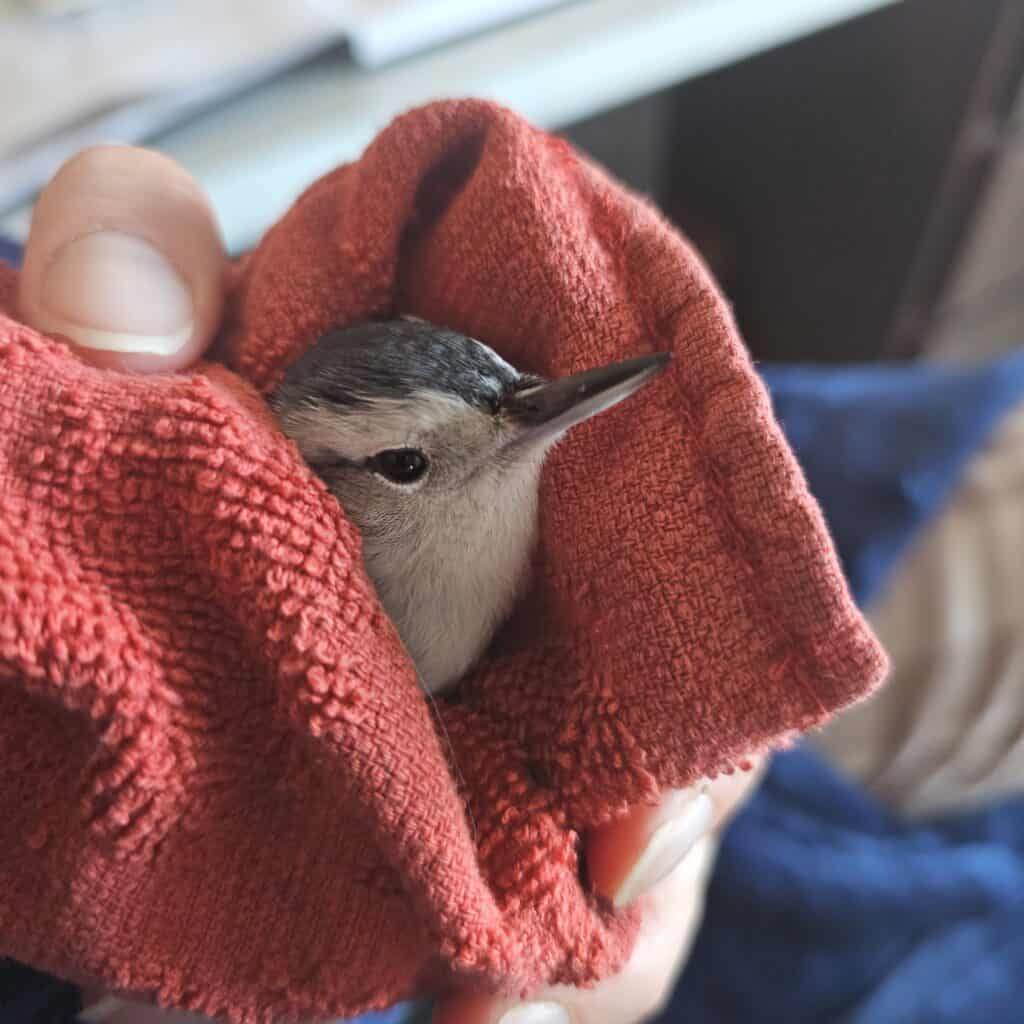
Winter nature study invites us to pay attention to who remains and how they adapt. Birds, animals, and even their tracks offer insight into energy conservation, survival, and seasonal wisdom. Winter simplifies ecosystems, making relationships easier to observe and understand.
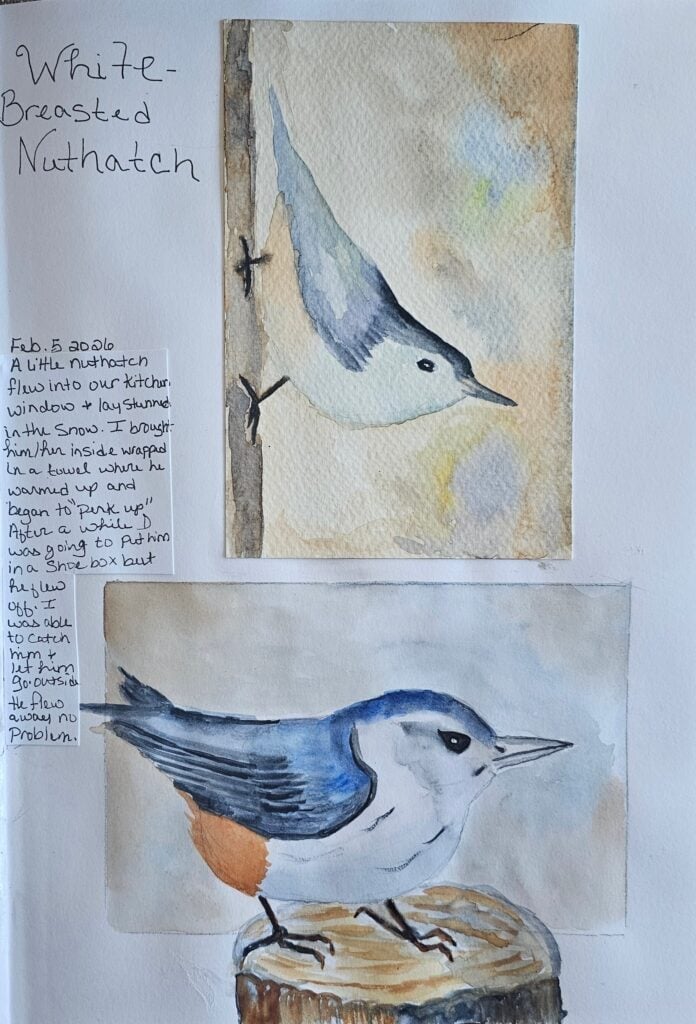
17. Enjoy Winter Birding
Many birds stay through the winter. Observe which species remain, how they behave, and what they eat.
18. Study Bird Migration Patterns
Learn which birds leave and why. Understanding who’s absent can be just as meaningful as observing who stays.
19. Look for Animal Tracks and Signs
Tracks in snow tell stories—movement, direction, pause, purpose. Even without snow, signs like scat, chewed branches, and pathways offer clues.
20. Observe Animal Shelters
Look for burrows, tree cavities, dense brush, or snow tunnels. Ask yourself where you would seek shelter in winter.
Sensory & Embodied Observation
Some of the richest winter nature study happens through the senses. Sound, scent, shadow, and stillness are heightened in winter, inviting a slower, more embodied way of being outdoors. These practices deepen connection not just to nature, but to your own presence within it.
21. Study Sound and Silence
Snow muffles sound. Frozen ground carries it. Notice how winter sounds—or quiet—feel different.
22. Observe Scent in Cold Air
Winter scents are subtle but distinct: pine, leaf litter, smoke, cold earth. What disappears? What lingers?
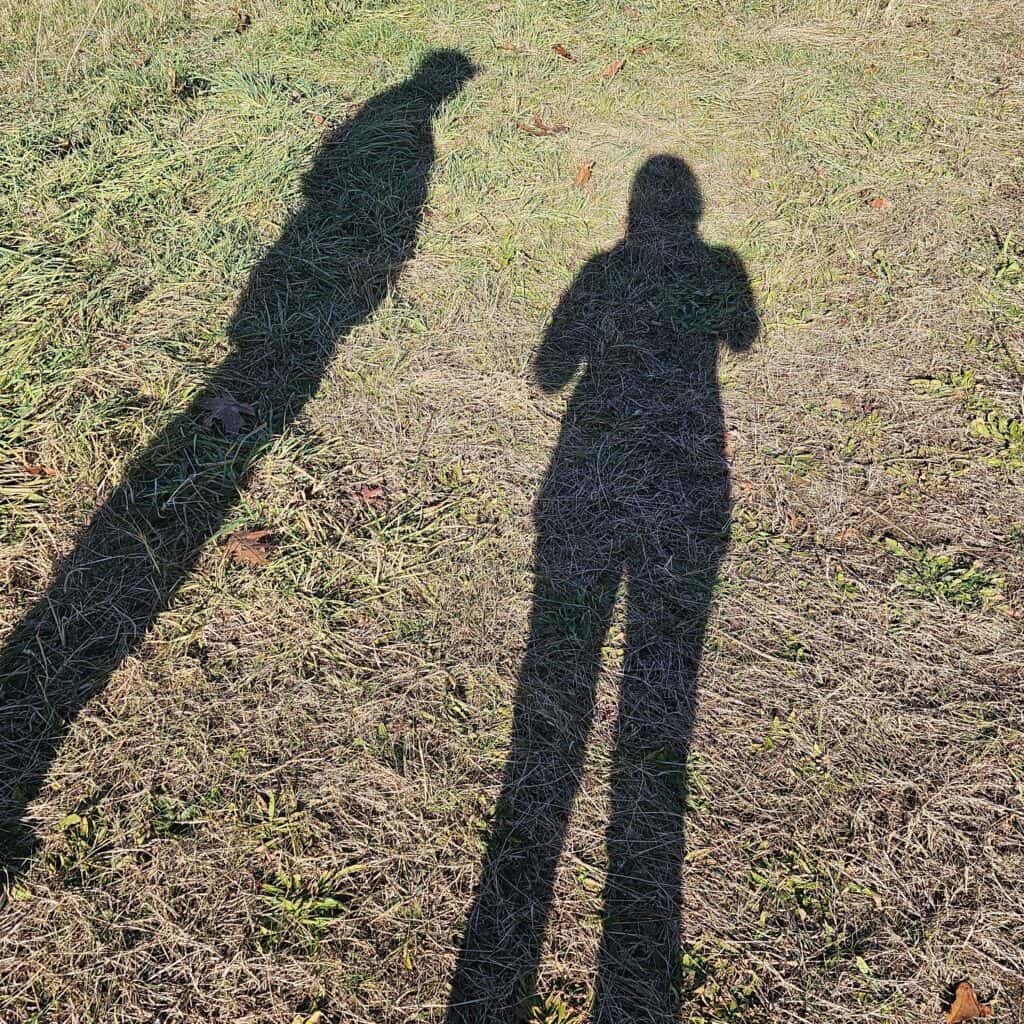
23. Notice Shadows and Low Sun Angles
Winter shadows stretch long across the land. Sketch shadows instead of objects to train your eye.
Indoor Study & Reflection
24. Study Field Guides Indoors
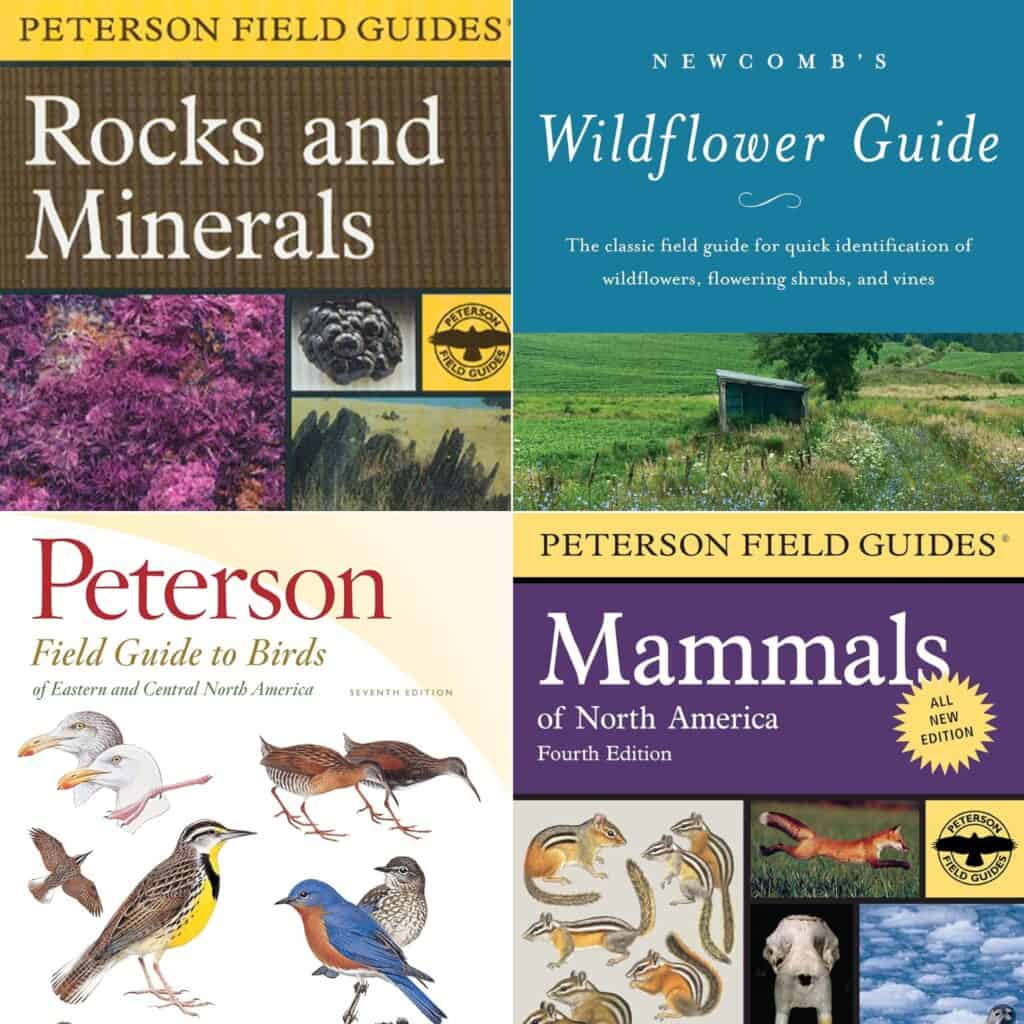
On especially cold days, stay inside and learn. I love field guides and keep a wide collection—from wildflowers to birds to rocks and fossils. Studying indoors enriches future outdoor encounters.
25. Practice Stillness and Repetition
Return to the same place again and again. Some days, don’t write at all—just witness. Winter teaches through repetition and restraint.
Related Post: 30+ Best Field Guides & Plant Identification Books
A Closing Reflection of Winter Nature Study
Winter nature study isn’t about doing more—it’s about seeing more clearly.
The quiet season strips the landscape down to essentials and invites us to do the same.
When we learn to observe winter, we learn how to listen—to the land, to the season, and often to ourselves.
Don't Forget to Subscribe to Our Newsletter

Are you passionate about connecting with nature and exploring the world of herbal remedies? Join our community by subscribing to our weekly newsletter! As a subscriber, you’ll gain exclusive access to our members-only freebie and resource library, packed with valuable guides, recipes, and tips for living a more natural and sustainable lifestyle, closer to nature.
