The Outdoor Apothecary is reader-supported. When you buy through links on our site, we may earn an affiliate commission. Learn more
Spring Beauty — April’s First Smile
Here in Connecticut, there’s a moment in early April that I’ve come to recognize on my spring hikes. The woods start to soften. The ground warms under last year’s leaves, the sharp edges of winter ease up, and the forest floor quietly wakes. It’s subtle, but once you notice it, you can’t unsee it.
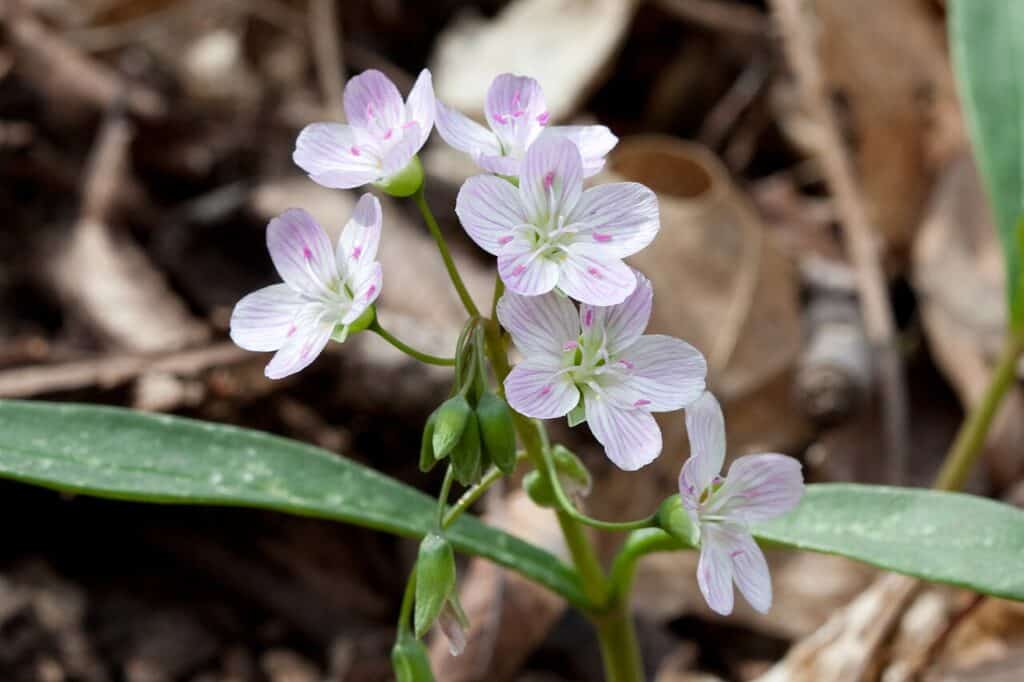
That’s usually when I start spotting Spring Beauty (Claytonia virginica) tucked low to the ground along the trail. I’ve come across it again and again on these early walks—small clusters of pale pink and white flowers scattered through the leaves like little surprises. Around the same time, I often notice trout lily too, its mottled leaves spreading out before the yellow flowers fully appear. Together, they feel like quiet markers of the season turning.
Spring Beauty has a way of asking you to slow down. You don’t really see it unless you stop and look closely. It doesn’t announce itself boldly the way bloodroot does earlier in spring. It simply shows up, steady and unassuming.
I love that reminder. Not everything arrives with drama or urgency. Some beginnings are gentle. Spring Beauty feels like that to me—a soft opening, a patient start, an invitation to trust the pace of the season instead of rushing ahead. It’s one of those small woodland moments that quietly grounds me and brings me back into rhythm with the land.

A Woodland Welcome
Spring Beauty is one of our earliest native wildflowers here in Connecticut — a true spring ephemeral that completes its aboveground life cycle in just a few short weeks, blooming before the trees leaf in and the forest canopy closes overhead. Throughout April, its low rosettes of grasslike leaves and star-shaped flowers carpet rich woods and shady edges, offering a quiet but unmistakable sign that spring has truly arrived.
Long before it became a beloved sight along woodland trails, Spring Beauty was known for its role in early sustenance and renewal. Indigenous peoples across the Northeast gathered its tender leaves, blossoms, and small underground corms as some of the first fresh foods available after winter. In this way, the plant carries a story of subtle generosity, offering nourishment without fanfare.
(Source: Missouri Botanical Garden; Native American Ethnobotany Database)
Folklore surrounding Spring Beauty speaks less of spectacle and more of presence. Its brief bloom, disappearing as the forest grows dense and shaded, has made it a symbol of the quiet wisdom found in early spring.
Spring Beauty Folklore & Symbolism
Across seasonal lore and nature-based traditions, Spring Beauty is associated with:
- Gentle abundance — nourishment that arrives quietly and without excess
- Trust — faith in natural timing and the slow unfolding of growth
- Renewal — emerging after dormancy with softness rather than force
- Humility — the beauty of what doesn’t demand attention
- Early hope — a promise of what is still to come
- Presence — the invitation to kneel, notice, and truly see
In many ways, Spring Beauty feels like April itself — a soft threshold month, poised between what was and what is still unfolding.
Seasonal Awareness
Because Spring Beauty is an ephemeral, its appearance marks a narrow window in the year. Many people use its bloom as a natural signal — a reminder to walk gently, tread lightly, and pay attention to what is just beginning.

Food for Bodies and Souls
Spring Beauty may be best known for its delicate blooms, but its folklore also carries quiet stories of nourishment and care. Indigenous peoples across the Northeast recognized Spring Beauty as one of the season’s earliest gifts, gathering its tender leaves, blossoms, and small underground corms as winter began to loosen its hold. These tiny, starchy tubers provided gentle sustenance at a time when fresh foods were still scarce.
(Source: Native American Ethnobotany Database; USDA)
Rather than abundance, Spring Beauty represents early nourishment — the kind that arrives softly and asks for presence and respect. It reminds us that spring’s bounty begins not with overflowing harvests, but with modest offerings that support both body and spirit.
Today, Spring Beauty is rarely worked with medicinally, and for many of us, its role is less about harvesting and more about relationship. Its brief appearance, sensitivity to disturbance, and importance to early pollinators invite a mindful approach — one rooted in observation, gratitude, and restraint. Sometimes the most meaningful way to work with a plant is simply to notice it, honor its place in the ecosystem, and allow it to complete its short life cycle undisturbed.
In this way, Spring Beauty offers a counterbalance to March’s Bloodroot — not bold or dramatic, but quietly sustaining. It teaches us to receive what the season offers without urgency, trusting that more abundance will come in its own time.
Have you ever encountered Spring Beauty in the wild and felt yourself pause? What might this gentle plant be teaching about nourishment before the season of larger greens and berries arrives?

Pollinators and Presence
It isn’t just people who value Spring Beauty. These early blossoms provide an important source of nectar for native bees, flies, and other insects emerging from winter dormancy. Flowering before the tree canopy fills in, Spring Beauty aligns beautifully with the rhythms of the woods and the needs of pollinators waking hungry for food.
As you wander woodland paths this month, watch for these small communities of life gathering around Spring Beauty — a reminder that spring’s awakening is not just visual, but alive with sound and movement.
Spring Beauty in the Heart
Spring Beauty isn’t a plant that demands notice; it rewards curiosity. It teaches something tender: that not all bounty arrives with grandeur. Some gifts are humble. Some ask us to draw closer, slow down, and cherish the quiet unfolding of life.
Before the trilliums rise and the violets carpet the ground, Spring Beauty’s blossoms mark a turning point — where the season shifts from waiting into offering.
As you move through April, consider:
- Where in your woods or landscape have you noticed Spring Beauty this year?
- What does its quiet presence teach you about noticing subtle gifts?
- In what ways are you ready to receive nourishment — not through abundance, but through simplicity?
May this small flower remind us that spring’s first lights are often the gentlest — and sometimes the sweetest. 🌱

April Ritual — Welcoming Gentle Renewal
This simple April ritual honors the quiet renewal Spring Beauty represents.
You’ll need:
- A small bouquet of early Spring flowers, or wildflowers ethically observed rather than harvested
- A white or pale pink candle
- A journal or notebook
Steps:
Light your candle and take a few slow breaths. Hold the flowers or place them nearby. Say aloud or silently:
I welcome gentle beginnings.
I trust what is unfolding in its own time.
Reflect on what is just beginning to grow in your life — ideas, habits, hopes, or healing. Write without judgment, letting thoughts arrive softly. Leave the flowers on your altar or windowsill as a reminder that growth doesn’t need to be rushed.
April Nature Journaling Prompts
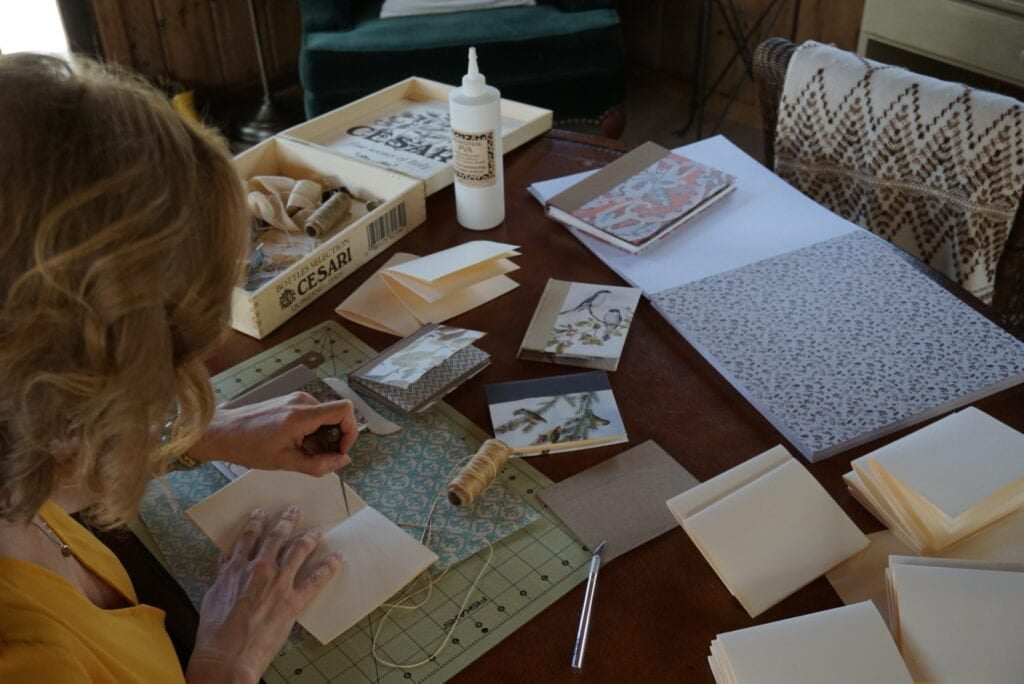
Nature journaling is one of the ways I slow down enough to truly notice the season I’m in. It helps me move beyond simply seeing spring and into relationship with it — paying attention to timing, patterns, and the small details that often go unnoticed. April, especially, feels made for this practice. Everything is subtle, tentative, and just beginning.
Nature journaling doesn’t need to be perfect or artistic. It might be a few words after a walk, a simple sketch, or a note about how the woods felt that day. Over time, these small observations become a personal record of seasonal change and a deeper way of living in rhythm with the year.
Use these prompts as gentle invitations:
- Where have I noticed Spring Beauty or other early wildflowers this week?
- What changes am I seeing in the forest floor, trees, or birds since last month?
- How does early spring feel in my body compared to winter?
- What small signs tell me the season is shifting?
- What feels quietly hopeful or just beginning right now?
What I Include in My Nature Journal
My nature journal isn’t about perfection — it’s a living record of my relationship with the land. On any given day, it might include:
- Notes on weather, light, or temperature
- First blooms, returning birds, or unfolding leaves
- Simple sketches or written observations from a walk
- Reflections on how the season feels in my body or mood
Some days it’s just a sentence. Other days it’s a full page. Over time, it becomes a meaningful seasonal record that encourages slowing down and deeper connection. Let your journal be a place where the land and your inner landscape meet.

Nature-Aligned Activities for April
- Walk woodland trails and look closely at the forest floor
- Sit quietly and observe early wildflowers without harvesting
- Start a spring nature journal or phenology notes
- Create a simple spring altar with stones, moss, or blossoms
- Practice mindful walking — slow, observant, unhurried
- Open windows and let fresh air move through your home
- Welcome fresh greens into your meals as a seasonal ritual
Curious About Other Plant Folklore?
If you enjoyed this reflection on Spring Beauty and April’s gentle renewal, you may also love exploring:
- Elderberry Folklore: Elder Wisdom and Midsummer Magic
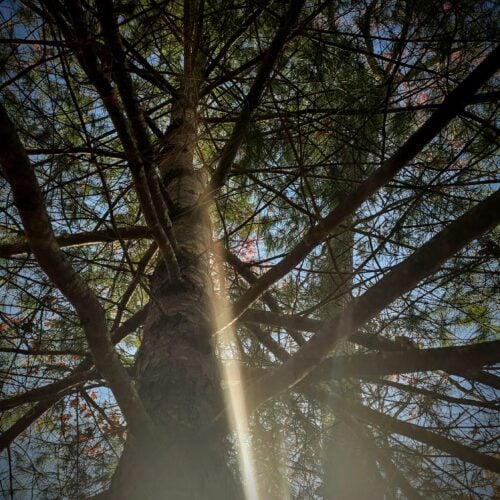
- The Folklore of White Pine: Wisdom, Healing, and Cultural Connection
- The Magic of Berry Season: Symbolism, Folklore, and Health Benefits
- Magical Crabapple: Folklore & How to Use This Underappreciated Fruit
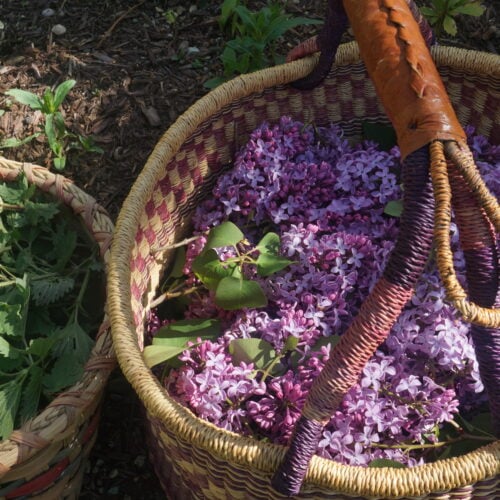
- Lilac Spiritual Meaning: The Magic, Memory, and Mystery
Spring Beauty reminds us that not all beginnings arrive loudly. Some whisper. Some bloom briefly. And some simply ask us to pay attention.
Don't Forget to Subscribe to Our Newsletter

Are you passionate about connecting with nature and exploring the world of herbal remedies? Join our community by subscribing to our weekly newsletter! As a subscriber, you’ll gain exclusive access to our members-only freebie and resource library, packed with valuable guides, recipes, and tips for living a more natural and sustainable lifestyle, closer to nature. Plus, you’ll gain access to our Freebie & Resource Library full of exclusive content for subscribers only.
